Casepin
Back to cases

Active case

Setagaya family murders

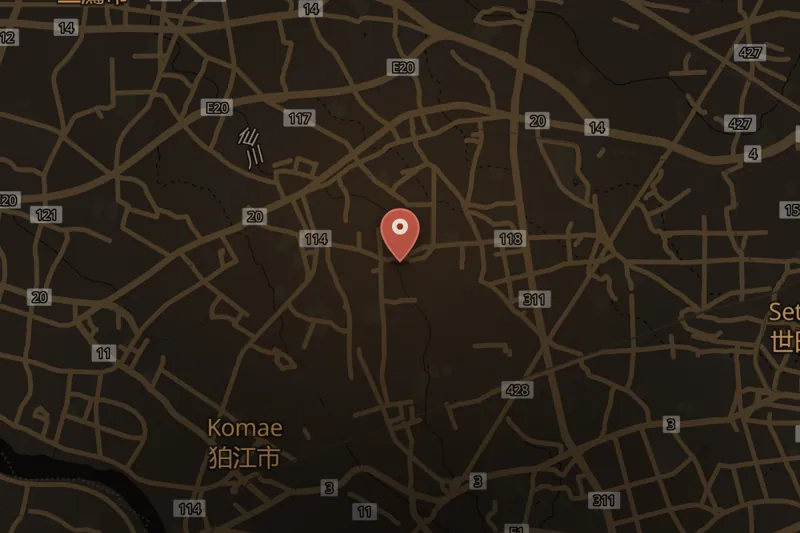
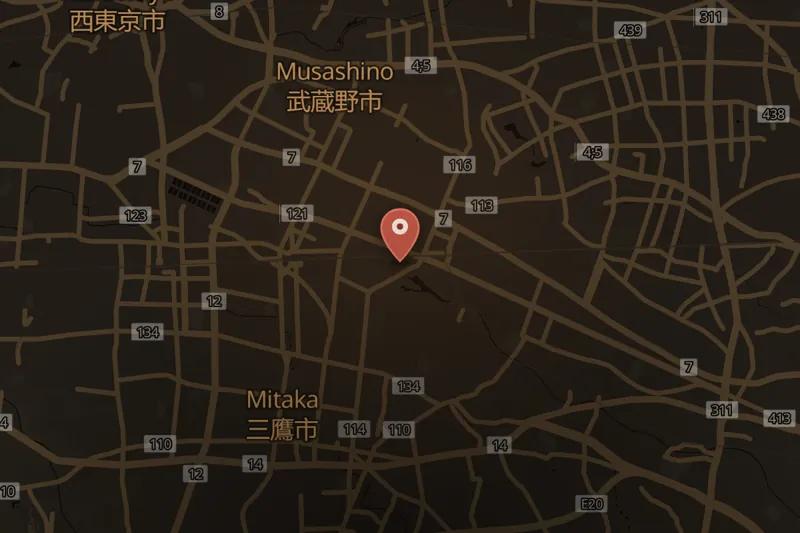
UNSOLVED2000sKamisoshigaya, Setagaya, Tokyo, Japan3 SOURCESUPDATED JUL 2026
Illustrative

Overview

The Miyazawa family — Mikio (44), Yasuko (41), their daughter Niina (8), and son Rei (6) — were killed during a home invasion at their house in the Kamisoshigaya neighborhood of Setagaya, Tokyo, on the night of December 30 into December 31, 2000. Their bodies were discovered at 10:40 a.m. on December 31, 2000, by Yasuko's mother, Haruko, after she became unable to reach her daughter and visited the house to find no answer at the door.

The Attack

Investigation by the Tokyo Metropolitan Police Department (TMPD) concluded the family was killed around 11:30 p.m. to 12:05 a.m. Mikio, Yasuko, and Niina died of stab wounds, while Rei was strangled with bare hands. Investigators believe the assailant entered through a second-floor bathroom window at the rear of the house, adjacent to Soshigaya Park, based on a fly screen found outside and footprints in the mud. Reports have suggested Mikio may have confronted the intruder after detecting a disturbance in Rei's room, though investigators note there is no solid evidence for this account. A sashimi knife reportedly broke during the attack, with the assailant then using a santoku knife taken from the house.

Unusually, the assailant remained inside the residence for two to ten hours afterward — using the family computer, consuming food and drink from the refrigerator, using the toilet without flushing, and treating apparent injuries with first-aid supplies found in the house. Drawers and papers were searched, and some cash was taken, though other money and numerous personal items belonging to the assailant (a knife, scarf, hip bag, shirt, jacket, hat, gloves, and handkerchiefs) were left behind.

Investigation and Suspect Profile

The TMPD's investigation, among the largest in Japanese history, has involved hundreds of thousands of investigators and tens of thousands of pieces of evidence. Physical evidence, including DNA, fingerprints, and analysis of feces and blood left at the scene, allowed investigators to develop a detailed profile: the assailant is believed to be male, of thin build, around 170 cm tall, right-handed, and likely injured during the attack. DNA analysis indicated the assailant may be of mixed heritage, with maternal ancestry potentially linked to southern Europe or the Mediterranean/Adriatic region, and paternal ancestry linked to East Asia, carrying the Y-chromosome haplogroup O-M122. None of the DNA or fingerprints matched existing criminal databases, and the TMPD has sought assistance from Interpol.

Legacy

The case drew significant public and media attention and became a rallying point for the eventual abolition, in 2010, of Japan's statute of limitations for crimes potentially punishable by death. Dozens of officers remained assigned to the case for years afterward, and a ¥20 million reward for information was in place as of December 2021. The Miyazawa house itself became a site of memorial visits and later public controversy over its planned demolition due to structural deterioration.

Key facts

Victims
Niina Miyazawa, Yasuko Miyazawa, Rei Miyazawa, Mikio Miyazawa
Date
2000s
Location
Kamisoshigaya, Setagaya, Tokyo, Japan
Case status
unsolved

Case timeline

  1. 2000-12-30

    The Miyazawa family is attacked in their home in Kamisoshigaya, Setagaya, Tokyo, in the late evening.

  2. 2000-12-31

    The bodies of Mikio, Yasuko, Niina, and Rei Miyazawa are discovered at 10:40 a.m. by Yasuko's mother, Haruko.

  3. 2001-04-09

    A Jizo statue is placed at the nearby Sengawa River, on the 100th day after the killings.

  4. 2010

    Japan abolishes the statute of limitations for crimes that could merit the death penalty, a change partly attributed to public attention on this case.

  5. 2013-12

    Investigators use 3D printing to create a model of the Miyazawa residence.

  6. 2015

    Reports indicate forty officers remain assigned full-time to the investigation; Yasuko's sister files a complaint over a TV Asahi documentary's profiling theory.

  7. 2018

    TMPD revises its estimate of the suspect's age at the time of the murders downward to 15-22 years old.

  8. 2019

    TMPD announces plans to demolish the Miyazawa house due to age and risk of collapse; the move is appealed by family and supporters.

  9. 2021-12-17

    TMPD reports new technology allowed visual identification of a person of interest linked to purchase of the murder weapon, but DNA testing rules the person out.

  10. 2023-11-23

    Ten high school students reportedly trespass on the site of the Miyazawa residence; TMPD says they will be prosecuted under the Minor Offenses Act.

  11. 2023-12-09

    TMPD distributes flyers near Seijogakuen-mae Station appealing for information on the case.

  12. 2024-05-27

    The Setagaya Ward Assembly passes a motion urging Tokyo to expand use of DNA evidence.

  13. 2025

    New reports revise the estimated age of the suspect at the time of the murders to at least in his 30s, and indicate further findings on maternal ancestry in the Caucasus region.

  14. 2026-05-14

    Two men are arrested following a burglary at the Miyazawa residence; both reportedly stated they were unaware of the house's history.

Best coverage

No approved coverage links are attached yet.

People

  • Niina Miyazawa

    VICTIM

    8-year-old daughter, killed in the family home

  • Yasuko Miyazawa

    VICTIM

    41-year-old mother, killed in the family home

  • Rei Miyazawa

    VICTIM

    6-year-old son, strangled in the family home

  • Mikio Miyazawa

    VICTIM

    44-year-old father, killed in the family home

Roles reflect public records and court outcomes at the time of writing — supporting citations are on file under Sources.

Places

Common questions

What happened to the victim?
On the night of December 30-31, 2000, four members of the Miyazawa family were killed in their home in the Kamisoshigaya neighborhood of Setagaya, Tokyo. Despite one of the largest investigations in Japanese history and extensive DNA evidence, the case remains unsolved.
Where did the murders happen?
Kamisoshigaya, Setagaya, Tokyo, Japan.
What is the current status of the case?
Status: unsolved. Last verified July 2026.

Sources

  1. Setagaya family murderwikipedia · Wikipedia · 2026-07-05
  2. Contemporaneous coverage — ABC News (Australia)news · ABC News (Australia) · 2026-07-05
  3. Contemporaneous coverage — japantoday.comnews · japantoday.com · 2026-07-05

Last verified JUL 2026