Skip to content
Casepin

Solved case · 1905

Murders of Thomas and Ann Farrow (Stratton Brothers case)

Also known as Farrow Murders · Deptford Murders

SOLVEDCONVICTED
Updated
Updated Jul 7, 2026
Geldkist en twee vingerafdrukken Finger-print found on cash-box (titel op object), RP-F-2001-7-462-16Geldkist en twee vingerafdrukken Finger-print found on cash-box (titel op object), RP-F-2001-7-462-16Credit: RijksmuseumCC0Source

The short answer

Murders of Thomas and Ann Farrow (Stratton Brothers case) in brief

Thomas and Ann Farrow were beaten to death during a robbery at their Deptford paint shop in March 1905. A greasy thumbprint left on the emptied cash box was matched to Alfred Stratton, making this one of the earliest murder convictions in Britain based on fingerprint evidence. Alfred and his brother Albert Stratton were convicted and hanged in May 1905.

Key facts

Year
1905
Place
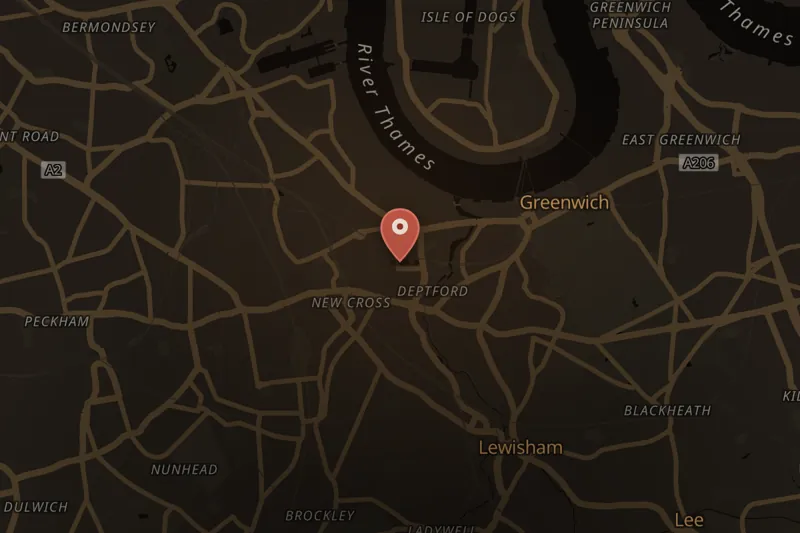
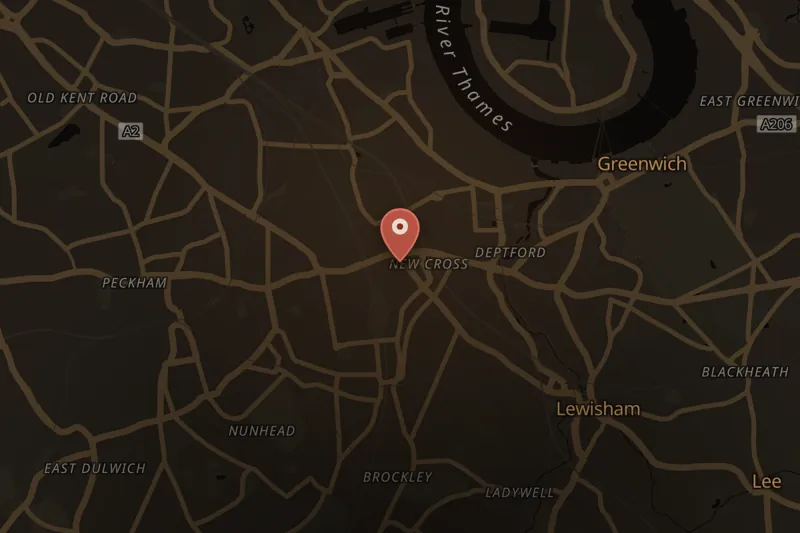
34 Deptford High Street, Deptford, London
Status
SOLVEDSolved
Victims
Ann Farrow and Thomas Farrow
Outcome
Convicted: Albert Ernest Stratton and Alfred Edward Stratton

The coverage index

Where to watch & listen

No one's coverage is attached to this file yet.

Know great coverage of this case?

A documentary, a podcast episode, a careful long-form video. Suggest it and an editor will review it before it appears here.

Suggest coverage for this case

The case file

What happened

On the morning of Monday 27 March 1905, William Jones arrived at Chapman's Oil and Colour Shop at 34 Deptford High Street to find it shuttered and unresponsive, with chairs overturned inside. He and a local resident, Louis Kidman, forced entry and discovered the shop's manager, 71-year-old Thomas Farrow, dead on the floor. His 65-year-old wife, Ann Farrow, was found unconscious in their upstairs bedroom; both had been beaten. Ann Farrow died in hospital on 31 March without regaining consciousness.

Police found no signs of forced entry and determined robbery was the motive after discovering an empty cash box that had held roughly £13 (about £1,400 in 2025 terms), representing the week's takings Thomas Farrow customarily banked on Mondays. Two black stocking-top masks left at the scene indicated two assailants had attacked the Farrows separately. Assistant Commissioner Melville MacNaghten personally examined the cash box and noticed a greasy smudge on the underside of its inner tray resembling a thumbprint. He had it taken to Scotland Yard's Fingerprint Bureau, established in 1901, where Detective Inspector Charles Stockley Collins determined the print belonged to neither the Farrows nor the responding officer, Sergeant Albert Atkinson, and did not match any of the roughly 80,000–90,000 records on file.

Witnesses reported seeing two men leaving the shop around 7:30 am on the morning of the murders. Two witnesses, boxer Henry John Littlefield and a local girl named Ellen Stanton, identified one man as Alfred Stratton. Police also identified his brother Albert as matching the description of the second man. Alfred's girlfriend, Annie Cromarty, told police he had disposed of a coat and changed shoes the day after the murders and had asked her for old stockings; a tip from her also led police to recover £4 buried near a local waterworks. Alfred Stratton was arrested on 2 April 1905 at the King of Prussia pub, and Albert was arrested the following day. Both were charged and fingerprinted at Greenwich Police Station. Collins compared their prints to the mark on the cash box and concluded it matched Alfred Stratton's right thumbprint.

At the Old Bailey trial beginning 5 May 1905, prosecutor Richard Muir called more than 40 witnesses. Collins testified as a fingerprint expert, demonstrating up to twelve points of agreement between the cash-box print and Alfred Stratton's thumbprint. The defence called Dr John George Garson, an anthropometry advocate, who disputed the fingerprint match, but Muir produced two letters in which Garson had offered to testify for either side depending on payment, prompting the trial judge, Mr Justice Channell, to describe him as an "absolutely untrustworthy" witness. A jail employee, William Gittings, also testified that Albert Stratton had made a statement implicating his brother while awaiting trial. After deliberating for a little over two hours, the jury found both brothers guilty of murder on 6 May 1905. They were sentenced to death and hanged at HM Prison Wandsworth on 23 May 1905.

7 dated entries · 1905

Timeline

  1. Thomas Farrow found dead and Ann Farrow found unconscious at their Deptford paint shop; robbery evident from empty cash box bearing a greasy thumbprint.

  2. Ann Farrow dies in hospital without regaining consciousness.

  3. Alfred Stratton arrested at the King of Prussia pub.

  4. Albert Stratton arrested on Deptford High Street; both brothers charged and fingerprinted at Greenwich Police Station.

  5. Trial of Alfred and Albert Stratton begins at the Old Bailey.

  6. Jury convicts both brothers of murder; sentenced to death.

  7. Alfred and Albert Stratton executed at HM Prison Wandsworth.

6 named in this file

People

Victims first. Every legal label is set from public records and court outcomes, not from the prose.

  • Ann Farrow

    VICTIM

    65-year-old wife of Thomas Farrow, beaten during the robbery and died in hospital on 31 March 1905 without regaining consciousness[3]

  • Thomas Farrow

    VICTIM

    71-year-old manager of Chapman's Oil and Colour Shop, beaten to death during the robbery of 27 March 1905[3]

  • Albert Ernest Stratton

    CONVICTED

    Convicted alongside his brother Alfred of the murders of Thomas and Ann Farrow; executed 23 May 1905[3]

  • Alfred Edward Stratton

    CONVICTED

    Convicted of the murders of Thomas and Ann Farrow based on fingerprint evidence; executed 23 May 1905[3]

  • Charles Stockley Collins

    LAW ENFORCEMENT

    Detective Inspector heading the Fingerprint Bureau who matched the cash-box print to Alfred Stratton and testified as an expert witness at trial[3]

  • Melville MacNaghten

    LAW ENFORCEMENT

    Assistant Commissioner (Crime) of the Metropolitan Police who identified the fingerprint on the cash box and directed its examination[3]

From the record

Quick answers

Who were convicted?
Albert Ernest Stratton: Convicted alongside his brother Alfred of the murders of Thomas and Ann Farrow; executed 23 May 1905 Alfred Edward Stratton: Convicted of the murders of Thomas and Ann Farrow based on fingerprint evidence; executed 23 May 1905

3 cited

Sources

Coverage is not a source: every fact in this file rests on the records below.

  • 2 Press
  • 1 Encyclopedic
  1. High Street murders

    Pressdeptford.orgAccessed Jul 7, 2026

  2. Stratton Brothers case

    EncyclopedicWikipediaAccessed Jul 7, 2026

Trust

Record history

First published
Jul 7, 2026
Last verified against sources
Jul 7, 2026
Corrections
None

Are you family of someone named in this file? Corrections and removal requests from victims’ families are prioritized.