Solved case
1996 Docklands bombing
On 9 February 1996, the Provisional IRA detonated a large truck bomb at South Quay in London's Docklands, killing two men and injuring more than 100 people, ending the IRA's 17-month ceasefire.

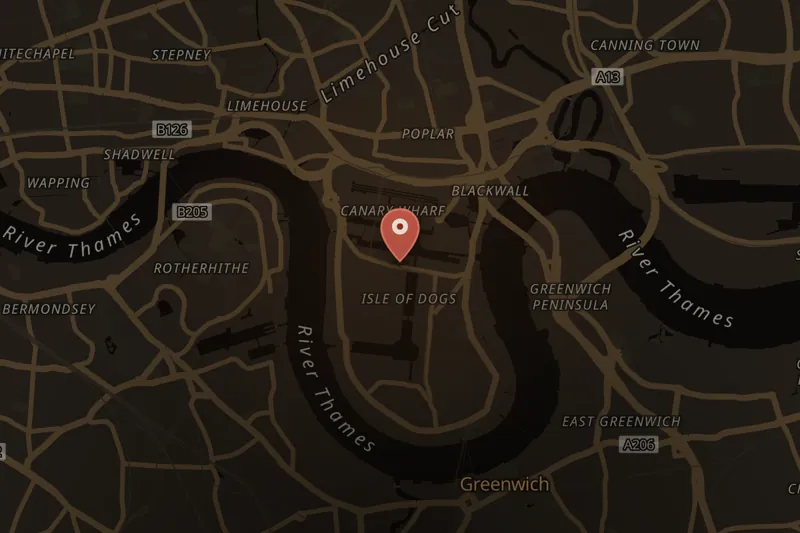
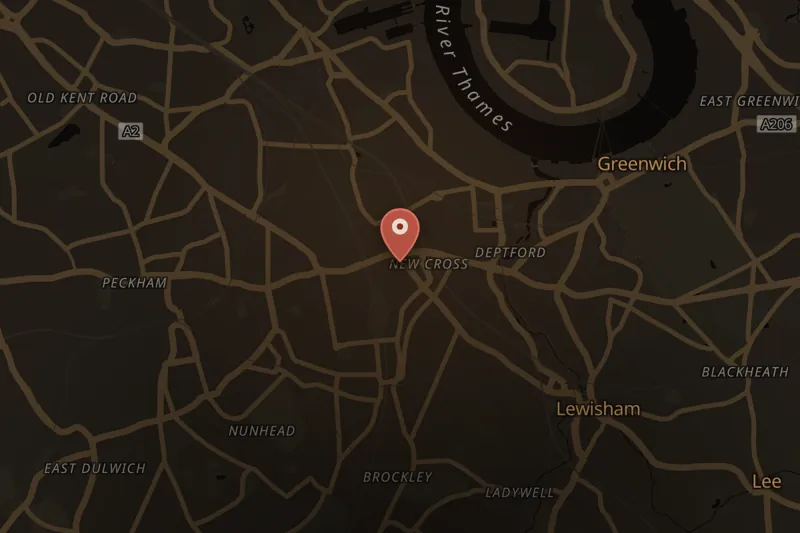
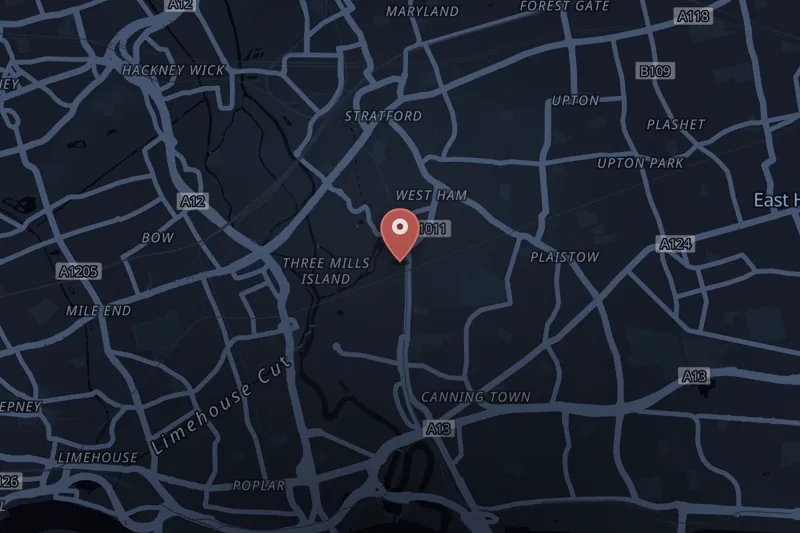
On the evening of 9 February 1996, the Provisional Irish Republican Army (IRA) detonated a large truck bomb at South Quay, near Canary Wharf in London's Docklands. The device, made from ammonium nitrate and sugar packed around Semtex-filled booster tubes, had been assembled in Northern Ireland, shipped to Scotland via the Stena Line Larne–Stranraer ferry, and driven to Barking in east London, where it was fitted with a timer and anti-handling device before being parked near South Quay Docklands Light Railway station.
The IRA issued a statement to Irish broadcaster RTÉ announcing an end to its ceasefire, followed by at least six coded telephone warnings about the bomb. Police began evacuating the area around 6 p.m., but confusion over the bomb's exact location meant some buildings were only partially cleared and some staff were told to return inside. Officers located the truck at 6:48 p.m. An officer warned two men working in a nearby newsagents to leave, but they stayed to close the shop. The bomb detonated at 7:01 p.m., killing shop owner Inam Bashir, 29, and employee John Jeffries, 31, and injuring more than 100 people, 39 of whom required hospital treatment. Some injuries were severe and permanent, including a man who suffered a coma and lasting brain damage and a woman blinded in one eye. The explosion caused an estimated £150 million in damage, destroying or badly damaging several nearby buildings, and left a crater 32 feet wide and 10 feet deep.
The bombing ended the IRA's ceasefire, declared in August 1994, which had broken down amid disputes over the British government's demand that the IRA disarm before Sinn Féin could join full peace talks. The IRA blamed the British government for the collapse of the process; the British, Irish, and American governments and major political parties condemned the attack. Metropolitan Police Commissioner Sir Paul Condon said it reflected "a failure of humanity" rather than a security failure. Weeks later, the British government dropped its precondition that the IRA disarm before talks, and all-party negotiations resumed in June 1996.
Investigators traced the truck's route using CCTV and eyewitness accounts, recovering thumbprints from locations linked to the bomb's journey. In April 1997, the SAS captured an IRA sniper team in South Armagh; one member, James McArdle, was found to match the thumbprints recovered during the Docklands investigation. McArdle was convicted at Woolwich Crown Court in June 1998 of conspiracy to cause explosions and sentenced to 25 years. Murder charges were dropped after a newspaper article was published during jury deliberations, and prosecutors chose not to retry them. McArdle was separately convicted of membership in the IRA sniper team and sentenced to 50 years on those charges. He was released in June 2000 under the terms of the Good Friday Agreement, with a royal prerogative of mercy from Queen Elizabeth II.

Key facts
- Victims
- Inam Bashir, John Jeffries
- Date
- 1996
- Location
- South Quay, Docklands, London, UK
- Case status
- solved
Case timeline
1994-08-31
IRA declares a ceasefire.
1996-01-23
International disarmament commission recommends Britain drop its demand for IRA disarmament before talks.
1996-02-07
The truck bomb is transported from Northern Ireland to Scotland via the Stena Line Larne–Stranraer ferry, then driven to Barking, east London.
1996-02-09
IRA truck bomb detonates at South Quay, Docklands, London, at 7:01 p.m., killing two men and injuring more than 100 people; IRA ends its ceasefire.
1996-02-28
John Major and John Bruton announce that all-party peace talks will resume in June; Major drops the demand for IRA disarmament before talks.
1997-04
SAS captures an IRA sniper team in South Armagh, including James McArdle, whose thumbprints match those found during the Docklands bombing investigation.
1998-06
James McArdle convicted at Woolwich Crown Court of conspiracy to cause explosions and sentenced to 25 years; later also sentenced to 50 years for sniper team membership.
2000-06
McArdle released under the terms of the Good Friday Agreement, with a royal prerogative of mercy from Queen Elizabeth II.
Best coverage
No coverage has been attached to this file yet.
People
Inam Bashir
VICTIMShop owner, aged 29, killed in the bombing.
John Jeffries
VICTIMShop employee, aged 31, killed in the bombing.
Sir Paul Condon
LAW ENFORCEMENTCommissioner of the Metropolitan Police at the time of the bombing.
James McArdle
CONVICTEDIRA member convicted in June 1998 of conspiracy to cause explosions (25 years) for his role in transporting and driving the Docklands truck bomb; separately convicted of membership in an IRA sniper team (50 years); murder charges related to the bombing were dropped and not retried; released in June 2000 under the Good Friday Agreement.
John Grieve
LAW ENFORCEMENTHead of the Metropolitan Police's anti-terrorist unit at the time of the bombing.
Roles reflect public records and court outcomes at the time of writing — supporting citations are on file under Sources.
Archival records

archival location
South Quay DLR station MMB 05 02
Credit: mattbuck (category) · CC BY-SA 3.0 · Source

archival location
Docklands IRA vehicle bombing damage (DoS Publication 10321)
Credit: Dept. of State · Public domain · Source

archival location
Docklands Light Railway B86 car no. 04 - South Quay Station, The DLR. Sept 1989
Credit: sludgegulper · CC BY-SA 2.0 · Source

archival location
Gallions Reach station geograph-3555558-by-Ben-Brooksbank
Credit: Ben Brooksbank · CC BY-SA 2.0 · Source

archival location
1996 Docklands bombing plaque
Credit: Cograng · CC BY-SA 4.0 · Source
Places
Common questions
- What happened to the victim?
- On 9 February 1996, the Provisional IRA detonated a large truck bomb at South Quay in London's Docklands, killing two men and injuring more than 100 people, ending the IRA's 17-month ceasefire.
- Where did the bombing happen?
- South Quay, Docklands, London, UK.
- Who was convicted?
- James McArdle (IRA member convicted in June 1998 of conspiracy to cause explosions (25 years) for his role in transporting and driving the Docklands truck bomb; separately convicted of membership in an IRA sniper team (50 years); murder charges related to the bombing were dropped and not retried; released in June 2000 under the Good Friday Agreement.).
- What is the current status of the case?
- Status: solved.
Sources
- ENCYCLOPEDIC1996 Docklands bombingWikipedia · 2026-07-07
- PRESS80 minutes: the timetable of terrorThe Independent · 2026-07-07
- PRESS1996: Docklands bomb ends IRA ceasefireBBC News · 2026-07-07
Record history
- First published
- JUL 07, 2026
When a file you follow changes — a new development, a correction, fresh coverage — the Dispatch is how you hear about it.
The Casepin Dispatch
A calm weekly briefing from the archive — one case worth understanding, meaningful updates to files you follow, and the best new coverage. You’ll also get the one-time note when the apps land. No gore, no rumor, no drip.