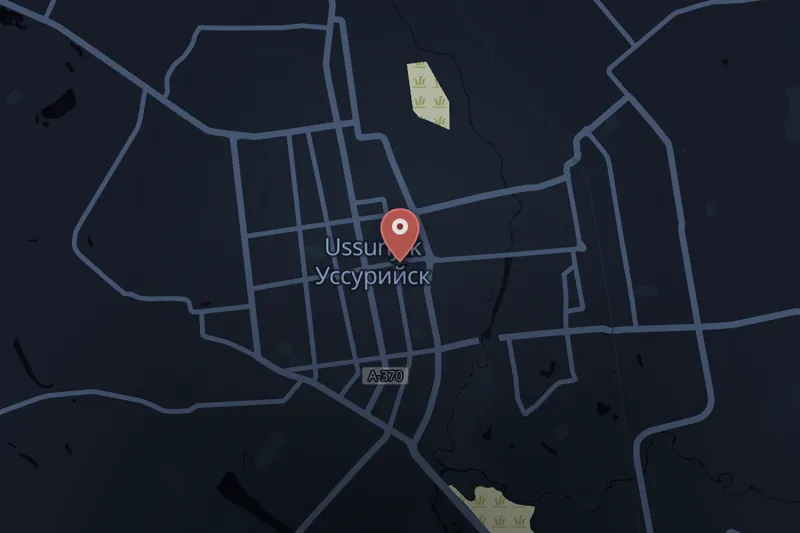
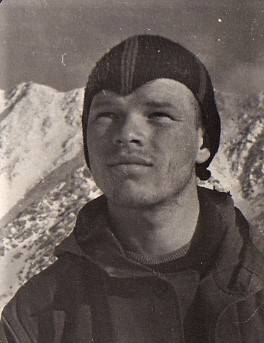
On November 23, 2015, 16-year-old Renata Igorevna Kambolina, a student in Ussuriysk, Russia, died by suicide at a railway crossing near the Sakhzavod station on the Trans-Siberian Railway. Approximately 24 hours earlier, Kambolina had posted selfies on VKontakte, where she used the name Rina Palenkova, captioned "ня.пока." ("nya.bye."). The post did not draw attention until after her death, when it was discovered and widely circulated online.
Kambolina had attended school No. 28 in Ussuriysk and later enrolled at the Far Eastern Technical College to study computer networks. She also played percussion at a local "School of Rock Music," where she and friends used the name Needless, after a manga and anime series.
Following her death, Kambolina's final post was widely circulated online, and her story was later linked to and reportedly exploited by the creators of "death groups" associated with the so-called Blue Whale Challenge, a purported multi-stage online "game" culminating in self-harm and suicide, first publicized in an April 2016 Novaya Gazeta article by journalist Galina Mursalieva. That article's causal claims were later criticized, and no suicides were confirmed to have resulted directly from the described groups. Although it was alleged Kambolina herself had been a participant or victim of the Blue Whale Challenge, investigations later confirmed she had not been a member; the group's creators were said to have used her story without her involvement.
The Investigative Committee of Russia opened a criminal case into Kambolina's death. Her mother was charged under Article 110 of the Russian Criminal Code, which concerns "driving to suicide." The case was transferred from Vladivostok to Moscow for additional investigation in May 2016 and was closed in late 2016, with investigators concluding Kambolina died by voluntary suicide and identifying no perpetrators regarding either her death or the leak of scene photographs online. Kambolina's mother separately pursued a civil claim against the college Kambolina attended, alleging inadequate monitoring of her daughter's absences and mental state; the college disputed the claim, and a court also rejected allegations of fault against railway personnel.
In the years following, her case was repeatedly cited in international concern over online content that may encourage self-harm among young people. In June 2017, Russia passed legislation criminalizing the creation of online "death groups" that incite suicide, with penalties of up to six years' imprisonment.