
Unsolved case
Swan Valley Massacre of 1908
In October 1908, a Montana state game warden and his deputy killed four members of an eight-person Pend d'Oreille hunting party in the Swan Valley after the warden attempted to enforce state hunting permit rules against tribal members exercising treaty-protected off-reservation hunting rights.

Background
The Bitterroot Salish (Flathead) and Pend d'Oreille (Kalispel) tribes of the Northern Rocky Mountain (Plateau) region traditionally occupied territory around Flathead Lake in northwestern Montana, relying on hunting and gathering. Under the 1855 Hellgate Treaty, negotiated between Washington Territory Governor Isaac Stevens and the confederated Salish, Pend d'Oreille, and Ksanka Band of Kootenai, the tribes retained rights to hunt, gather, and fish in their aboriginal territory, including land outside the reservation boundaries later established. After Montana achieved statehood in 1889, the state created its own hunting and fishing regulations enforced by game wardens. While only the federal government held jurisdiction on reservation land, Montana officials believed they had authority to regulate hunting by Native Americans elsewhere, despite the treaty's provisions.
The Confrontation
In September 1908, a party of eight Pend d'Oreille — Atwen Scwi, his wife, son, and daughter; Little Camille Paul and his pregnant wife Clarice; and elders Mary and Martin Yellow Mountain — entered the Swan Valley on the eastern side of the Mission Mountains to hunt. Although not required under the Hellgate Treaty, the group had purchased state hunting permits before leaving the reservation to avoid conflict, and Yellow Mountain had obtained clearance for the trip from the Indian agent in Arlee.
In October, after the party had camped for several weeks, state game warden Charles Peyton and a few deputized valley residents entered the camp three times, demanding hunting licenses and harassing the group. Peyton later returned with a drawn gun and ordered the band to leave by the next morning. The group began packing to depart but was delayed after two horses wandered off.
The following day, Peyton arrived with his 32-year-old deputy, Herman Rudolph. Peyton shot Camille Paul and Atwen, who were unable to reach their weapons, and then shot Martin Yellow Mountain when he attempted to grab his gun. As the women fled, Peyton pursued them. Atwen's son, Peh-lah-so-weh, found a gun and shot Peyton in the stomach; Rudolph simultaneously shot and killed Peh-lah-so-weh. As the surviving women tended to the dead and dying, Peyton began to rise again. Clarice, Camille Paul's pregnant wife, took her husband's rifle from beneath his body and shot Peyton twice, killing him.
Aftermath
Clarice, six months pregnant, rode to a nearby Pend d'Oreille camp led by Many Names (Louie Mollman) for help. When Many Names' party returned the next day to recover the bodies, they encountered a non-Indian posse but declined to engage. Herman Rudolph was scheduled to appear before the county coroner but left the area and was never prosecuted. The four Pend d'Oreille dead were reinterred at St. Ignatius Catholic cemetery. Clarice later gave birth to a son, John Peter Paul, who grew up recounting the story of the hunting party. Following the killings, the tribe reduced off-reservation hunting expeditions out of fear of similar violence.
Key facts
- Victims
- Martin Yellow Mountain, Atwen Scwi, Little Camille Paul, Peh-lah-so-weh
- Date
- 1908
- Location
- Swan Valley, Montana
- Case status
- unsolved
Case timeline
No timeline entries are attached yet.
Best coverage
No coverage has been attached to this file yet.
People
Martin Yellow Mountain
VICTIMElder of the hunting party, shot and killed by Charles Peyton when he attempted to reach his weapon.
Herman Rudolph
LAW ENFORCEMENT32-year-old deputy game warden who fatally shot Peh-lah-so-weh; scheduled for a county coroner's appearance but left the area and was never prosecuted.
Atwen Scwi
VICTIMLeader of the Pend d'Oreille hunting party, shot and killed by game warden Charles Peyton.
Little Camille Paul
VICTIMLeader of the Pend d'Oreille hunting party, shot and killed by game warden Charles Peyton.
Peh-lah-so-weh
VICTIMSon of Atwen Scwi; shot Peyton before being fatally shot by deputy Herman Rudolph.
Charles Peyton
LAW ENFORCEMENTState game warden who confronted the hunting party and shot three of its members before being fatally shot himself; not charged as he died at the scene.
Roles reflect public records and court outcomes at the time of writing — supporting citations are on file under Sources.
Places
Common questions
- What happened to the victim?
- In October 1908, a Montana state game warden and his deputy killed four members of an eight-person Pend d'Oreille hunting party in the Swan Valley after the warden attempted to enforce state hunting permit rules against tribal members exercising treaty-protected off-reservation hunting rights.
- Where did the massacre happen?
- Swan Valley, Montana.
- What is the current status of the case?
- Status: unsolved.
Related cases
View all cases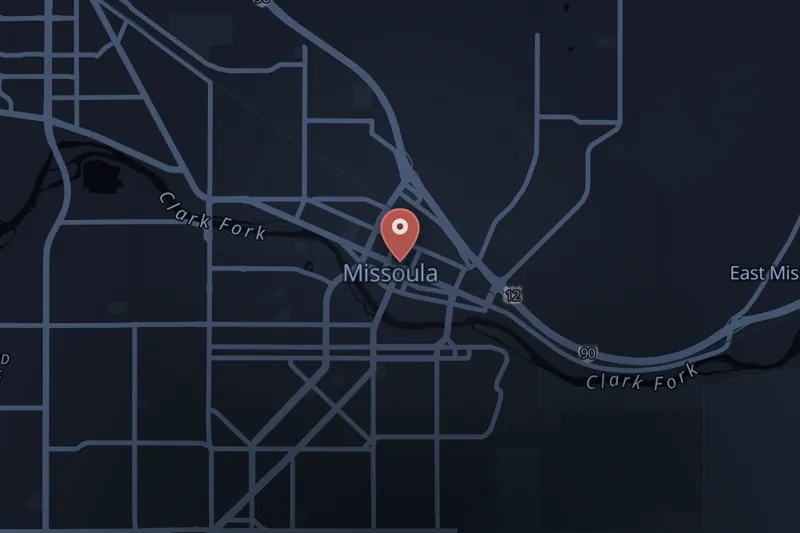
Killing of Diren Dede
Missoula, Montana, United States
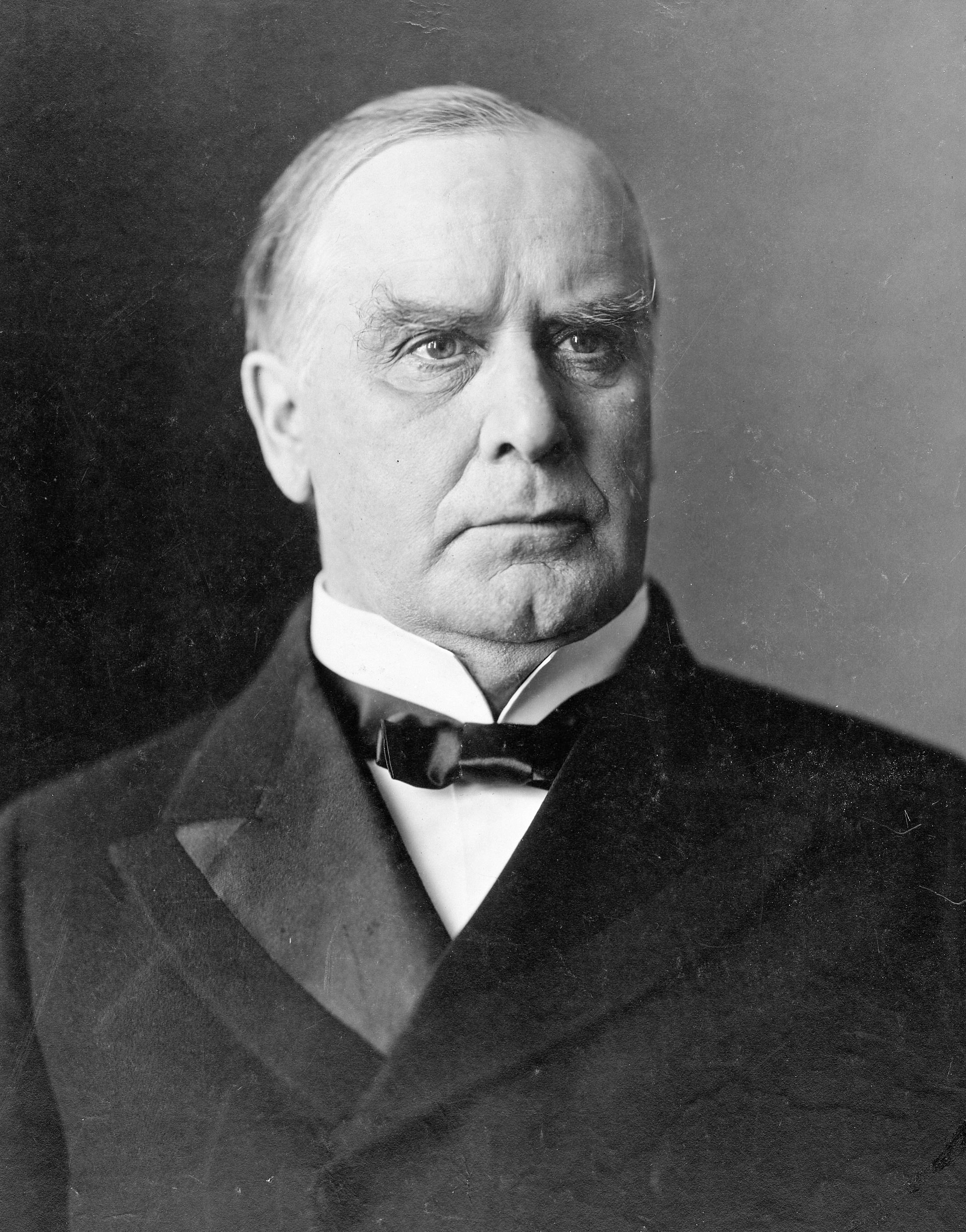
Assassination of William McKinley
Temple of Music, Pan-American Exposition, Buffalo, New York

Earll family murders
Near Welsh, Louisiana

Lynching of George Ward
North Fairbanks Park area, near the Wabash River drawbridge, Terre Haute, Indiana

2022 University of Idaho Murders
Moscow, Idaho
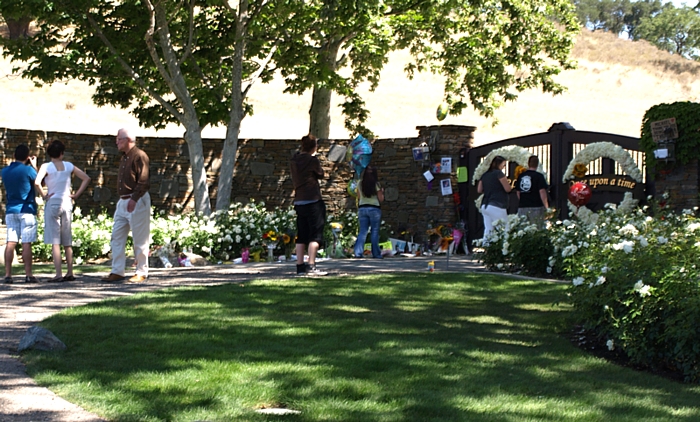
Death of Michael Jackson
Holmby Hills, Los Angeles, California
Sources
- PRESSSwan Valley Massacre 100th anniversary commemoratedChar-Koosta News · 2026-07-11
- ENCYCLOPEDICSwan Valley Massacre of 1908Wikipedia · 2026-07-10
When a file you follow changes — a new development, a correction, fresh coverage — the Dispatch is how you hear about it.
The Casepin Dispatch
A calm weekly briefing from the archive — one case worth understanding, meaningful updates to files you follow, and the best new coverage. You’ll also get the one-time note when the apps land. No gore, no rumor, no drip.