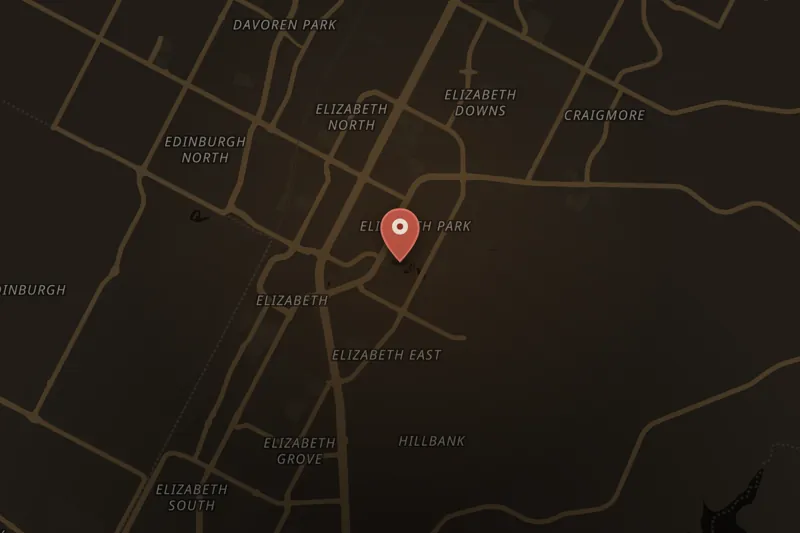
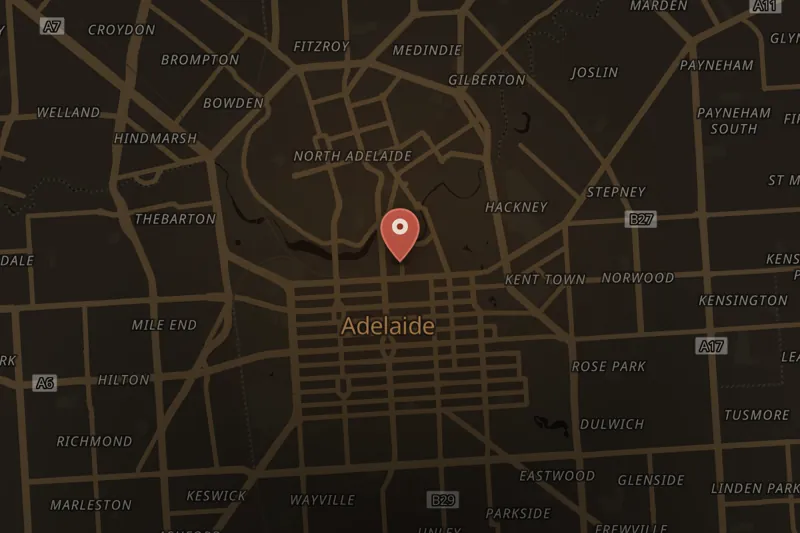
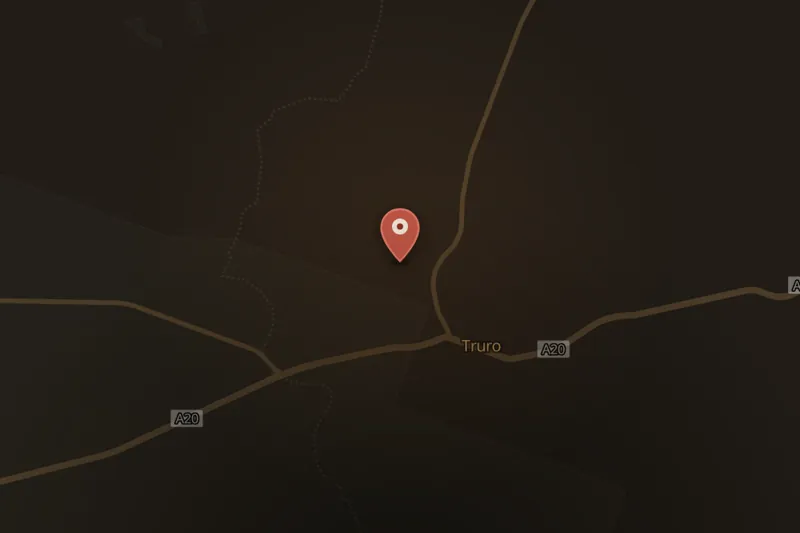
Between December 1976 and February 1977, seven young women and girls disappeared from in and around Adelaide, South Australia. Their ages ranged from 15 to 26. Over roughly seven weeks, each was abducted, sexually assaulted, and killed; most were strangled, and their bodies were concealed in bushland and other remote areas outside the city. Five were later recovered near the rural town of Truro, about 80 kilometres northeast of Adelaide, which gave the case its name; the remaining two were found at Wingfield and Port Gawler.
The victims were Veronica Knight, aged 18; Tania Kenny, 15; Juliet Mykyta, 16; Sylvia Pittmann, 16; Vickie Howell, 26; Connie Iordanides, 16; and Deborah Lamb, 20. Several had been shopping, waiting for transport, or hitchhiking when they were offered a lift and driven away. At the time, police did not connect the disappearances, and some were initially treated as possible runaways.
The killings were carried out by two men, Christopher Worrell and James Miller, who had met in prison and afterwards lived and worked together. It was later accepted that Worrell physically committed the murders, luring and assaulting the victims, while Miller drove and helped conceal the bodies. The pattern ended abruptly on 19 February 1977, when Worrell died in a car crash near Mount Gambier. Another passenger, Deborah Skuse, was also killed; Miller survived with injuries. Because Worrell died before any charges could be laid, he was never arrested, tried, or convicted.
The scale of the crimes became clear only later. In April 1978, human remains were found by chance near Truro, and further discoveries in 1979 led investigators to conclude that a series of connected murders had occurred. Attention turned to Miller, who subsequently directed police to additional burial sites.
Miller was arrested in 1979 and stood trial the following year. On 12 March 1980 he was found guilty of six of the seven murders and acquitted of the murder of Veronica Knight. He was convicted on the principle of joint criminal enterprise—for taking part in the events and disposing of the bodies—even though it was accepted that Worrell had carried out the killings. Miller received six consecutive terms of life imprisonment and consistently maintained that Worrell alone had killed the women and that his own role was limited to helping bury them.
A non-parole period of 35 years was set in 2000, which would have allowed Miller to apply for parole in 2014. He died in custody in 2008 without being released. The case remains one of the most serious in South Australian criminal history, both for the number of victims and for the legal questions it raised about shared responsibility for murder. It is remembered above all for the seven young women and girls whose lives were taken.

 UNSOLVEDListen