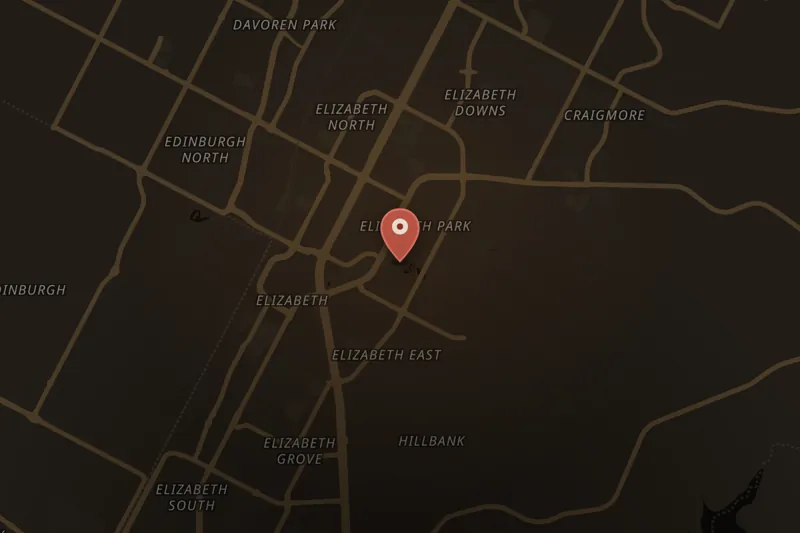
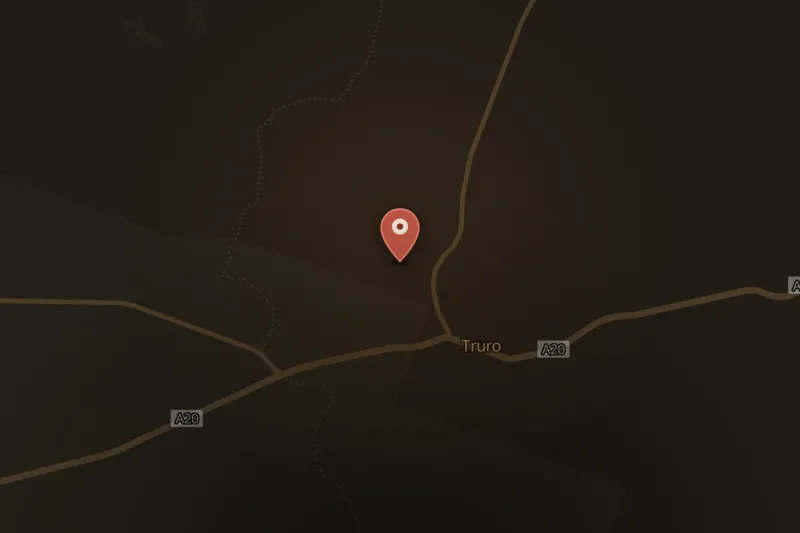
Johanne Elizabeth "Bertha" Schippan, known as Bertha, was the youngest child of a large Wendish family living in Towitta, a small settlement in South Australia about 6 km west of Sedan. She was murdered in her family's home on the night of 1 January 1902, at the age of 13. The case has never been solved despite an inquest, a criminal trial, and decades of subsequent public and media interest.
On the night of the killing, Bertha's parents, Matthes and Johanne Schippan, were away visiting relatives in Eden Valley. Three other siblings were working away from home, and the two youngest brothers had chosen to sleep in a nearby barn, leaving only Bertha and her 24-year-old sister Mary Auguste Schippan in the house. Mary later said she woke around 10 pm to find a bearded man lying across her chest. She said she freed herself and fled the house to raise the alarm with her brothers, leaving Bertha inside. Her brothers alerted a local constable, but Bertha was not found until the next day; she had been stabbed and slashed roughly 40 times.
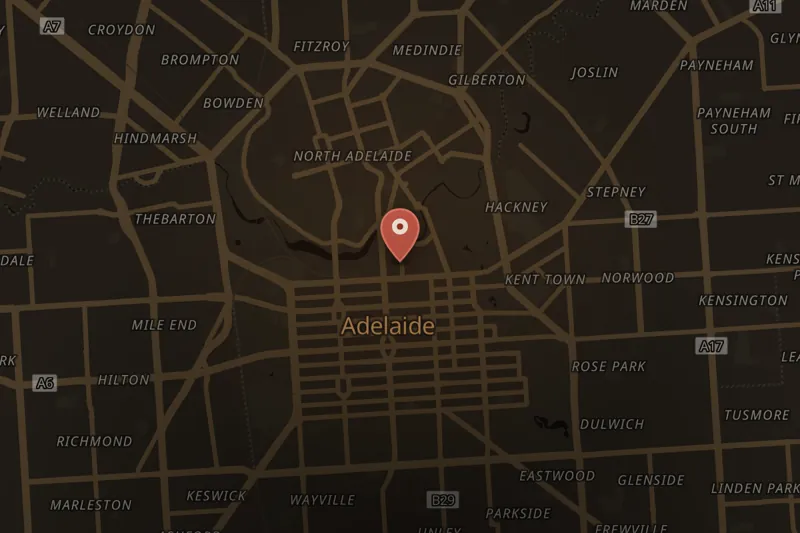
An inquest was held soon after, led by the local coroner, Dr Ramsey Smith, and suspicion quickly centred on Mary. She was committed to stand trial in Adelaide. The trial opened in March 1902 before Chief Justice Sir Samuel Way, with Mary represented by Sir Josiah Symon K.C. The proceedings drew extensive newspaper coverage. Mary, who had been held on remand in Adelaide Gaol, was ultimately acquitted because the evidence against her was only circumstantial.
The acquittal and the unresolved nature of the case fuelled press speculation about other possible suspects, including Mary's father, who reportedly had a history of violence, and her boyfriend, 21-year-old Gustav Nitschke, both of whom were said to have had a possible motive to stop Bertha from revealing damaging information. However, Nitschke had an alibi placing him in Adelaide at the time, and investigators considered it unlikely that Matthes Schippan could have travelled to the crime scene and back in the dark within the available time. No one else was ever charged, and the killing remains officially unsolved.
The case has continued to attract attention in the decades since. In 1984, the ABC produced a television film about the case, The Schippan Mystery, directed by Di Drew, as part of a series of telemovies called Verdict dramatising real Australian cases. Several books and documentaries have since examined the murder and the trial, and the case continues to be revisited in Australian media as one of the country's notable unsolved historical murders.


 SOLVEDListen