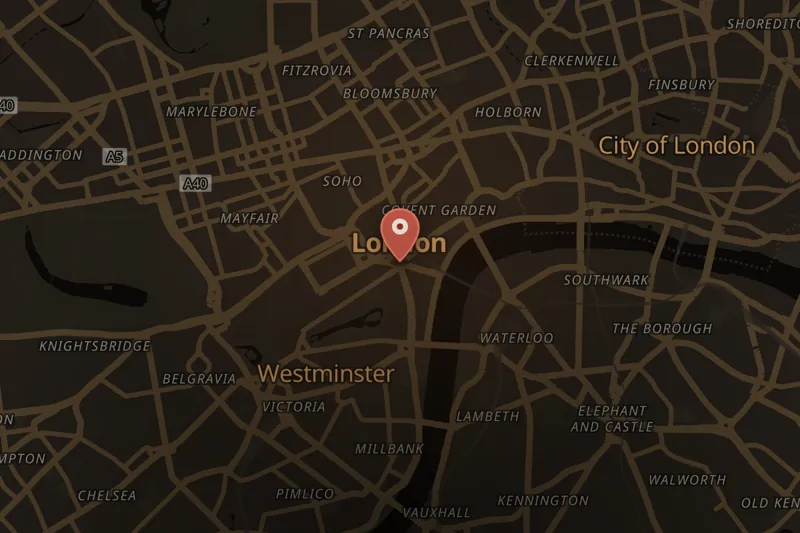
The Whitehall Mystery refers to an unsolved 1888 murder in London in which the dismembered remains of a woman were discovered at three separate locations in the centre of the city. The case is considered one of the so-called Thames Torso Murders, a series of killings during the same period involving dismembered bodies found near or in the River Thames.
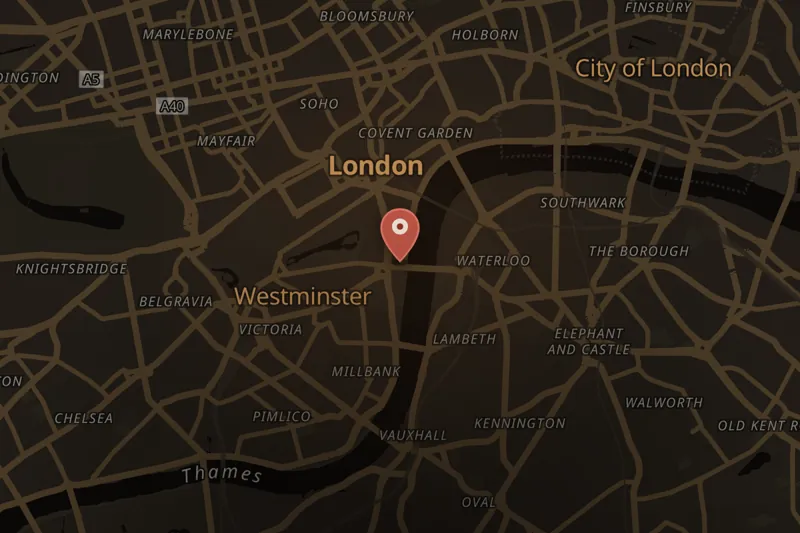
On 11 September 1888, a right arm and shoulder were found on the muddy shore of the River Thames in Pimlico. The Times newspaper initially speculated that the limb might have been placed in the water as a prank by medical students. On 2 October 1888, during construction of the Metropolitan Police's new headquarters at New Scotland Yard on the Victoria Embankment near Whitehall, a worker discovered a parcel containing a human torso inside a three-month-old vault in the cellar. The remains had been wrapped in cloth, possibly a black petticoat, and tied with string. Workman Richard Lawrence had last been inside the unlocked vault on 29 September, indicating the remains were placed there sometime after that date. Police surgeon Thomas Bond matched the torso to the previously discovered arm and shoulder. On 17 October 1888, reporter Jasper Waring, using a Spitsbergen dog with police permission and the help of a labourer, located a left leg cut above the knee buried near the construction site. The victim's head and remaining limbs were never recovered, and her identity was never established.
An inquest was opened by Westminster coroner John Troutbeck on 8 October 1888. It determined the woman had been "of large stature and well-nourished," approximately 24 years old and 5 feet 8 inches tall. Her uterus had been removed from the body. The right arm had been severed by someone with anatomical knowledge, had been tourniqueted to stem blood flow, and showed no muscle contraction, indicating it had been removed after death. The victim had been wearing a broché satin dress manufactured in Bradford, England, from a pattern estimated to be about three years old. Newspaper fragments found with the remains were identified as from the Echo of 24 August and an issue of the Chronicle of unknown date. The cause of death could not be determined, though the coroner ruled out suffocation and drowning and could not exclude haemorrhage as a cause. Other findings included severe pleurisy in the left lung, no indication the victim had borne children, a healthy heart, and normal right lung, liver, stomach, kidneys, and spleen. She had been dead an estimated six weeks to two months, had fair skin and dark hair, and her hands suggested she had not been accustomed to manual labour.
Newspapers at the time suggested a possible connection to the contemporaneous Jack the Ripper murders in Whitechapel, but the Metropolitan Police ruled out any link between the cases. The case remains unsolved.


 Credit: JonathanGarcia456CC BY-SA 4.0SourceSOLVEDListen