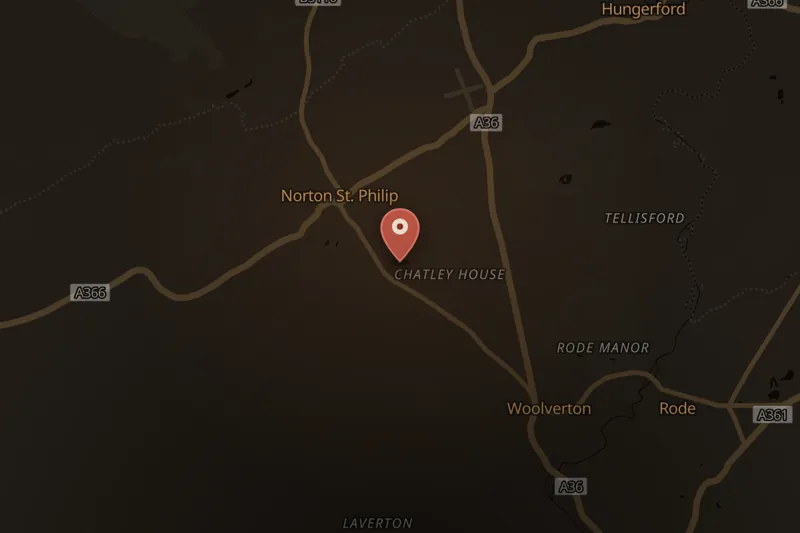
On the night of 29–30 June 1860, Francis Saville Kent, who was almost four years old, disappeared from his father's residence, Road Hill House, in the village of Rode (then spelled "Road"), Wiltshire. His body was later discovered in the vault of a privy-house on the property. He was still dressed in his nightshirt and wrapped in a blanket; he had knife wounds to his chest and hands, and his throat had been cut so deeply that he was almost decapitated.
The child's nursemaid, Elizabeth Gough, was initially arrested in connection with the killing. She was released after the suspicions of Detective Inspector Jack Whicher of Scotland Yard turned to the boy's 16-year-old half-sister, Constance Kent. Constance was arrested on 16 July 1860 but was released without trial, reportedly owing to public opinion against the accusations of a working-class detective toward a young woman of higher social standing. Following the collapse of the investigation, the Kent family relocated to Wrexham and Constance was sent to a finishing school in Dinan, France.
Five years later, in 1865, Constance Kent was prosecuted for the murder. She had made a confession of guilt to an Anglo-Catholic clergyman, Arthur Wagner, expressing her intention to give herself up to justice; Wagner assisted her in doing so and testified to this statement before magistrates, though he declined to disclose further details on the grounds of sacramental confession. Constance did not contest the charge. According to her confession, she waited until the household was asleep, opened a window and shutters in the drawing room, took Francis from his room wrapped in a blanket taken from his cot, left the house, and killed him in the privy-house with a razor she had taken from her father, having hidden matches there beforehand to provide light. The stated account suggested an act of revenge rather than a spontaneous act, and it was suggested Constance had at times been mentally unbalanced.
There was considerable contemporary speculation that Constance's confession might have been false, including theories implicating her father or her brother, William Saville-Kent, who was investigated but never charged. Constance never recanted her confession, even after the deaths of her father and brother, and she maintained she bore no hatred toward her half-brother, without disclosing a motive.
At Devizes Assize Court, Constance Kent pleaded guilty. She was sentenced to death, but the sentence was commuted to life imprisonment due to her youth and her confession. She served twenty years in prison, including time at Millbank Prison, and was released in 1885. She later emigrated to Australia, changed her name, trained as a nurse, and worked in nursing roles including as matron of a nurses' home in East Maitland, New South Wales, until her retirement in 1932. She died on 10 April 1944 in Strathfield, Sydney, at the age of 100.

 Credit: Betty LongbottomCC BY-SA 2.0SourceUNSOLVEDListen