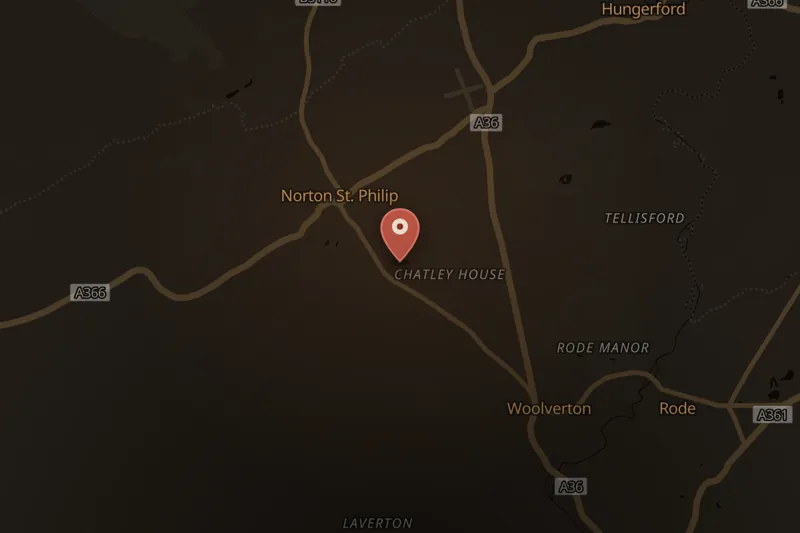
The Yngsjö murder is one of Sweden's most widely remembered nineteenth-century criminal cases. It centres on the death of Hanna Johansdotter, a young farmer's wife, at a farmhouse in the village of Yngsjö in the Skåne region of southern Sweden on 28 March 1889. Hanna, born in 1867, had married Per Nilsson in 1887 and moved into the Nilsson family farmhouse, where she lived alongside her husband and his mother, Anna Månsdotter. By the accounts preserved in the record, the relationship between Hanna and her mother-in-law was strained, and Hanna had written to her parents expressing her unhappiness and her wish to leave the household.
On 28 March 1889, a neighbour came to the farmhouse asking after Hanna. Per Nilsson said she had gone out, but the neighbour saw Hanna lying dead at the foot of the open cellar steps. Those present moved the body to a ground-floor bedroom and fetched a priest, and they noted that Hanna was not fully dressed and had bruising on her throat. An autopsy concluded that she had died by strangulation.
Anna Månsdotter and Per Nilsson were arrested and questioned. Per eventually confessed, and investigators regarded Anna as the likely instigator. Letters supplied by Hanna's father were said to point to tension between Hanna and both her husband and mother-in-law. Anna later admitted to the crime, but her account and Per's were contradictory, each appearing to take sole blame. Both were charged with murder, and the case drew further attention because the two were also charged in connection with an incestuous relationship between mother and son.
Both were initially sentenced to death for the murder. Per Nilsson's sentence was converted to life imprisonment, described as hard labour for the rest of his life; he was released in 1913 and died in 1918. Anna Månsdotter was held at Kristianstad Prison and executed in the prison courtyard on 7 August 1890, beheaded by the executioner Albert Gustaf Dahlman. She was 48 years old. Her execution was the first of a woman in Sweden in about three decades and remained the last execution of a woman in the country.
The case has stayed prominent in Swedish popular memory and has been retold in books and films, including a 1966 feature film and a 1986 television film based on the events.


 SOLVEDListen