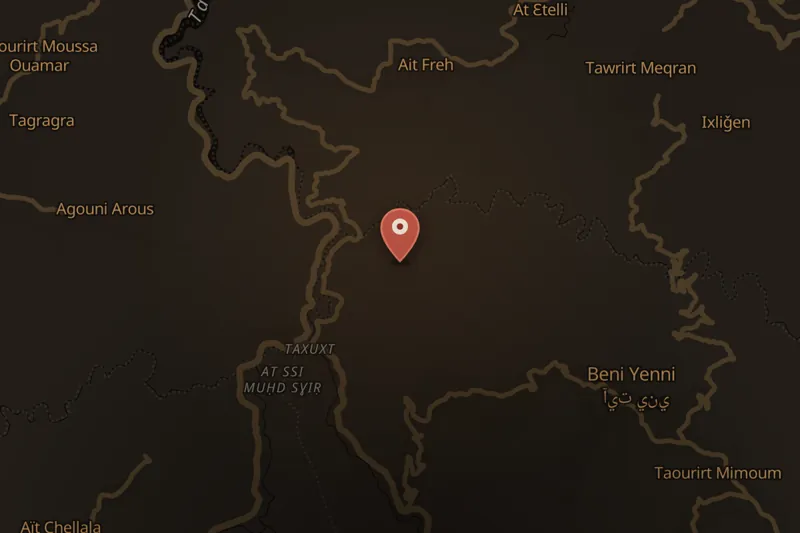
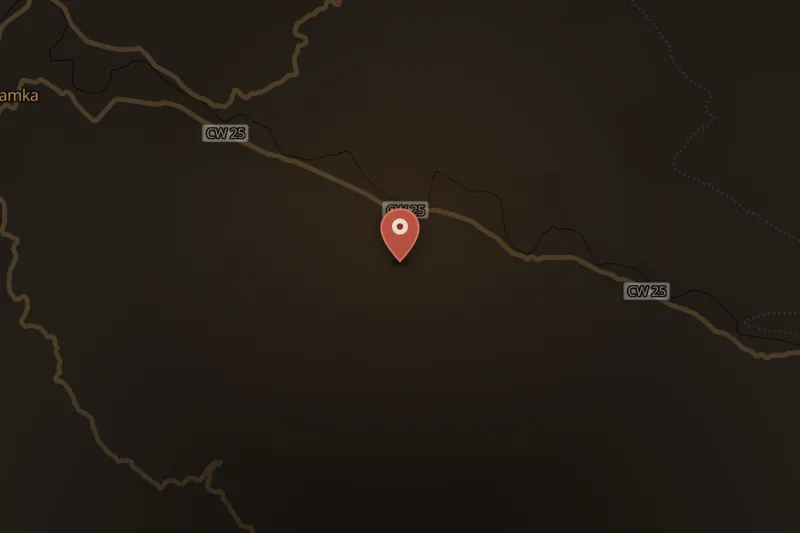
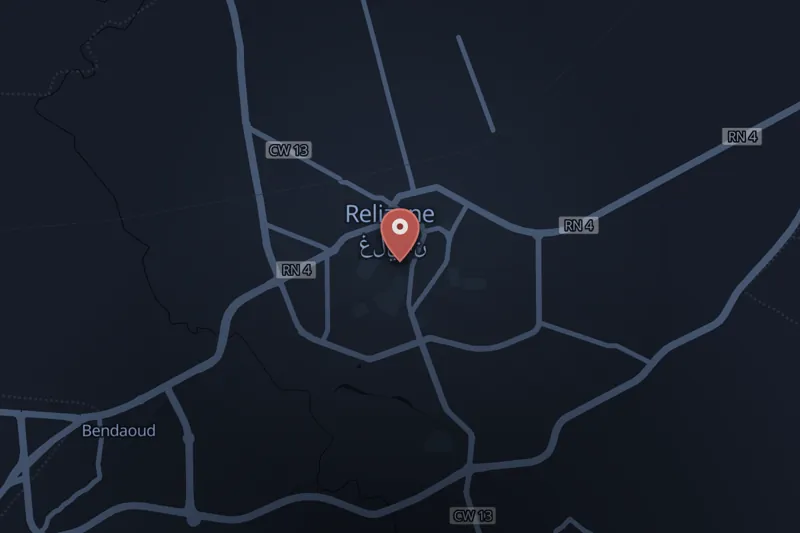
On 4 January 1998, a series of massacres took place in three remote villages surrounding Oued Rhiou in Relizane Province, Algeria, during the broader Algerian conflict of the 1990s. These killings occurred in the villages of Had Chekala, Remka, and Ain Tarik.
At Had Chekala, at least 150 people were reported killed, with no residents surviving the attack. More than 30 guerrillas reportedly set fire to the village afterward. At Remka, initial reports at the time claimed 117 people had been killed. However, in 2006 Algerian Prime Minister Ahmed Ouyahia stated that the true death toll at Remka had in fact been 1,000. At Ain Tarik, the number of people killed remains unknown.
The massacres were attributed to the GIA (Armed Islamic Group), an armed Islamist group active during the Algerian conflict. These killings were preceded a few days earlier by the Wilaya of Relizane massacres of 30 December 1997, indicating a pattern of violence in the region during this period.
The massacres resulted in a mass population flight from the affected area as residents fled the violence. The scale and brutality of the killings led to international condemnation and calls from the international community for an independent investigation into the events. However, the Algerian government rejected calls for such an inquiry, attributing responsibility for the killings to Islamist guerrillas.
This case forms part of a broader pattern of massacres documented during the Algerian civil conflict of the 1990s, a period marked by extensive violence between government forces and armed Islamist groups, with civilian populations in rural areas bearing much of the human cost. The events at Relizane in early January 1998 remain documented as among the deadlier incidents attributed to armed groups during this conflict, though full accounting of casualties, particularly the discrepancy between initial reports and later official statements regarding the Remka death toll, illustrates the difficulty in establishing definitive casualty figures for events of this period.
No independent international investigation into these massacres was conducted, as the Algerian government declined to permit such an inquiry, a decision that drew criticism from the international community at the time and has remained a point of concern for those seeking full accountability for the events of the Algerian conflict.

 UNSOLVEDListen