In May–August 2001, a series of massacres of Pahari-Hindus occurred in the then-Doda district (now Kishtwar district) of Jammu and Kashmir, India. The killings took place in villages and at temporary summer shepherd camps known as dhoks in remote meadows, and resulted in a total of 43 Hindu deaths. The attacks are attributed to members of Lashkar-e-Toiba, a Pakistan-based terrorist organisation active in the long-running armed insurgency in Jammu and Kashmir, which began in 1989. One of the massacres is believed to have been instigated by local Muslim shepherd tenants amid a dispute over grazing pastures.
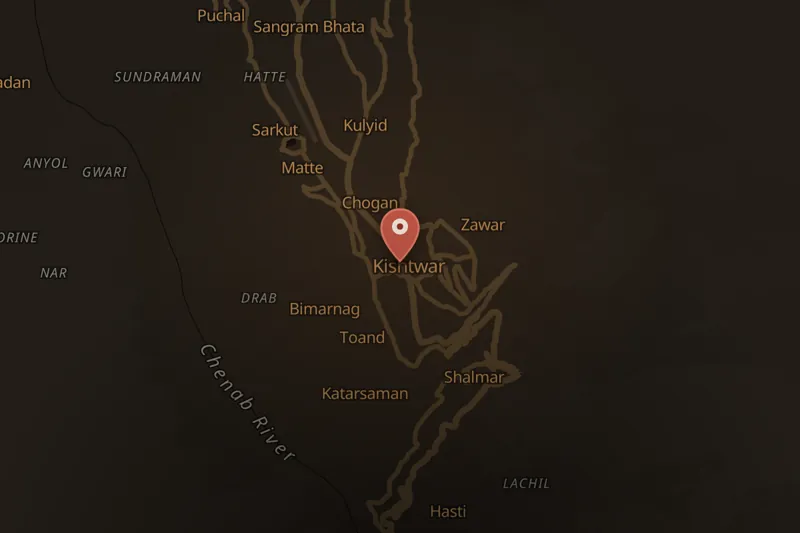
The violence unfolded in four distinct incidents, all within the Hindu-majority Paddar valley. The first occurred on 10 May 2001 at Atholi village, killing seven Hindus. The second took place on 21 July 2001 at Cheerji in Kishtwar, killing 15 people. The following day, four more villagers were killed at Tagood. The final and largest attack occurred on 2 August 2001 at Shrotidhar, where 17 shepherds — belonging to Rajput and Dalit castes from the village of Ladder — were lined up and shot dead by the attackers. Some shepherds escaped by fleeing the scene, while others survived by feigning death among the bodies of those killed. Five additional villagers were seriously injured in the Shrotidhar attack.
In the aftermath, the last rites of the Shrotidhar victims were held at Atholi, with the ceremony marked by some violence and vandalism. A complete bandh (shutdown) was observed in Jammu the following day in protest. Demonstrators in Jammu, Kathua, and Udhampur burned Pakistani flags and effigies of Pervez Musharraf in response to the killings. A Lashkar-e-Toiba commander described as involved in the massacres was shot dead by police in Doda on 6 August 2001, and another commander was reportedly killed by police five days later.
Following the massacres, central and state governments announced plans to establish dhok defence committees, modelled on existing village defence committees, intended to protect shepherds from militant attacks. Union Home Minister L.K. Advani pledged new legislative measures aimed at curbing violence against vulnerable Hindu communities in the region. On 9 August 2001, the state government imposed the Disturbed Areas Act across the districts of Doda, Udhampur, Jammu, and Kathua. The killings were subsequently raised in the Indian parliament, where opposition parties criticised the government's handling of security in the affected areas.

 UNSOLVEDListen