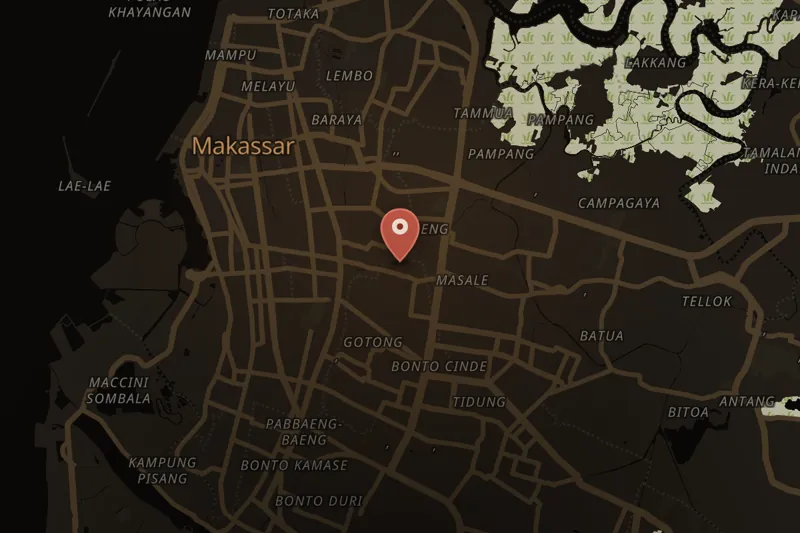
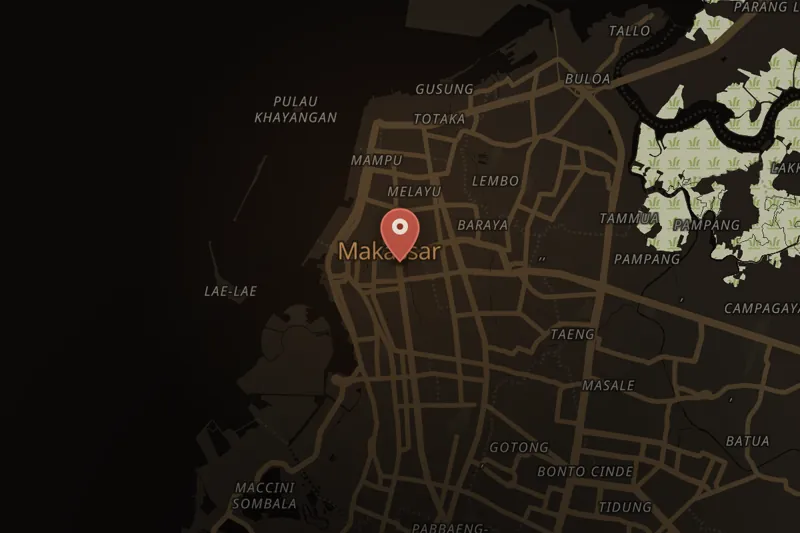
On the evening of 5 December 2002, coinciding with the Eid al-Fitr festival marking the end of Ramadan, a bomb detonated inside a McDonald's restaurant located in the Ratu Indah shopping mall in Makassar, Indonesia. The blast killed three people, including one of the bombers, and injured 15 others. A second bombing occurred the same day at a car dealership a few miles away; no one was injured in that attack. Both the McDonald's restaurant and the car dealership were owned by Jusuf Kalla, who was Indonesia's vice president at the time.
Investigators attributed the attacks to the Islamic group Laskar Jundullah. It has been suggested the bombings were motivated by opposition to a peace deal reached in Poso and to Kalla's public support for that peace process, including remarks he made at the United Nations General Assembly advocating dialogue and peaceful dispute resolution. Another possible motive cited is that the attack was intended to target a senior-level Indonesian politician through his business interests.
The investigation led to the questioning of suspects Agung Abdul Hamid, then 36, and a second suspect, then 28, at Yogyakarta Police Station, following arrests led by the Adjunct Commissioner of Police Triatmojo of the South Sulawesi Regional Political Anti-Terror team. The second suspect was arrested on 27 September 2004 at Jalan Mageland, Blunyah Tegarejo, where he had reportedly been disguising himself as a used-goods trader at the Klithikan traditional market. Agung Abdul Hamid was arrested on 3 October 2004 at Jalan Mangkubumi, Yogyakarta, having reportedly posed as an onion trader moving between towns. Both were transported by commercial aircraft from Adisucipto Airport to Makassar.
On 15 August 2005, Agung Abdul Hamid was tried at the Makassar District Court and found guilty of planning and executing the bombing; reporting on the case describes both a life imprisonment sentence and, in an earlier reference, an 18-year sentence tied to his role in planning and carrying out the attack. Other individuals were also convicted for their roles: Ilham Riady, charged along with Anton Bin Labbase for overall planning of the bombing, received an eight-year sentence. Galazi Bin Abdul Somad, described as a militant who transported explosives to the bombers, received an 18-year sentence.
Police investigators have said there are links between the Makassar bombing and the Bali bombings of 2002, noting that both attacks have been attributed to the Jemaah Islamiyah network — from which Laskar Jundullah is said to have drawn its beliefs — and that some individuals involved in each attack were known to one another. Both attacks have also been characterized as targeting symbols associated with Western culture, McDonald's as a Western brand and Bali as a major Western tourist destination. No official police statement has confirmed a formal operational link between the two events.

 SOLVEDListen