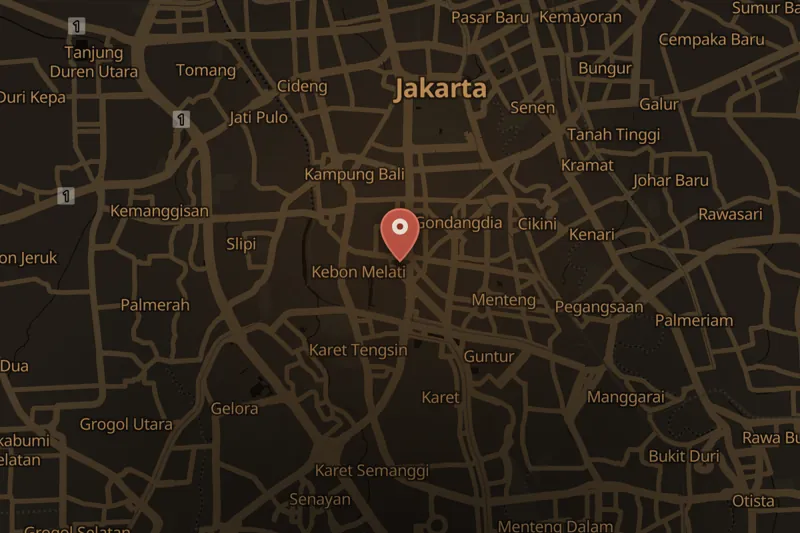
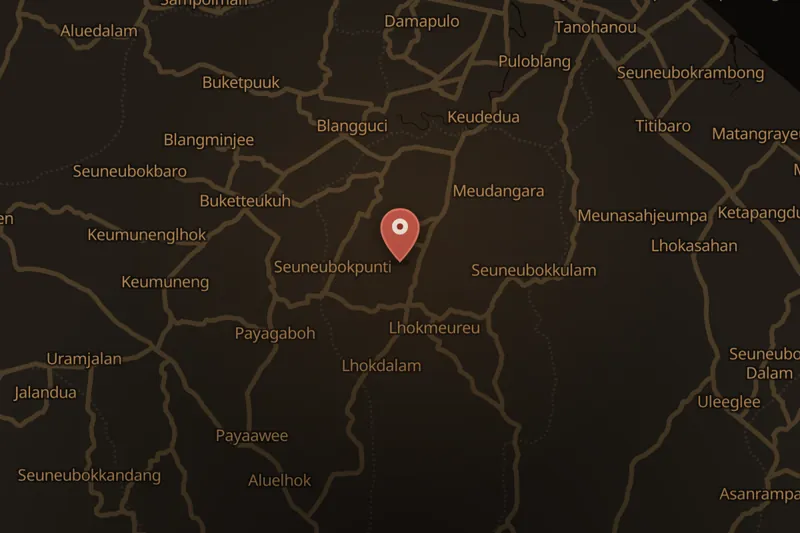
On 31 December 2003, a bomb exploded around 9:00 PM at a night market festival in the eastern town of Peureulak, in Nanggroe Aceh Darussalam province, Indonesia. The explosion occurred during a concert attended by hundreds of people, where three local girls were performing on a stage. According to first responders, the device — believed to have been triggered by a timer mechanism — had been planted beneath the stage.
The attack killed at least 10 people and wounded 45 others. Among the dead were three children: a 1-year-old girl and a 7-year-old boy who died at the scene, and a 4-year-old girl who died later in hospital. Other victims included the mother of two of the children, numerous teenagers, and a man later identified as a member of the Free Aceh Movement (GAM). Most of the wounded were treated at Langsa general hospital, which reportedly lacked sufficient surgeons to handle the number of casualties; additional doctors were requested from the provincial capital, Banda Aceh, and from Medan in North Sumatra.
The bombing was described as the deadliest attack in Aceh since fighting resumed between Indonesian troops and GAM on 19 May 2003. The New Year's Eve festival at which the bombing occurred was allegedly organized by the Indonesian military.
Lt. Col. Ahmad Yani Basuki of the Indonesian military stated that the bomb was powerful and asserted that no group other than GAM could have carried out the attack, characterizing Peureulak as a "rebel stronghold." A GAM spokesman denied the group's involvement, stating that the separatist movement had never staged an attack intended to kill Acehnese civilians. Because one of the victims was identified as a GAM member, local police investigated the possibility that the bombing was a suicide attack, but their findings on this question were inconclusive. At the time, GAM was not known to have a history of targeting civilians or conducting public bombings.

 SOLVEDListen