
Solved case
2010 Pune bombing
A bomb exploded at the German Bakery in Koregaon Park, Pune, on 13 February 2010, killing 18 people and injuring at least 60. Lashkar-e-Taiba and the Indian Mujahideen claimed responsibility, and Indian courts later convicted Himayat Baig, who was sentenced to death and later had his sentence commuted to life imprisonment.
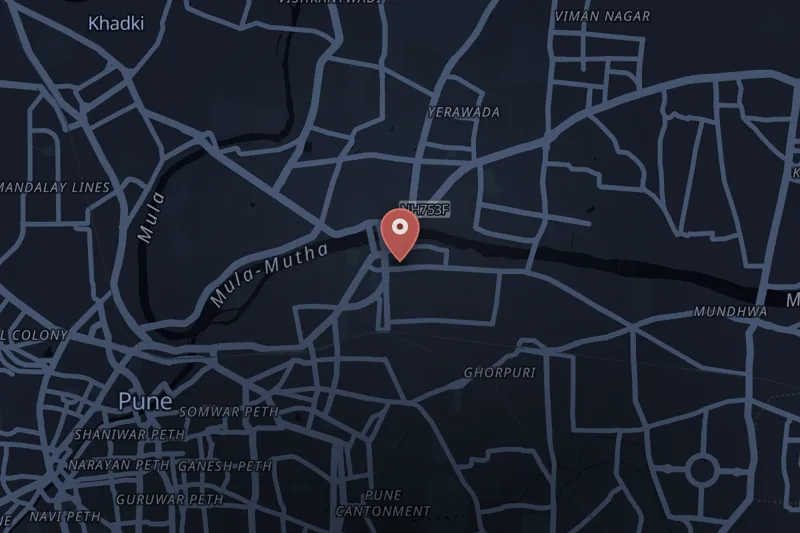
On 13 February 2010 at approximately 19:15 Indian Standard Time, a bomb exploded at the German Bakery in the Koregaon Park area of Pune, Maharashtra, India. The bakery, located near the local Jewish Chabad House and the Osho International Meditation Resort, was popular with both foreign visitors and local residents. The blast killed 18 people, including an Italian woman, two Sudanese students and two Iranian students, and injured at least 60 others. Nine people were killed instantly, while the remaining victims died over the following days from their injuries. About 60 people were injured, including 12 foreign nationals from Iran, Sudan, Nepal, Italy, Taiwan, and Yemen.
Forensic analysis by the Forensic Science Laboratory found that the explosive device combined RDX, ammonium nitrate and petroleum hydrocarbon oil (ANFO), along with ball bearings, nuts and bolts. The Maharashtra government's Anti-Terrorism Squad (ATS), the National Investigation Agency, and the Central Bureau of Investigation participated in the investigation. Two Islamist groups, Lashkar-e-Taiba and the Indian Mujahideen (also known as Students' Islamic Movement of India), claimed responsibility under pseudonymous names. Indian officials suggested the attack may have been linked to a Lashkar-e-Taiba plan referred to as the "Karachi Project," reportedly involving David Coleman Headley, a Pakistani-American who had earlier scouted the area near the bakery in July 2008 and March 2009 and who was also connected to the 2008 Mumbai attacks. Ilyas Kashmiri was believed by investigators to have masterminded the attack; his associated group, the 313 Brigade, claimed responsibility via email. Kashmiri was killed in a drone strike in Pakistan on 3 June 2011.
The investigation led to more than 40 arrests across several Indian cities, including Pune, Aurangabad, Karnataka's Hampi region, and Chennai. The Maharashtra ATS identified Yasin Bhatkal as a main conspirator in an April 2010 preliminary report. In May 2010, Abdul Samad Bhatkal, Yasin's brother, was arrested and later identified by the Indian Home Minister as the prime suspect in the bombing. In September 2010, the ATS arrested Mirza Himayat Baig, along with an associate identified as Shaikh Lalbaba Mohammed Hussain, both believed to be linked to Lashkar-e-Taiba; Baig was reported to have received bomb-making training in Colombo in 2008. In November 2011, Delhi Police's special cell arrested additional suspected Indian Mujahideen operatives in connection with the Pune bombing and other attacks.
On 18 April 2013, a Pune court sentenced Himayat Baig to death after convicting him earlier that week for his involvement in the bombing. His lawyer indicated an intention to appeal to the Bombay High Court. In 2018, Baig's death sentence was commuted to life imprisonment. The bombing occurred shortly after India and Pakistan had agreed to resume bilateral dialogue, prompting domestic political debate over the timing and future of those talks.
Key facts
- Victims
- On file
- Date
- 2010
- Location
- German Bakery, Koregaon Park, Pune, Maharashtra, India
- Case status
- solved
Case timeline
2010-02-13
A bomb exploded at the German Bakery in Koregaon Park, Pune, at approximately 19:15 IST, killing 18 people and injuring at least 60.
2010-02-14
Indian Home Minister P. Chidambaram said responsibility for the blast had not yet been determined and that authorities sought to interview David Headley.
2010-02-16
Pune police arrested two suspects from Pune's suburbs; two others were detained in Aurangabad.
2010-04-07
Maharashtra ATS submitted a preliminary report identifying Yasin Bhatkal as one of the main conspirators.
2010-05-24
Maharashtra ATS arrested Abdul Samad Bhatkal at Mangalore International Airport; he was later identified as the prime suspect in the bombing.
2010-09
ATS arrested Mirza Himayat Baig and an associate, Shaikh Lalbaba Mohammed Hussain, for alleged involvement in the attack.
2011-06-03
Ilyas Kashmiri, believed to have masterminded the attack, was killed in a drone strike in Pakistan.
2011-11-30
Delhi Police special cell arrested six suspected Indian Mujahideen operatives connected to the Pune bombing and other attacks.
2013-04-18
A Pune court sentenced Himayat Baig to death after convicting him for involvement in the bombing.
2018
Baig's death sentence was commuted to life imprisonment.
Best coverage
No coverage has been attached to this file yet.
People
Mirza Himayat Baig
CONVICTEDConvicted in April 2013 for involvement in the bombing; sentenced to death, later commuted to life imprisonment in 2018.
Roles reflect public records and court outcomes at the time of writing — supporting citations are on file under Sources.
Places
Common questions
- What happened to the victim?
- A bomb exploded at the German Bakery in Koregaon Park, Pune, on 13 February 2010, killing 18 people and injuring at least 60. Lashkar-e-Taiba and the Indian Mujahideen claimed responsibility, and Indian courts later convicted Himayat Baig, who was sentenced to death and later had his sentence commuted to life imprisonment.
- Where did the bombing happen?
- German Bakery, Koregaon Park, Pune, Maharashtra, India.
- Who was convicted?
- Mirza Himayat Baig (Convicted in April 2013 for involvement in the bombing; sentenced to death, later commuted to life imprisonment in 2018.).
- What is the current status of the case?
- Status: solved.
Related cases
View all cases
1997 Ramabai killings
Ramabai Ambedkar Nagar colony, Ghatkopar, Mumbai
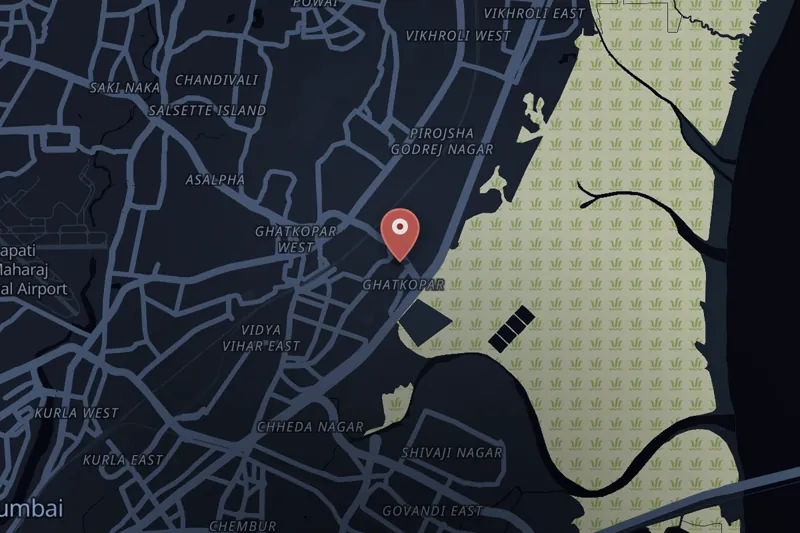
2002 Mumbai bus bombing
Near Ghatkopar railway station, Mumbai
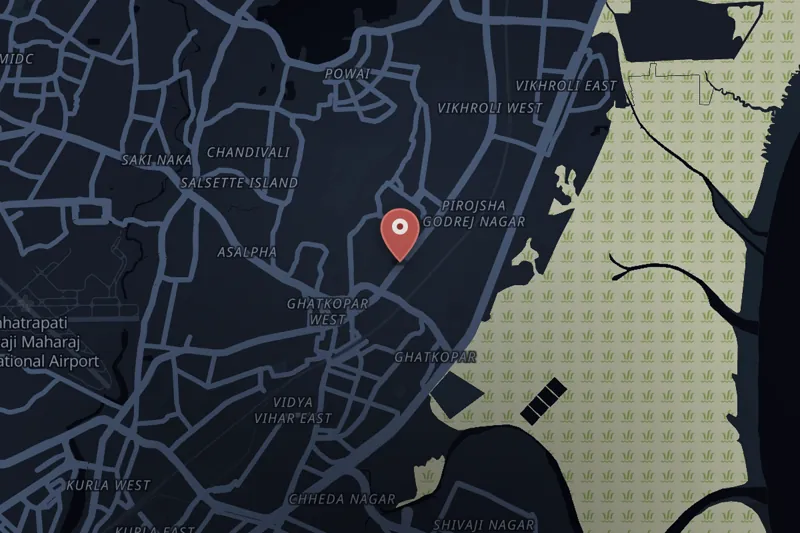
July 2003 Mumbai Bombing
Lal Bahadur Shastri Marg, Ghatkopar, Mumbai

Pulse Nightclub Shooting
Pulse nightclub, Orlando, Florida, United States

2018 Toronto van attack
Yonge Street, North York City Centre, Toronto, Ontario, Canada

Murder of Jo Cox
Birstall, West Yorkshire, England
Sources
- ENCYCLOPEDIC2010 Pune bombingWikipedia · 2026-07-10
- PRESSContemporaneous coverage — The New York TimesThe New York Times · 2026-07-10
Record history
- First published
- JUL 10, 2026
When a file you follow changes — a new development, a correction, fresh coverage — the Dispatch is how you hear about it.
The Casepin Dispatch
A calm weekly briefing from the archive — one case worth understanding, meaningful updates to files you follow, and the best new coverage. You’ll also get the one-time note when the apps land. No gore, no rumor, no drip.