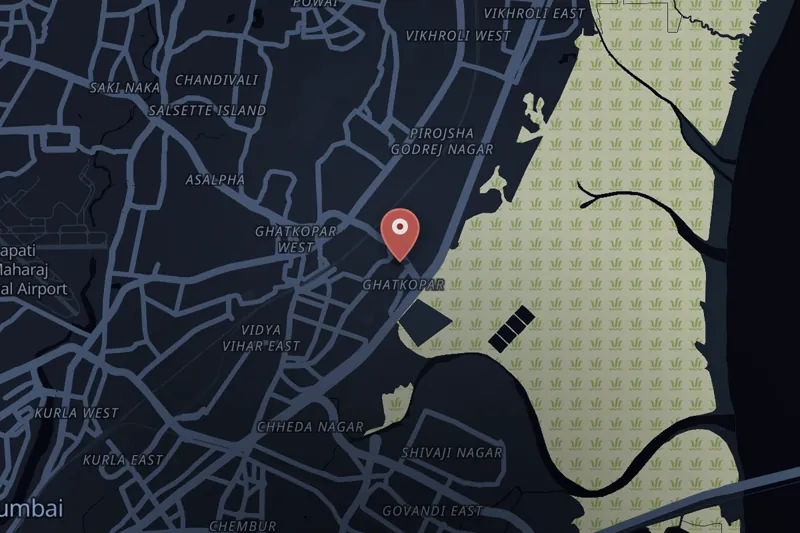
On the evening of Monday, 2 December 2002, at approximately 18:45 IST, a bomb concealed under a seat in the rear of a BEST (Brihanmumbai Electric Supply and Transport) bus exploded near the busy Ghatkopar railway station in Mumbai, India. The bus had just reached its final stop, and passengers had alighted while new passengers for the return trip had not yet boarded. As a result, those killed and injured were in the crowded station area rather than inside the bus itself. The explosion killed two people and injured more than 50 others.
Following the Ghatkopar blast, police located and defused a second, unexploded bomb that had been placed on another BEST bus in the SEEPZ industrial area of Andheri, a separate part of Mumbai. This discovery indicated that the attack was intended to strike multiple locations across the city's public transport network.
In the aftermath, police arrested several young men in connection with the bombing. All of those tried were subsequently acquitted. One of the men arrested, Khwaja Yunus, did not survive the investigation process. According to accounts described in connection with the case, Yunus was alleged to have died in police custody as a result of torture, with his body allegedly disposed of in a gorge after officers claimed he had escaped custody and fallen. A trial against four police officers, including Sachin Vaze, over the alleged custodial death of Khwaja Yunus remained ongoing as of 2024.
Separately, in 2018, Irfan Qureshi was arrested in Aurangabad; police described him as a wanted accused in the original bus bombing case who had evaded capture for 16 years, though his lawyers said a warrant had never been issued for him and that he had not been absconding.
The Ghatkopar bombing was the first in a series of five bombings that struck Mumbai within a period of less than nine months, followed by bombings in January 2003, March 2003, July 2003, and August 2003.
This case remains notable both for the unresolved question of who was legally responsible for the bombing itself — given that all those tried were acquitted — and for the separate, ongoing legal proceedings concerning the death in custody of one of the original suspects, Khwaja Yunus.

 SOLVEDListen