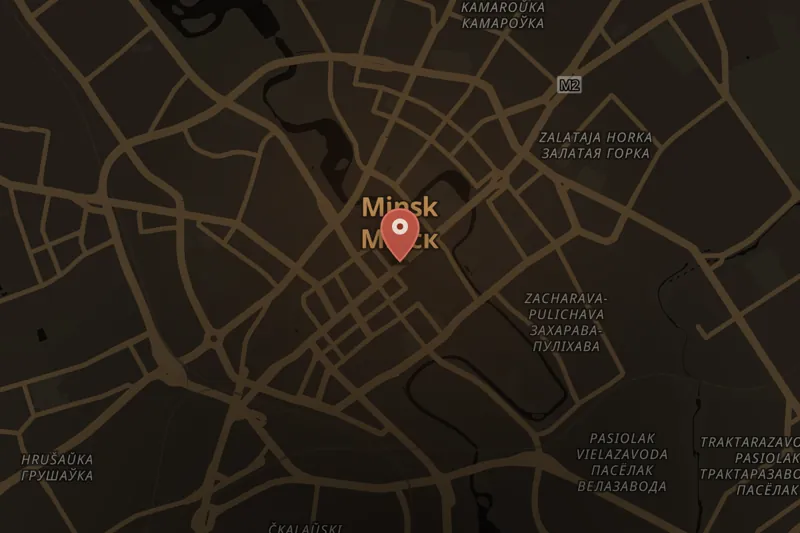
On 11 April 2011, at approximately 17:55 local time, an explosion occurred at Kastrychnitskaya (Kastryčnickaja) station of the Minsk Metro in Belarus during evening rush hour. The blast, equivalent to five to seven kilograms of TNT, occurred next to the second car of an inbound train while roughly 300 people were in the station. The device, reportedly packed with nails and ball bearings and possibly detonated by remote control, killed 15 people and injured 315, with eight foreign citizens among the injured. Most injuries were caused by shrapnel. The Belarusian government declared 13 April 2011 a national day of mourning.
The Prosecution Office classified the event as a terrorist attack and launched a criminal investigation. President Alexander Lukashenko ordered an urgent inquiry, suggested possible foreign involvement, and called on the public to assist authorities. Investigators pursued three possible motives — a destabilization attempt, action by an extremist anarchist organization, or the act of "an unhealthy person" — ultimately settling on the latter. Fingerprint evidence, matched with assistance from Interpol, linked the Minsk Metro bomb to an earlier 2008 Independence Day bombing in Minsk.
Two suspects, Uladzislau Kavalyou and Dzmitry Kanavalau, were arrested on 13 April 2011 and confessed to the bombing, as well as to earlier bombings in Vitebsk (2005) and at the 2008 Independence Day concert in Minsk. Their stated motives reportedly remained unclear; one suspect was said to have told psychiatrists he "enjoyed the suffering of others," though he was found sane. Their trial began in September 2011, and both men were found guilty in November 2011. They were executed by shooting in early March 2012; the exact time and place were kept secret, and Kavalyou's mother was formally notified of his execution on 17 March 2012.
The case generated significant controversy. Analysts and opposition figures questioned whether the Belarusian government itself could have been involved, citing the absence of ethnic, religious, or violent political divides in Belarus and the surveillance or imprisonment of most opposition figures. The UN Security Council's condemnation statement notably used the phrase "apparent terrorist attack" — the first time such qualified language had been used in a UN Security Council response to a terrorist incident — reflecting diplomatic disagreement over the official narrative. The European Union and the European Parliament criticized the investigation and trial as flawed and condemned the executions; the German Parliament raised concerns that Interpol had accepted evidence from Belarusian investigators without sufficient scrutiny. The bombing occurred amid economic crisis and political unrest following the disputed 2010 Belarusian presidential election.


 SOLVEDListen


