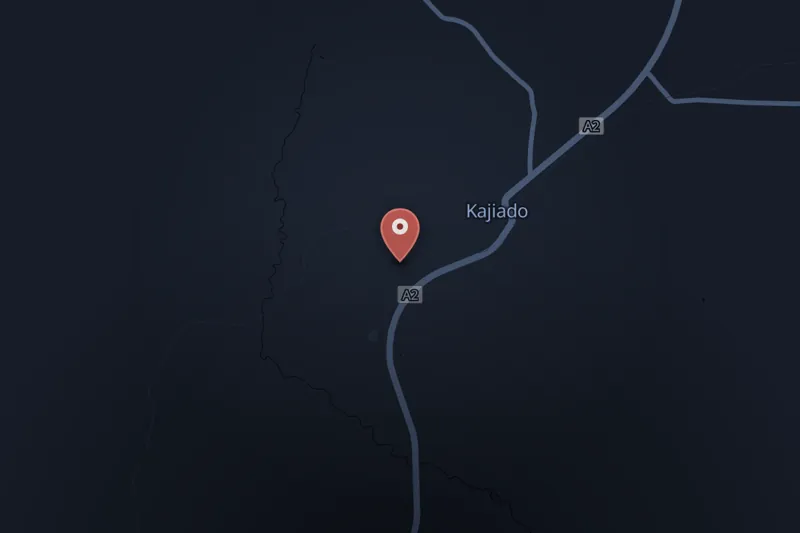
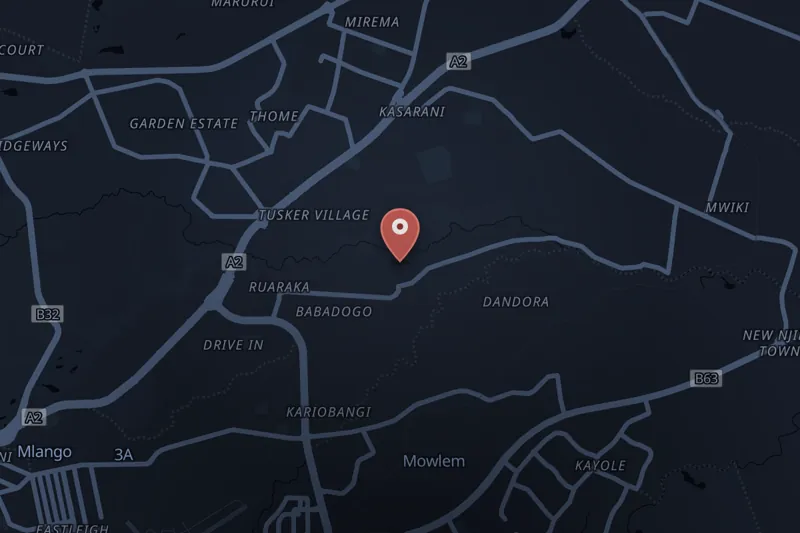
On 4 May 2014, two homemade bombs detonated on separate commuter buses on the Thika Highway in Nairobi, Kenya, roughly one kilometre apart and nearly simultaneously. The 45-seat buses were described as packed with commuters at the time of the blasts. According to Kenya's National Disaster Operations Centre, at least three people were killed and at least sixty-two others were injured, with around twenty of the injured reported to be in critical condition. The explosions occurred near the Safari Park hotel and in an underpass close to the TRM Mall. Photographs of the aftermath showed extensive damage to the buses, including a large hole in the side of one vehicle and blown-out doors and windows on the other. Reports at the time indicated that the majority of casualties were women and children.
Kenyan Vice President William Ruto stated that security agencies were pursuing the perpetrators of the attack, while President Uhuru Kenyatta said the individuals responsible would be treated as criminals. No individual or group was confirmed as having claimed responsibility for this specific attack, though it occurred amid a sustained period of violence in Kenya attributed in large part to al-Shabaab and associated Kenyan militants.
The bombings formed part of a broader escalation of attacks across Kenya between 2011 and 2014, which Kenyan officials linked to retaliation for Operation Linda Nchi, the joint Kenyan-Somali military campaign against al-Shabaab that began in October 2011. In the weeks surrounding the Thika Highway bombings, Nairobi and Mombasa experienced a series of other bombings and shootings, including twin blasts in Eastleigh on 31 March and 1 April 2014 that killed six people, an explosion at the Pangani police station on 23 April 2014 that killed four people, and twin explosions at Gikomba Market on 16 May 2014 that killed more than ten people. By mid-2014, the cumulative effect of these attacks had prompted the United States, United Kingdom, France and Australia to issue travel warnings for Kenya, affecting the country's tourism sector.
Separate prosecutions did occur for other attacks during the broader 2011–2014 wave of violence in Kenya, including the conviction of Elgiva Bwire Oliacha for the October 2011 Nairobi grenade attacks and the sentencing of Abdimajid Yasin Mohamed for a related 2012 case, but these are distinct incidents from the May 2014 bus bombings.

 Credit: FBIPublic domainSourceSOLVEDListen