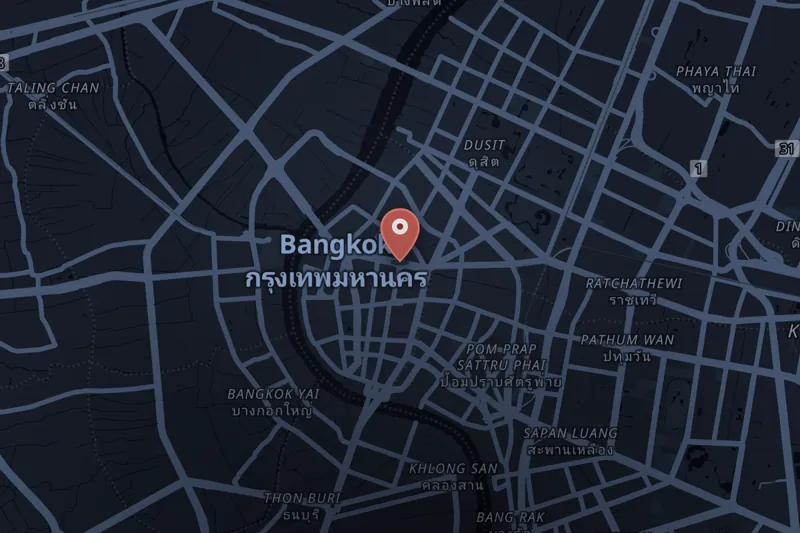
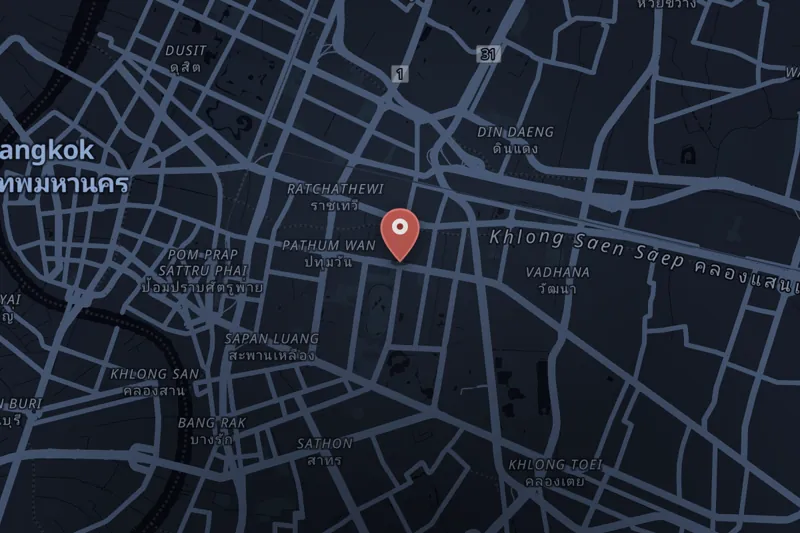
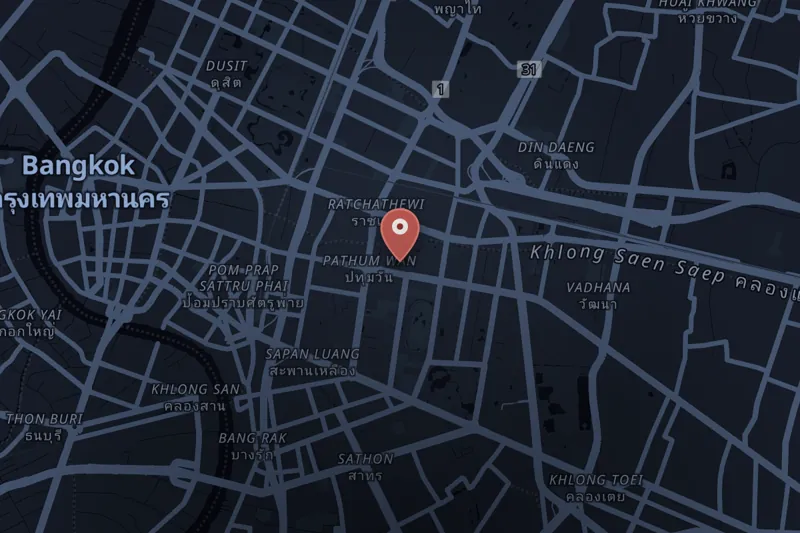
On 17 August 2015, at 18:55 local time, a bomb exploded inside the grounds of the Erawan Shrine near the Ratchaprasong intersection in Bangkok's Pathum Wan district. Royal Thai Police said roughly 3 kilograms of TNT had been packed into a pipe bomb left under a bench near the shrine's outer perimeter. The explosion killed 20 people and injured 125, most of them tourists visiting the shrine. The dead included six Thais, five Malaysians, five mainland Chinese nationals, two people from Hong Kong (including one British national resident there), one Indonesian, and one Singaporean; all 14 non-Thai fatalities were ethnic Chinese. Citizens of numerous other countries, including Austria, Japan, the Philippines and Qatar, were among the injured.
A second, separate incident occurred the following day, 18 August 2015, when an explosive device was thrown from a bridge near a Bangkok pier; it landed in the Chao Phraya River and caused no injuries, though it damaged the bridge.
No group claimed responsibility for the shrine bombing. Thai authorities offered shifting explanations over time, including suggestions of retaliation for Thailand's July 2015 deportation of Uyghurs to China, revenge tied to a human-trafficking crackdown, links to southern Thailand's separatist insurgency, and domestic political motives. Investigators released CCTV footage of a man leaving a backpack at the scene and issued an arrest warrant for him. A taxi driver told police he had picked up a man matching the suspect's description shortly before the attack.
On 29 August 2015, police arrested a man carrying a fake Turkish passport along with numerous other passports and bomb-making components found in his apartment. He was later identified as Adem Karadağ, also known as Bilal Mohammed, and on 26 September 2015 he was named as the bomber based on his own confession and other evidence. A second suspect, Mieraili Yusufu, was also charged. Thai authorities alleged the bombing was carried out by a network linked to the Grey Wolves, a Pan-Turkic Turkish nationalist organization, in retaliation for the Uyghur deportations, though this theory was disputed by several Thai security analysts and academics.
In February 2016, Karadağ retracted his confession, with his lawyer alleging it had been obtained through torture; Yusufu also denied the charges. The military court trial proceeded slowly over subsequent years, with hearings continuing into 2020 and resuming in November 2022 after a COVID-19-related suspension. A third defendant, Wanna Suansan, was acquitted on 7 November 2024 due to insufficient evidence. On 11 June 2026, the Bangkok South Criminal Court sentenced both Karadağ and Yusufu to death.
The bombing prompted travel advisories from numerous countries and a measurable, though temporary, decline in tourism from major Asian markets.

 ONGOINGListen