Skip to content
Casepin

Solved case · 1972

Bangkok Israeli Embassy Hostage Crisis

Also known as Israeli Bangkok Embassy hostage crisis

SOLVED
Updated
Updated Jul 7, 2026
Bangkok Israeli embassy hostage crisis newspaper2Bangkok Israeli embassy hostage crisis newspaper2Credit: เดลินิวส์Public domainSource

The short answer

Bangkok Israeli Embassy Hostage Crisis in brief

On 28 December 1972, four Black September militants seized the Israeli embassy in Bangkok and held six Israeli staff hostage for 19 hours before agreeing to fly to Egypt in exchange for releasing all hostages unharmed.

Key facts

Year
1972
Place
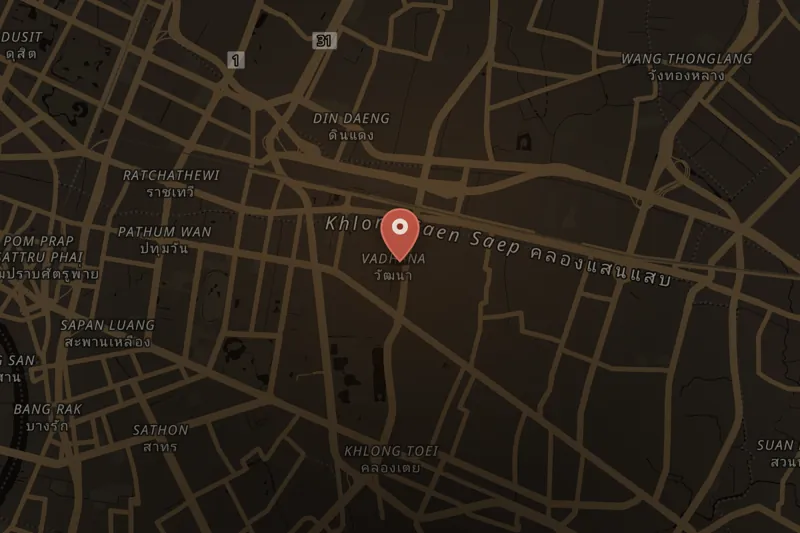
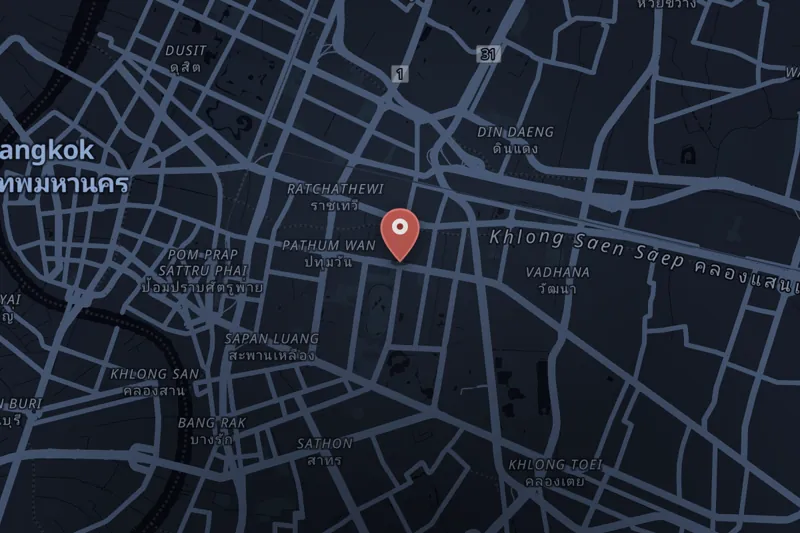
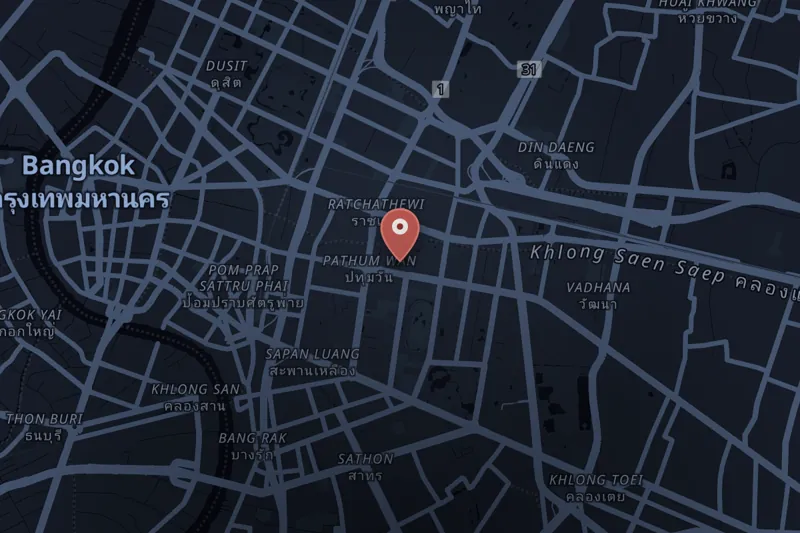
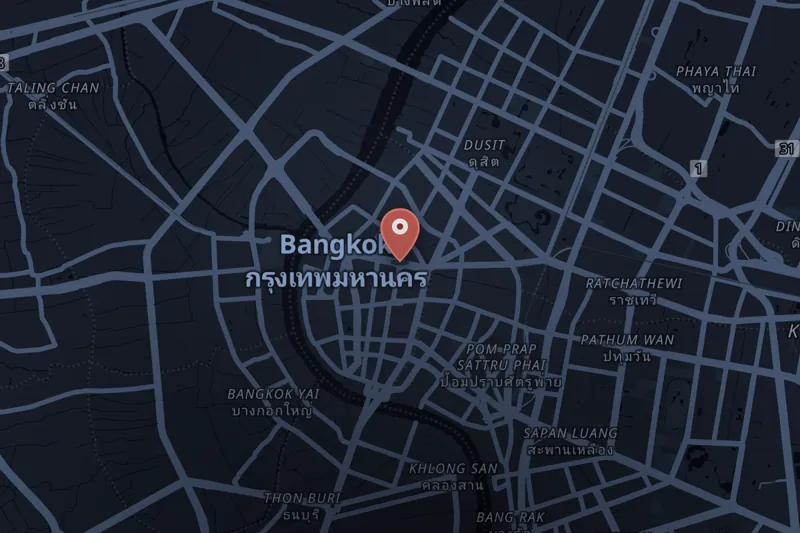
Israeli Embassy, Bangkok, Thailand
Status
SOLVEDSolved
Victims
Shimon Avimor, Pincus Lavie, Nitzan Hadas, Ruth Hadas and Danie Beri
Outcome
No conviction on file

The coverage index

Where to watch & listen

No one's coverage is attached to this file yet.

Know great coverage of this case?

A documentary, a podcast episode, a careful long-form video. Suggest it and an editor will review it before it appears here.

Suggest coverage for Bangkok Israeli Embassy Hostage Crisis

The case file

What happened

On 28 December 1972, four operatives from the Palestinian militant group Black September carried out a raid on the Israeli embassy in Bangkok, Thailand. Two operatives infiltrated a party being held at the embassy, while two others scaled the compound wall carrying automatic weapons. Together the four took control of the building. They allowed Thai nationals present to leave but held six Israeli embassy staff hostage: Shimon Avimor, the visiting Israeli Ambassador to Cambodia; first secretary Nitzan Hadas and his wife Ruth; administration attache Pincus Lavie; Lavie's assistant Danie Beri; and Beri's wife.

The attack took place on the day Vajiralongkorn was to be proclaimed Crown Prince of Thailand. Israeli Ambassador Rehavam Amir and his wife Avital were attending the investiture ceremony at the Ananta Samakhom Throne Hall rather than at the embassy, and so were not among the hostages; this allowed Ambassador Amir to take part in the subsequent negotiations. He and Thai Prime Minister Thanom Kittikachorn were informed of the siege during a break in the ceremony.

The militants moved their hostages to the second floor of the three-storey embassy building and issued demands, calling for the release of 36 prisoners held in Israeli jails, including Kozo Okamoto and survivors of the Sabena Flight 571 incident. They threatened to destroy the embassy if these demands were not met by 08:00 on 29 December.

Negotiations were led by two Thai government figures, Dawee Chullasapya and Chatichai Choonhavan (then deputy foreign minister, later Thai prime minister in 1988), along with the Egyptian ambassador to Thailand, Mustapha el Assawy. Rather than meeting the militants' demands for prisoner releases, the negotiators and other Thai officials offered themselves as guarantors of the militants' safe passage to Cairo in exchange for the hostages' release.

After 19 hours of negotiation, an agreement was reached — later referred to as the "Bangkok solution" — under which the militants released all six hostages unharmed and were flown to Cairo. The Thai government reportedly wished to avoid having the day's celebration of the crown prince's investiture overshadowed by a dispute it viewed as unrelated to Thailand, and so guaranteed the militants' safe travel. Black September's leadership was said to be unhappy with how its operatives had resolved the standoff. Then-Israeli Prime Minister Golda Meir praised the Thai government's handling of the crisis for achieving a bloodless resolution.

No one was reported injured in the incident.

3 dated entries · 1972

Timeline

  1. Four Black September operatives raid the Israeli embassy in Bangkok during a party, taking six Israeli embassy staff hostage while releasing Thai nationals present.

  2. Militants move hostages to the second floor and demand release of 36 prisoners from Israeli jails, threatening to destroy the embassy by 08:00 the next day if demands are not met.

  3. After 19 hours of negotiation, an agreement (the "Bangkok solution") is reached: hostages are released unharmed and the militants are flown to Cairo, Egypt.

5 named in this file

People

Victims first. Every legal label is set from public records and court outcomes, not from the prose.

  • Danie Beri

    VICTIM

    Assistant to the administration attache, held hostage during the siege[3]

  • Nitzan Hadas

    VICTIM

    Israeli embassy first secretary, held hostage during the siege[3]

  • Pincus Lavie

    VICTIM

    Israeli embassy administration attache, held hostage during the siege[3]

  • Ruth Hadas

    VICTIM

    Wife of Nitzan Hadas, held hostage during the siege[3]

  • Shimon Avimor

    VICTIM

    Visiting Israeli Ambassador to Cambodia, held hostage during the embassy siege[3]

3 cited

Sources

Coverage is not a source: every fact in this file rests on the records below.

  • 2 Press
  • 1 Encyclopedic
  1. Contemporaneous coverage — The New York Times

    PressThe New York TimesAccessed Jul 7, 2026

  2. Contemporaneous coverage — start.umd.edu

    Pressstart.umd.eduAccessed Jul 7, 2026

  3. Bangkok Israeli embassy hostage crisis

    EncyclopedicWikipediaAccessed Jul 7, 2026

Trust

Record history

First published
Jul 7, 2026
Last verified against sources
Jul 7, 2026
Corrections
None

Are you family of someone named in this file? Corrections and removal requests from victims’ families are prioritized.