On the morning of June 1, 2016, a shooting occurred at Engineering IV, a building in the UCLA Henry Samueli School of Engineering and Applied Science. Two men were found dead inside a fourth-floor office: William Scott Klug, a 39-year-old professor of mechanical and aerospace engineering, and Mainak Sarkar, a 38-year-old former UCLA Ph.D. student who had been Klug's doctoral advisee. Two handguns and a suicide note were recovered near the bodies, and police determined the deaths resulted from a murder-suicide. A campus-wide BruinAlert was issued at 9:49 a.m. PDT, and LAPD officers arrived shortly before 10:00 a.m. Professor Christopher Lynch, who heard the gunshots, held a door shut to prevent the gunman from reaching others and was later credited with potentially saving lives.
Initial reports led authorities to believe a mass shooting might be underway, prompting a large-scale police response involving hundreds of UCLA and LAPD officers, including SWAT teams. The campus, a nearby hospital, and three elementary schools were placed on lockdown, which was lifted just after noon, and classes were canceled for the day. President Barack Obama was briefed about the incident while aboard Air Force One.
During the investigation, police discovered that Sarkar's estranged wife, Ashley Hasti, a medical student at the University of Minnesota, had been found dead at her home in Brooklyn Park, Minnesota, the day after the UCLA shooting. Investigators believe Sarkar killed Hasti several days before traveling to Los Angeles, entering her home through a broken window. Ballistic testing indicated that Klug and Hasti were killed with the same handgun. Police also located a "kill list" at Sarkar's Minnesota residence naming Hasti, Klug, and an unnamed UCLA professor who was confirmed to have been off campus at the time and was reported safe.
On June 3, two days after the shooting, Sarkar's car was found abandoned in Culver City, California, containing gasoline containers and an additional handgun; investigators theorized the containers were used to refuel during his drive from Minnesota. A bus transfer found on his body supported the theory that he used public transit, which he had relied on during his time as a student, to reach the UCLA campus.
Sarkar had reportedly made hostile comments about Klug on a personal blog and social media in the months preceding the shooting, accusing him of stealing his computer code, an allegation UCLA disputed. A source familiar with the two men said Sarkar had struggled with mental health issues, including depression, that affected his academic work.
In the aftermath, UCLA held a candlelight vigil attended by hundreds, including then-Mayor Eric Garcetti, and established a support fund for Klug's family. The university later formed a task force to review emergency response protocols and announced plans for a research institute focused on campus violence.


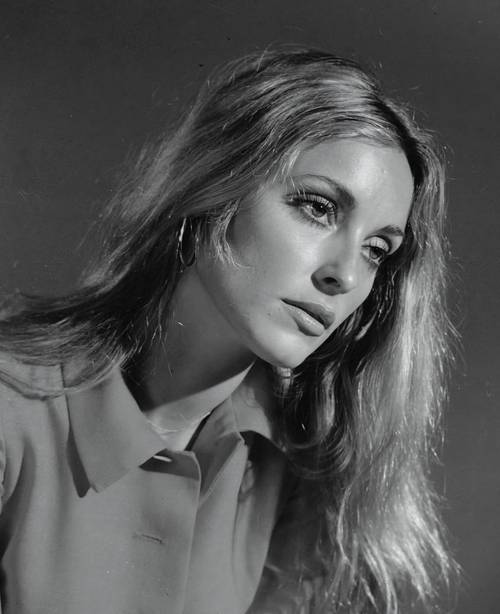 Credit: United Press International (UPI) press photo, 1968; via Wikimedia CommonsPublic domainSourceSOLVEDListen