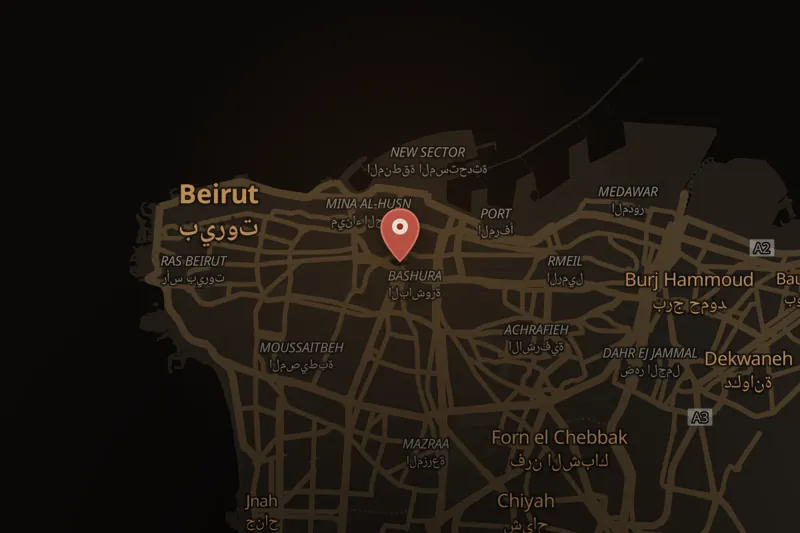
On 23 November 2024, the Israel Defense Forces (IDF) carried out an airstrike in Basta, a densely populated neighborhood in central Beirut, Lebanon, as part of the broader 2024 Israeli invasion of Lebanon. The strike killed at least 29 people, injured 67 others, and left 30 people reported missing in its immediate aftermath.
The attack occurred against the backdrop of escalating conflict between Israel and Hezbollah. The day after Hamas's 7 October 2023 attacks on Israel, Hezbollah fired rockets at the Shebaa Farms area, citing solidarity with the Palestinian people. This exchange escalated into sustained cross-border military activity affecting northern Israel, southern Lebanon, and the Golan Heights. In September 2024, Israel launched a major offensive against Hezbollah, targeting senior commanders, command centers, and weapons storage facilities, with a stated aim of enabling displaced Israeli residents to return to communities in northern Israel.
The Basta strike took place early in the morning, around 4 AM, without prior warning. At least four bombs struck an eight-storey apartment building, leveling it entirely. Seven smaller residential buildings in the surrounding area were also destroyed, leaving deep craters where structures had previously stood. Rescue workers began operations at the scene immediately following the strike. Due to the severity of the destruction, many victims' bodies required DNA testing for identification, and the fate of the 30 people reported missing remained unclear in the aftermath.
Reports indicated that the strike used bunker buster munitions, designed to penetrate deep into the ground before detonating — a method reportedly similar to that used in the earlier assassination of Hezbollah leader Hassan Nasrallah.
The precise target of the strike was not confirmed. Israeli media outlets suggested that high-level Hezbollah officials may have been the intended targets. However, Hezbollah MP Amine Sherri denied that any members of the group were present in the building at the time of the attack. Israeli public broadcaster Kan reported that the strike was an attempt to kill a specific individual, while other reports suggested different Hezbollah-linked figures may have been targeted; the fates of these individuals remained unclear following the strike.


 Credit: SassinemichelCC BY-SA 3.0SourceUNSOLVEDListen