On 16 February 1992, Abbas al-Musawi, secretary-general of Hezbollah, was killed in an Israeli airstrike on his vehicle convoy in southern Lebanon, during the South Lebanon conflict (1985–2000). Israel gave the operation the code name "Night Time Operation" (Hebrew: מבצע שעת לילה).
The operation originated from efforts by Israeli Military Intelligence Directorate (Aman) chief Uri Sagi to develop a plan to kidnap Musawi, a senior Hezbollah figure, intended for use as leverage in a potential prisoner exchange connected to the disappearance of Israeli Air Force officer Ron Arad. The abduction plan, code-named "Night Time," was to be carried out by the special units Sayeret Matkal and Shayetet 13. Preparations culminated on 16 February 1992, but on the day of the planned operation it was determined that Musawi was surrounded by a large crowd, making a kidnapping impractical. The IDF's Intelligence Directorate then recommended converting the mission into a targeted strike.
Before the strike was authorized, two Israeli Air Force AH-64 Apache helicopters were deployed near the border; the pilots were reportedly not informed of the target's identity. Chief of Staff Ehud Barak urged Defense Minister Moshe Arens to approve the assassination, arguing that Israel would not get another opportunity to target Musawi. Arens approved after some hesitation, and Sagi and Barak authorized the strike on the convoy.
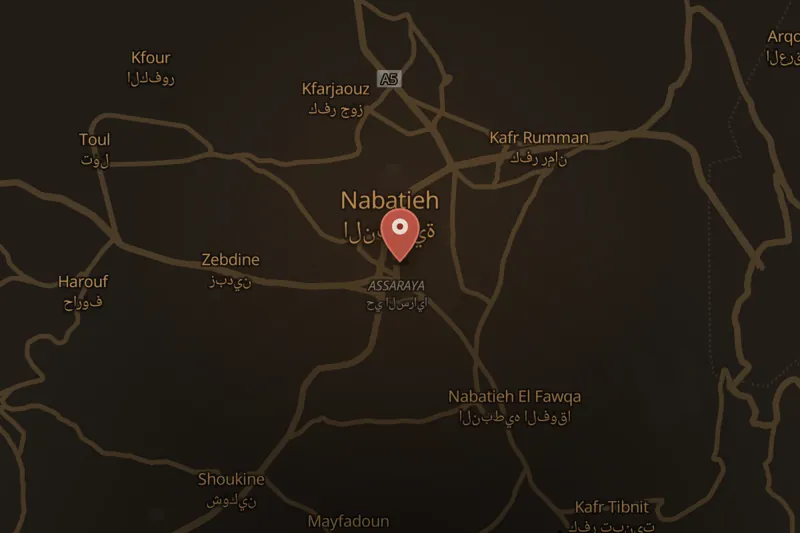
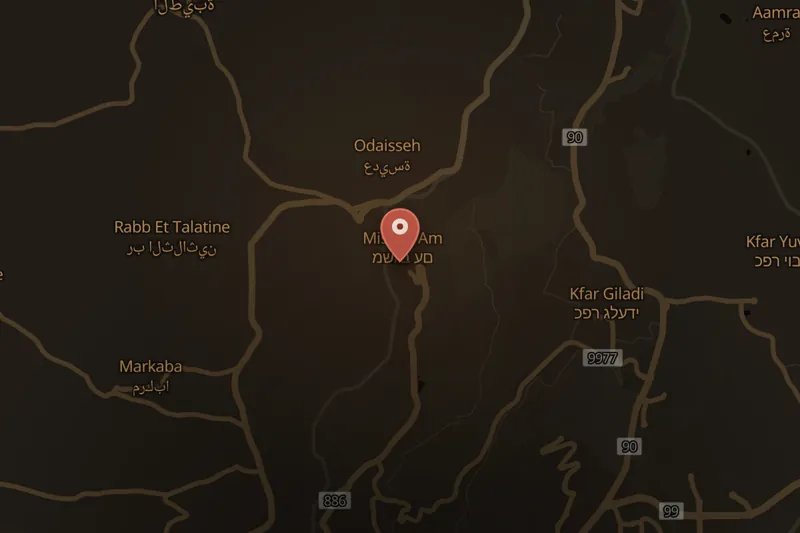
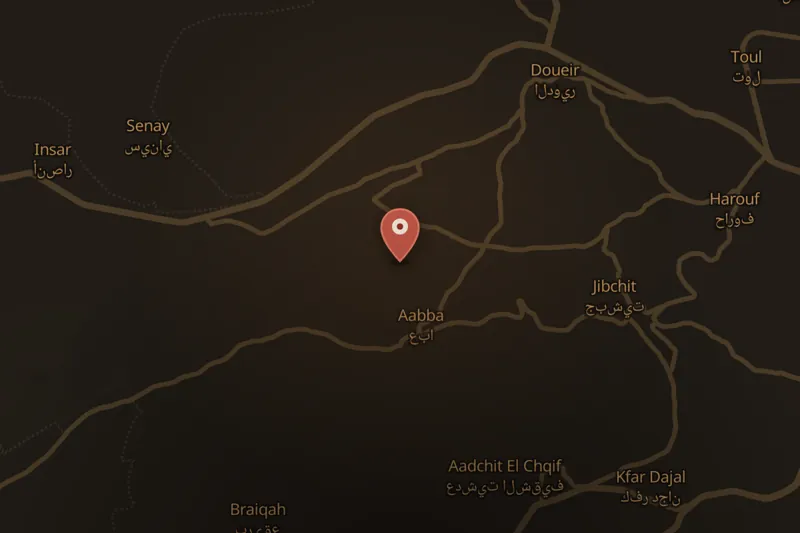
Musawi was traveling in a three-vehicle motorcade — a Mercedes-Benz limousine carrying him and his family, and two Range Rovers carrying armed bodyguards — returning to Beirut from a ceremony in Jibshit, Nabatieh, marking the eighth anniversary of the assassination of a Hezbollah founder. At approximately 4:30 p.m., Israeli Apache helicopters fired Hellfire missiles at the convoy near Al-Sharqiyah, destroying all three vehicles. Musawi, his wife, his five-year-old son, and four bodyguards were killed; at least ten others in the convoy were injured. A Hezbollah spokesperson stated that Musawi and his family were burned alive inside their vehicle. A helicopter later sent to retrieve the dead reportedly came under fire from an Israeli helicopter, and there were also reports that survivors fleeing the scene were fired upon with automatic weapons. Israel subsequently confirmed the strike was a pre-planned targeted assassination, described as the IDF's first targeted killing.
Following the attack, Defense Minister Arens condemned Hezbollah as a "murderous, terrorist organization" and described Musawi as "a man with lots of blood on his hands." Hezbollah condemned the killing as "a vengeful, cowardly assault." The embassy bombing killed 28 people, including four employees of the Israeli Ministry of Foreign Affairs and four Jewish women. The AMIA bombing, two years later, killed 85 people. An Argentine intelligence report concluded that Imad Mughniyeh, head of Hezbollah's military wing, was a key figure in planning the AMIA bombing along with other Hezbollah operatives and Iranian officials.

 ONGOINGListen