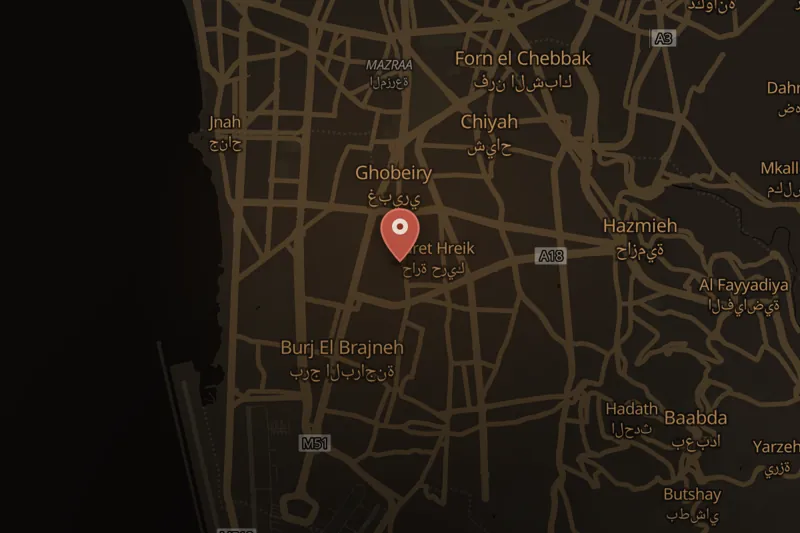
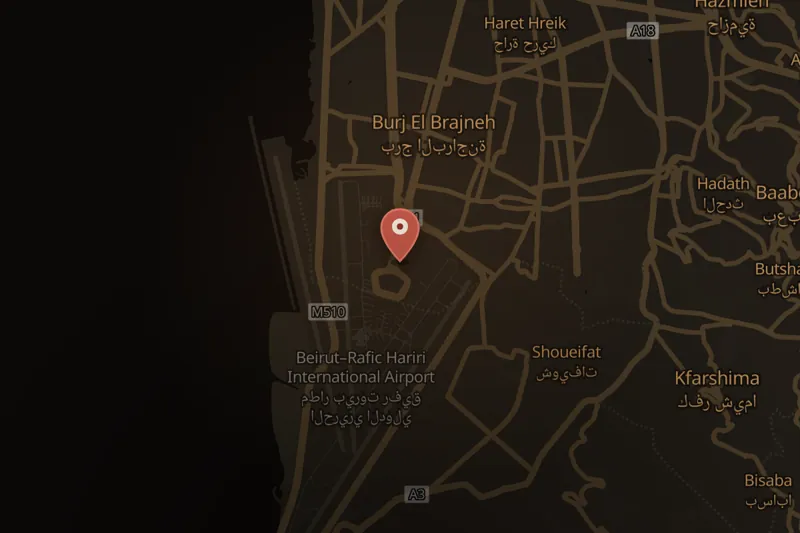
On the morning of October 23, 1983, a suicide bomber drove a truck loaded with explosives, later estimated to be equivalent to roughly 12,000 pounds of TNT, into the building serving as barracks for the 1st Battalion 8th Marines (BLT 1/8) at Beirut International Airport. The blast collapsed the four-story structure, killing 220 Marines, 18 sailors, and three soldiers, along with an elderly Lebanese custodian who worked and slept near the building. Thirteen more servicemembers later died of injuries and are counted among the dead, and 128 Americans were wounded. It was the deadliest single day for the U.S. Marine Corps since the Battle of Iwo Jima and the deadliest for U.S. armed forces since the first day of the Tet Offensive.
Minutes later, a second suicide bomber struck the nine-story Drakkar building in West Beirut, where the French Multinational Force contingent was housed. Fifty-eight French paratroopers were killed and 15 injured; the wife and four children of a Lebanese janitor at the building were also killed, and more than twenty other Lebanese civilians were injured. It remains France's worst military loss since the end of the Algerian War.
Both the U.S. Marines and French contingents were part of the Multinational Force in Lebanon (MNF), a peacekeeping operation deployed after Israel's 1982 invasion of Lebanon and the PLO's subsequent withdrawal from Beirut. Rescue operations began within minutes, involving Marine unit personnel, Navy medical staff, and Lebanese civilians, including construction contractor Rafiq Hariri, who supplied heavy equipment used to clear rubble.
A group calling itself Islamic Jihad claimed responsibility, stating the goal was to force the MNF out of Lebanon. U.S. Defense Secretary Caspar Weinberger stated there was no definitive knowledge of who carried out the bombing. Some analysis attributes the operation to Hezbollah and Iran, though there is no consensus on whether Hezbollah existed as an organized entity at the time. A 2003 U.S. civil case, Peterson v. Islamic Republic of Iran, produced testimony alleging Iranian supply of explosives materials and identifying the Marine-barracks bomber; Judge Royce C. Lamberth found Iran legally responsible for supporting Hezbollah in carrying out the attack and later awarded plaintiffs damages exceeding $2.6 billion. Iran, Syria, and Hezbollah have denied involvement.
The bombings prompted a U.S. military fact-finding commission led by retired Admiral Robert L.J. Long, which found senior military officials responsible for security lapses, including inadequate barriers and restrictive rules of engagement that limited sentries' ability to respond. The attacks contributed to the eventual withdrawal of the multinational peacekeeping force from Lebanon, with President Reagan ordering Marine withdrawal in February 1984, though a 2019 study disputed that the bombings were the primary cause of the withdrawal, citing instead the collapse of the Lebanese army. Two years after the bombing, a U.S. grand jury secretly indicted Imad Mughniyah in connection with terrorist activities; he was never captured and was killed by a car bomb in Syria in 2008. In 2017 the U.S. State Department named Fuad Shukr as having played a central role in the bombings; he was killed in an Israeli airstrike in Beirut in 2024, as was Ibrahim Aqil, also named in connection with a reward offer, in a separate strike the same year.


 Credit: Al Jazeera EnglishCC BY-SA 2.0SourceUNSOLVEDListen