Casepin
Back to cases

Active case

1983 US Embassy Bombing in Beirut

UNSOLVED1983U.S. Embassy, Beirut, Lebanon3 SOURCESUPDATED JUL 2026

Documents violence · ongoing investigation — written to inform, not to shock.

Illustrative

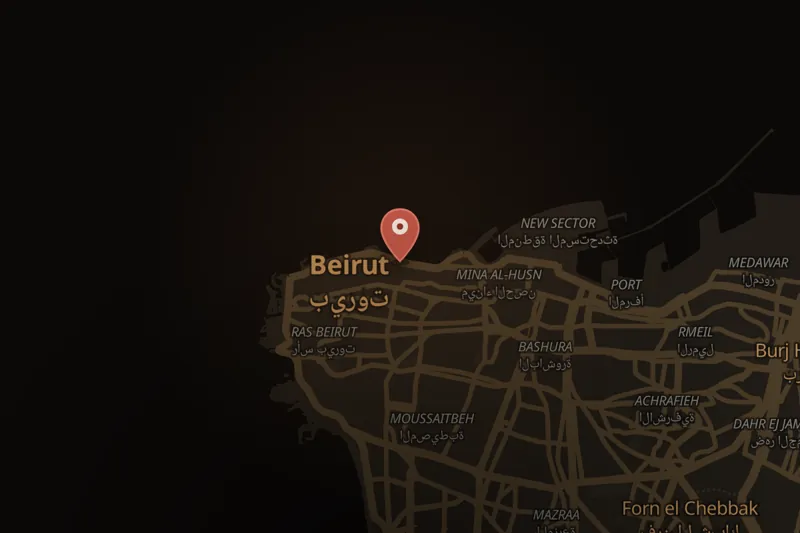
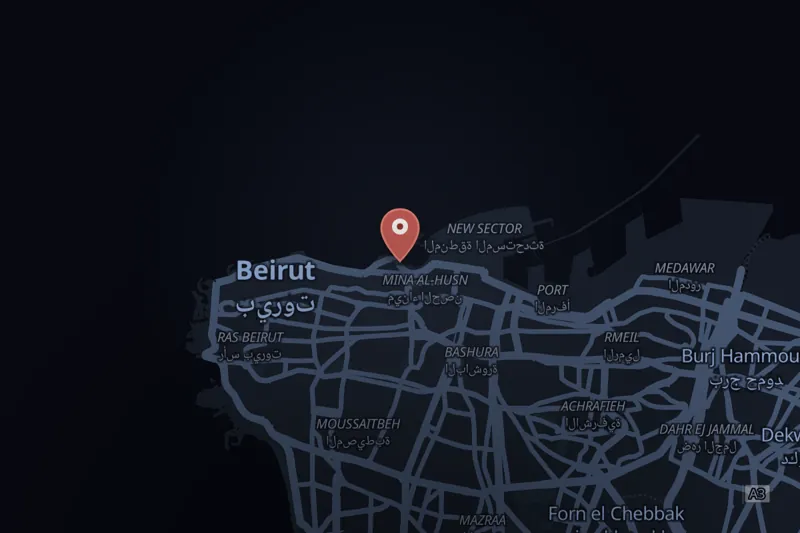
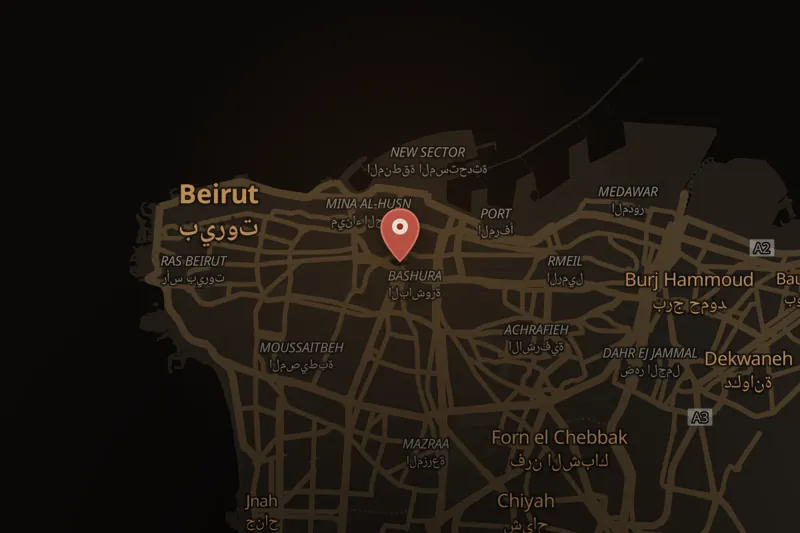
On April 18, 1983, at approximately 1:00 p.m. local time, a suicide bomber detonated a van loaded with nearly 2,000 pounds (900 kg) of explosives at the U.S. Embassy compound in Beirut, Lebanon. The van, which had originally been sold in Texas before being resold and shipped to the Gulf region, gained access to the embassy compound and exploded under the portico at the front of the building. According to a former CIA operative's account cited by Wikipedia, the van broke through an outbuilding and crashed into the lobby before detonating. The blast collapsed the central facade of the horseshoe-shaped building, was heard throughout West Beirut, and broke windows as far as a mile away.

The bombing killed 63 people: 32 Lebanese employees, 17 Americans, and 14 visitors and passers-by, with approximately 120 additional people wounded. Among the American dead were eight CIA employees, including the agency's top Middle East analyst and Near East director, Robert Ames, Station Chief Kenneth Haas, and James Lewis, along with most of the Beirut CIA staff. Other victims included William R. McIntyre, deputy director of the U.S. Agency for International Development, two of his aides, four U.S. military personnel, and American journalist and human rights advocate Janet Lee Stevens. Lebanese victims included embassy clerical workers, visa applicants, and nearby motorists and pedestrians.

A group calling itself the Islamic Jihad Organization claimed responsibility in a telephone call shortly after the blast, describing the attack as part of a campaign against "imperialist targets." The United States later came to believe the attack was carried out by Hezbollah, a characterization Hezbollah has denied; the group's spiritual leader, Mohammad Hussein Fadlallah, stated Hezbollah "stood for moderation and restraint." In 2003, Judge Royce Lamberth of the U.S. District Court in Washington, D.C., found that the bombing was carried out by Hezbollah with the approval and financing of senior Iranian officials, a ruling issued without Iranian participation in the proceedings. A subsequent default judgment awarded $123 million in damages to American victims and family members. Iran's Foreign Minister publicly denied any involvement.

International reaction included condemnation from President Ronald Reagan, condolences from Lebanese President Amine Gemayel and Israeli officials, and legislative action in the U.S. Congress approving additional aid for Lebanon. Following the attack, the embassy relocated to East Beirut, where a second bombing struck the embassy annex in September 1984, killing 22 more people. The 1983 bombing, alongside the October 1983 Marine barracks bombing, prompted a security review known as the Inman Report, leading to the creation of the State Department's Bureau of Diplomatic Security and Diplomatic Security Service.

Key facts

Victims
Kenneth Haas, Janet Lee Stevens, Robert Ames, James Lewis, William R. McIntyre
Date
1983
Location
U.S. Embassy, Beirut, Lebanon
Case status
unsolved

Case timeline

  1. 1983-04-18

    A suicide bomber detonated a van packed with explosives at the U.S. Embassy compound in Beirut, killing 63 people and wounding about 120.

  2. 1983-04-18

    The Islamic Jihad Organization claimed responsibility in a phone call to a news office; President Reagan denounced the attack.

  3. 1983-04-19

    The House Foreign Affairs Committee voted to approve $251 million in additional aid for Lebanon; Iran denied involvement.

  4. 1983-04-20

    The Senate Foreign Relations Committee approved the aid request with an amendment requiring congressional authorization for expanded U.S. military role in Lebanon.

  5. 1983-10-23

    Suicide bombings struck the U.S. Marine barracks and French paratrooper barracks in Beirut.

  6. 1984-09-20

    A car bomb exploded at the relocated U.S. Embassy annex in East Beirut, killing 20 Lebanese and two American soldiers.

  7. 2003-05-30

    Judge Royce Lamberth of the U.S. District Court in Washington, D.C., ruled that the bombing was carried out by Hezbollah with Iranian financing and approval.

  8. 2003-09-08

    Judge John Bates awarded $123 million in a default judgment to 29 American victims and family members.

Best coverage

No approved coverage links are attached yet.

People

  • Kenneth Haas

    VICTIM

    CIA Station Chief, killed in the bombing

    citation on file

  • Janet Lee Stevens

    VICTIM

    American journalist, human rights advocate, and scholar of Arabic literature, killed in the bombing

    citation on file

  • Robert Ames

    VICTIM

    CIA's top Middle East analyst and Near East director, killed in the bombing

    citation on file

  • James Lewis

    VICTIM

    CIA staff member, killed in the bombing

    citation on file

  • William R. McIntyre

    VICTIM

    Deputy director of the United States Agency for International Development, killed in the bombing

    citation on file

Places

Common questions

What happened to the victim?
A suicide car bombing destroyed the U.S. Embassy in Beirut on April 18, 1983, killing 63 people, including embassy staff, CIA personnel, U.S. military members, and Lebanese civilians. The Islamic Jihad Organization claimed responsibility; U.S. courts later attributed the attack to Hezbollah with Iranian backing, which Hezbollah has denied.
Where did the bombing happen?
U.S. Embassy, Beirut, Lebanon.
What is the current status of the case?
Status: unsolved.

Sources

  1. 1983 US embassy bombing in Beirutwikipedia · Wikipedia · 2026-07-07
  2. Contemporaneous coverage — Iran Denies Any Involvement in Bombing of U.S. Embassynews · The New York Times · 2026-07-07
  3. Contemporaneous coverage — Beirut Embassy Attack 40th Anniversarynews · cia.gov · 2026-07-07