Skip to content
Casepin

Solved case · 1922

Murder of Heikki Ritavuori

Also known as Heikki Ritavuori · Henrik Rydman

SOLVEDCONVICTED
Updated
Updated Jul 13, 2026
File:Heikki Ritavuori.jpgFile:Heikki Ritavuori.jpgCredit: valok. Atelier Rembrandt (Suomen Kuvalehti 25.2.1922)Public domainSource

The short answer

Murder of Heikki Ritavuori in brief

Heikki Ritavuori, Finland's Minister of the Interior, was shot dead at the door of his Helsinki home on 14 February 1922 after a right-wing press campaign had targeted him over his handling of the East Karelian uprising.

Key facts

Year
1922
Place
Etu-Töölö, Helsinki, Finland
Status
SOLVEDSolved
Victim
Heikki Ritavuori
Outcome
Convicted: Ernst Tandefelt

The coverage index

Where to watch & listen

No one's coverage is attached to this file yet.

Know great coverage of this case?

A documentary, a podcast episode, a careful long-form video. Suggest it and an editor will review it before it appears here.

Suggest coverage for Murder of Heikki Ritavuori

The case file

What happened

Heikki Ritavuori was born Henrik Rydman in Turku, Finland, on 23 March 1880; he fennicised his name to Heikki Ritavuori in 1905. A lawyer by training, he was elected to the Parliament of Finland from the Turku Province southern election circle in 1913 and again in 1919, representing the National Progressive Party. As chairman of Parliament's Foundation Board, he helped break a months-long deadlock between monarchists and republicans over the country's form of government by advancing his own proposal for a new governmental system; Parliament adopted it on 21 June 1919, and Finland became a republic. Ritavuori went on to serve as Minister of the Interior across two cabinets under Prime Minister J. H. Vennola, holding the post for a combined 526 days between 1919 and 1922, and was regarded as the president's closest colleague.

Ritavuori's time in office fell in the unstable years following the Finnish Civil War. He worked to protect the civil rights of former “Red” prisoners of war and supported laws to pardon them, which led right-wing critics to brand him the “red minister.” He also opposed the independent status of Finland's civil guards during a political crisis in 1921. As the minister responsible for the border guard during the East Karelian uprising of winter 1921–22, he became the target of a campaign in right-wing newspapers — built on falsified reports from Eastern Karelia — that severely damaged his public standing.

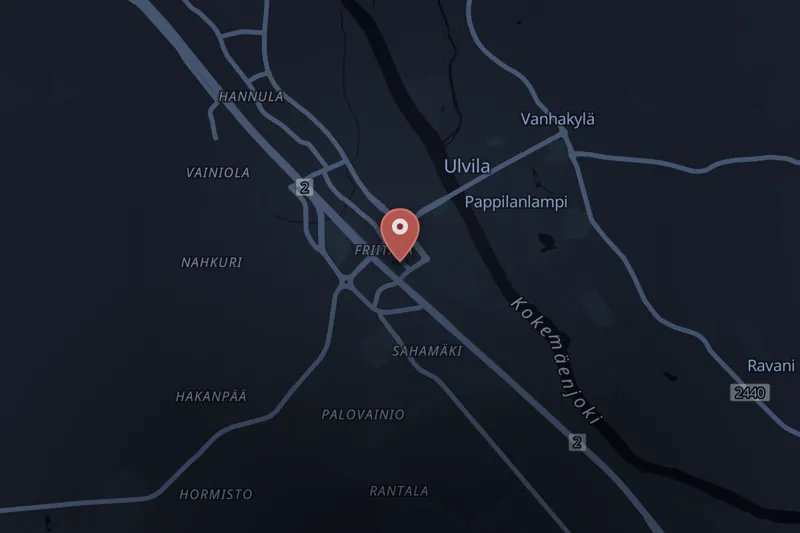
On the afternoon of 14 February 1922, a man drew attention at a Helsinki barbershop by predicting that Ritavuori would be shot at 5 p.m. that day, and that Finland's president and foreign minister would be targeted next. At about 5 p.m., as Ritavuori reached for the door handle of his home in the Etu-Töölö district, at Nervanderinkatu 11, a gunman shouted “Sisäministeri!” (“Minister of the Interior!”) and fired four shots; three struck Ritavuori, who fell dead in front of his own door. The first shot had struck the gunman's own leg, fired accidentally while the gun was still in his pocket, and the wound slowed his attempt to flee. A bystander restrained him and alerted police, and he surrendered immediately, identifying himself as Ernst Tandefelt and taking full responsibility. A witness reported that Tandefelt said, “It was Ritavuori, and you probably understand why.”

Tandefelt, a member of a noble family who was later described as having an intellectual disability, said he had concluded from newspaper coverage — particularly reporting in Hufvudstadsbladet sympathetic to Swedish-language activists — that Ritavuori posed a danger to the country. At trial he said he had acted alone; he was convicted and, with the court finding him partially insane, sentenced to twelve years of hard labor. After his conviction, Tandefelt alleged that other people, including a pharmacist and an army general, had helped plan the killing. Finland's chancellor of justice investigated the allegation between 1927 and 1930 but found no evidence to support further legal action, and no one else was charged. Some historical accounts have suggested Tandefelt may have been encouraged and supplied with the murder weapon and money by radical right-wing civil-guard activists, though this was never established in court.

7 dated entries · 1880–1927

Timeline

  1. Heikki Ritavuori (born Henrik Rydman) is born in Turku, Finland.

  2. Ritavuori fennicises his name from Henrik Rydman to Heikki Ritavuori.

  3. Ritavuori is first elected to the Parliament of Finland, from the Turku Province southern election circle.

  4. Ritavuori is re-elected to the Finnish Parliament and becomes Minister of the Interior in J. H. Vennola's first cabinet; he holds the interior ministry across two Vennola cabinets for a combined 526 days between 1919 and 1922.

  5. Based on a proposal advanced by Ritavuori as chairman of Parliament's Foundation Board, the Finnish Parliament adopts the law establishing Finland as a republic.

  6. Ritavuori is shot four times at the door of his home in Etu-Töölö, Helsinki, and dies; the gunman, Ernst Tandefelt, is restrained at the scene and surrenders to police immediately.

  7. Finland's chancellor of justice opens an investigation, running until 1930, into Tandefelt's allegations that other individuals had helped plan the assassination; the investigation finds no evidence to support further legal action.

2 named in this file

People

Victims first. Every legal label is set from public records and court outcomes, not from the prose.

  • Heikki Ritavuori

    VICTIM

    Finnish lawyer, Member of Parliament, and Minister of the Interior in J. H. Vennola's cabinets; shot dead at the door of his Helsinki home on 14 February 1922, aged 41.[3]

  • Ernst Tandefelt

    CONVICTED

    Fired the shots that killed Ritavuori and surrendered to police at the scene; convicted and sentenced to twelve years of hard labor, with the court finding him partially insane.[3]

From the record

Quick answers

Who was convicted?
Ernst Tandefelt: Fired the shots that killed Ritavuori and surrendered to police at the scene; convicted and sentenced to twelve years of hard labor, with the court finding him partially insane.

3 cited

Sources

Coverage is not a source: every fact in this file rests on the records below.

  • 2 Press
  • 1 Encyclopedic
  1. Contemporaneous coverage — digi.kansalliskirjasto.fi

    Pressdigi.kansalliskirjasto.fiAccessed Jul 12, 2026

  2. Contemporaneous coverage — valtioneuvosto.fi

    Pressvaltioneuvosto.fiAccessed Jul 12, 2026

  3. Heikki Ritavuori

    EncyclopedicWikipediaAccessed Jul 12, 2026

Trust

Record history

First published
Jul 13, 2026
Corrections
None

Are you family of someone named in this file? Corrections and removal requests from victims’ families are prioritized.