Start here
MLK: The Assassination Tapes (Full Episode)
The full The creator episode: the case told start to finish in one sitting.
Watch on YouTubeSolved case · 1968
Also known as Murder of Martin Luther King Jr.
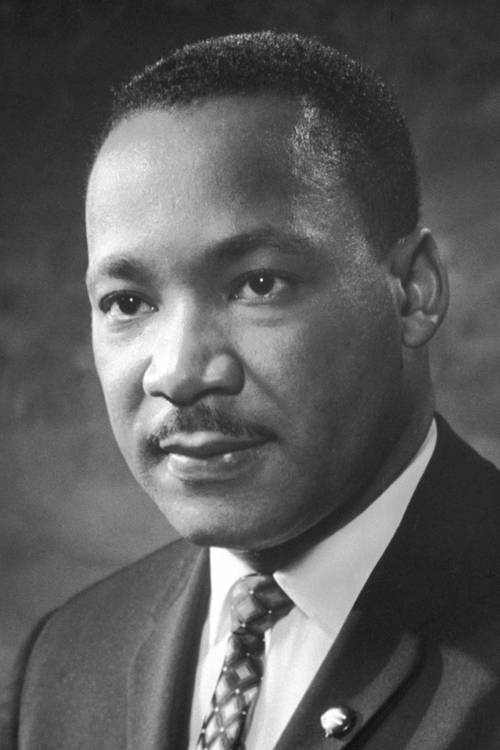 Martin Luther King Jr.Credit: New York World-Telegram & Sun / Wikimedia CommonsPublic domainSource
The short answer
On April 4, 1968, civil rights leader Martin Luther King Jr. was fatally shot on the balcony of the Lorraine Motel in Memphis, Tennessee. James Earl Ray, an escaped convict, pleaded guilty to the murder in 1969 and was sentenced to 99 years, though he later recanted. A 1999 civil jury found Loyd Jowers and unnamed others civilly liable for a conspiracy, a finding the U.
MLK: The Assassination Tapes (Full Episode)1 piece from 1 creator: ranked, with duplicates removed and short clips set aside.
Start here
The full The creator episode: the case told start to finish in one sitting.
Watch on YouTubeTitles and descriptions are the creators’ own and may not reflect current legal status. The sourced facts are in the file below. Players load only when you press play. Suggest coverage we’re missing.
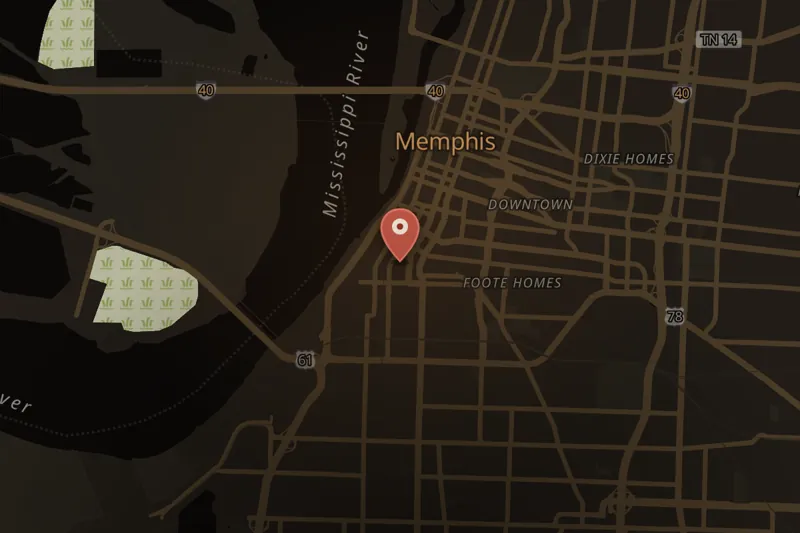
On the evening of April 4, 1968, Martin Luther King Jr., an American civil rights leader, was fatally shot while standing on the second-floor balcony of the Lorraine Motel in Memphis, Tennessee, where he was staying in support of striking Black sanitation workers. At 6:01 p.m. CST, King was struck in the right cheek by a single .30-06 rifle bullet fired from a Remington Model 760, which broke his jaw before lodging in his shoulder. He was rushed to St. Joseph's Hospital and pronounced dead at 7:05 p.m. at age 39. An autopsy conducted by Dr. Jerry Francisco determined the cause of death was hemodynamic collapse from hemorrhagic shock, resulting from a gunshot wound that severed his lower cervical and upper thoracic spinal cord.
King had traveled to Memphis to support a sanitation workers' strike prompted by unequal pay and unsafe conditions, including the deaths of two workers in a garbage-compacting truck earlier that year. The night before his death, he delivered his "I've Been to the Mountaintop" speech at the Mason Temple, referencing earlier threats on his life.
The FBI led the investigation and matched fingerprints on an abandoned rifle and binoculars to James Earl Ray, an escaped convict from the Missouri State Penitentiary who had been stalking King under false identities in the weeks before the shooting. Ray fled the country and was arrested at London's Heathrow Airport on June 8, 1968, using a false Canadian passport. He was extradited to the United States and, on March 10, 1969, pleaded guilty to King's murder, receiving a 99-year sentence in the Tennessee State Penitentiary. He recanted the plea three days later and spent the rest of his life attempting, unsuccessfully, to withdraw it and obtain a jury trial. Ray died in prison on April 23, 1998.
The assassination triggered a wave of riots in more than 100 U.S. cities, though Senator Robert F. Kennedy's remarks in Indianapolis are credited with helping prevent violence there. President Lyndon B. Johnson declared April 7, 1968, a national day of mourning. King's funeral in Atlanta drew an estimated 300,000 mourners.
The King family and others have long maintained that Ray was a scapegoat and that the assassination resulted from a broader conspiracy. In 1993, Loyd Jowers publicly claimed involvement of the mafia, Memphis police, and the federal government, alleging Ray was not the shooter. In 1999, the King family brought a wrongful-death civil suit against Jowers; a Shelby County jury found Jowers and unnamed co-conspirators civilly liable for King's death, awarding the family a symbolic $100. No government agencies were named as defendants in that suit and therefore could not present a defense. In 2000, the U.S. Department of Justice completed its own review of Jowers' allegations and concluded there was insufficient credible evidence to support the conspiracy claims, recommending no further investigation absent new facts. Many FBI investigative files remain classified.
Two Memphis sanitation workers are killed in a garbage-compacting truck accident, helping spark a strike.
King flies to Memphis to support the sanitation workers' strike.
King leads a march at Clayborn Temple in Memphis that ends in violence.
King checks into room 306 at the Lorraine Motel and delivers the 'I've Been to the Mountaintop' speech at Mason Temple.
King is fatally shot on the Lorraine Motel balcony at 6:01 p.m. and pronounced dead at St. Joseph's Hospital at 7:05 p.m.
President Lyndon B. Johnson's declared national day of mourning takes place, flags flown at half-staff.
Coretta Scott King leads a silent march of about 40,000 people through Memphis.
King's funeral is held in Atlanta, drawing an estimated 300,000 mourners.
FBI matches fingerprints on the abandoned rifle to James Earl Ray.
James Earl Ray is arrested at London's Heathrow Airport using a false Canadian passport.
Ray is extradited to Memphis.
Ray pleads guilty to King's murder and is sentenced to 99 years.
Ray and seven other convicts escape Brushy Mountain State Penitentiary; all are recaptured on June 13.
Loyd Jowers publicly claims involvement of the mafia, Memphis police, and government in King's assassination.
James Earl Ray dies in prison from liver failure caused by hepatitis C.
Civil trial Coretta Scott King et al. v. Loyd Jowers et al. begins in Shelby County, Tennessee.
Jury finds Jowers and unnamed co-conspirators civilly liable for a conspiracy to kill King, awarding the family a symbolic $100.
U.S. Department of Justice completes its review, finding no credible evidence to support the conspiracy allegations against Jowers.
President Donald Trump signs an executive order to declassify government records on King's assassination.
Victims first. Every legal label is set from public records and court outcomes, not from the prose.
Civil rights leader fatally shot at the Lorraine Motel in Memphis on April 4, 1968.[3]
Pleaded guilty on March 10, 1969 to the murder of Martin Luther King Jr. and was sentenced to 99 years; later recanted his plea and repeatedly sought a trial before his death in 1998.[3]
From the record
Coverage is not a source: every fact in this file rests on the records below.
Jul 13, 2026Source review
Source article revised on Wikipedia — flagged for re-verification
SourceAre you family of someone named in this file? Corrections and removal requests from victims’ families are prioritized.
 SOLVEDListen
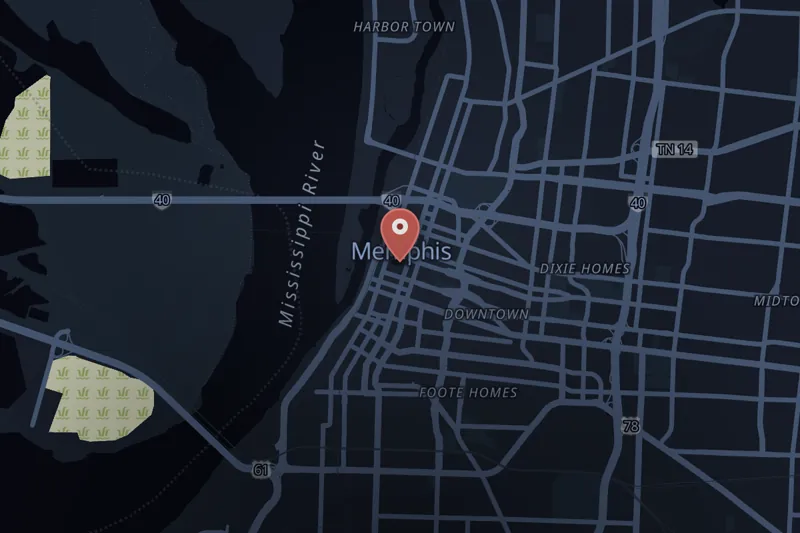
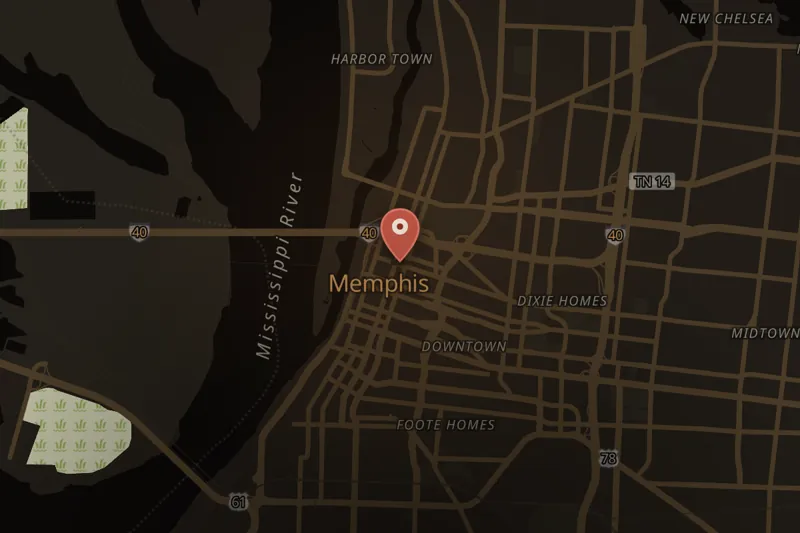
Memphis, Tennessee, United States · 2020s
Memphis teacher Eliza Fletcher was abducted while running and killed in September 2022, and Cleotha Abston later pleaded guilty to murder and kidnapping.
 UNSOLVEDListen
The Curve neighborhood, near Memphis, Tennessee · 1890s
On March 9, 1892, a white mob dragged Thomas Moss, Calvin McDowell, and Will Stewart from a Memphis, Tennessee jail and killed them, after the three Black men — co-owners and workers at the People's Grocery — were arrested following altercations with a white rival grocer and armed deputies.
Robin Hood Hills, West Memphis, Arkansas · 1990s
Three eight-year-old boys were found murdered in West Memphis, Arkansas, in 1993; three teenagers were convicted the following year in a case marked by disputed evidence, allegations of coerced confession, and claims of a Satanic motive, and were released in 2011 after entering Alford pleas.
 Credit: Associated Press (1963 press photo)Public domainSourceOVERTURNEDListen
Audubon Ballroom, Washington Heights, Manhattan, New York City · 1965
On February 21, 1965, Malcolm X was shot and killed at the Audubon Ballroom in Manhattan while preparing to address the Organization of Afro-American Unity. Three Nation of Islam members were convicted in 1966; two of them, Muhammad Abdul Aziz and Khalil Islam, were exonerated in 2021 after a reinvestigation.
Ambassador Hotel, Los Angeles, California · 1968
On June 5, 1968, U.S. Senator Robert F. Kennedy was shot by Sirhan Sirhan at the Ambassador Hotel in Los Angeles shortly after winning the California Democratic presidential primary; he died the next day. Sirhan was convicted of murder in 1969 and remains incarcerated.
 Credit: Walt Cisco, Dallas Morning NewsPublic domainSourceSOLVEDListen
Dealey Plaza, Dallas, Texas · 1963
President John F. Kennedy was fatally shot while riding in a motorcade through Dealey Plaza in Dallas, Texas, on November 22, 1963. Lee Harvey Oswald was charged with the killing but was himself murdered by Jack Ruby two days later, before facing trial.