Active case
People's Grocery lynchings

In 1889, a cooperative grocery called the People's Grocery opened in a Memphis, Tennessee neighborhood known as "the Curve." It was owned by eleven prominent African Americans, including postman Thomas Moss, a friend of Ida B. Wells and Mary Church Terrell. The store competed with an existing grocery owned by a white man, William Barrett, and racial tensions in the neighborhood grew during the following years.
On March 2, 1892, a fight broke out between a Black boy and a white boy over a game of marbles outside the People's Grocery; the altercation escalated when adults intervened, and Barrett was clubbed and identified grocery worker Will Stewart as his assailant. The next day, Barrett returned with a police officer, struck grocery worker Calvin McDowell with his revolver, and dropped the weapon; McDowell picked it up and fired at Barrett, missing him. McDowell was arrested and released on bond, and warrants were issued for Stewart and a boy involved in the marbles fight. A local judge, Julius DuBose, was quoted vowing to form a posse against Black residents of the Curve. On March 5, a Black man named John Mosby was fatally shot in an unrelated altercation at another white-owned grocery.
That same evening, six armed white men — including a sheriff and newly deputized civilians — approached the People's Grocery. Accounts differ: white newspapers said the men sought to arrest Stewart, while five Black ministers writing in the St. Paul Appeal said the men surrounded the store covertly. When the whites entered, gunfire erupted, wounding several deputies; McDowell was captured, and a Black postman shot and blinded one deputy while escaping. Authorities then deputized hundreds of white civilians who conducted house-to-house searches, arresting about forty Black residents, including Thomas Moss. Habeas corpus petitions filed on behalf of the prisoners were quashed by Judge DuBose. Although fears of a lynching initially prompted a Black militia, the Tennessee Rifles, to guard the jail, they stood down once it appeared the wounded deputies would survive.
In the early hours of March 9, 1892, roughly 75 masked men surrounded the Shelby County Jail; nine entered and removed Moss, Stewart, and McDowell, taking them to a rail yard outside Memphis, where all three were shot to death. Contemporary newspaper accounts described extensive injuries inflicted on McDowell and Stewart. Moss's reported final words urged Black residents to leave Memphis, as "there is no justice for them here."
The killings drew national coverage, including a front-page report in the New York Times, and prompted Ida B. Wells, a friend of Moss, to publish an editorial urging Black residents to leave the city — part of a broader emigration movement in which thousands of Black Memphians departed for western territories. The violence also spurred Wells to begin the investigative journalism that became her anti-lynching campaign. The People's Grocery was looted and later sold to William Barrett at a fraction of its value.

Key facts
- Victims
- Calvin McDowell, Thomas Moss, Will Stewart
- Date
- 1892
- Location
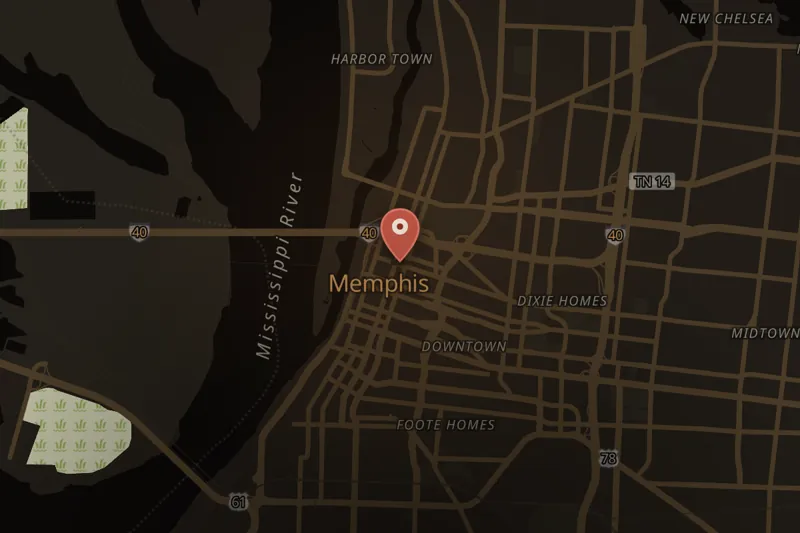
- The Curve neighborhood, near Memphis, Tennessee
- Case status
- unsolved
Case timeline
1889
The People's Grocery, a Black-owned cooperative store, opens in the Curve neighborhood outside Memphis, Tennessee.
1892-03-02
A fight over a marbles game between a Black boy and a white boy escalates into a larger altercation outside the People's Grocery; white grocer William Barrett is clubbed and identifies Will Stewart as his attacker.
1892-03-03
Barrett returns with a police officer; Calvin McDowell is struck with Barrett's revolver, picks it up, and fires at Barrett, missing him. McDowell is arrested.
1892-03-04
McDowell is released on bond; warrants are issued for Will Stewart and a boy involved in the earlier fight.
1892-03-05
Judge Julius DuBose is quoted vowing to form a posse against Black residents of the Curve. John Mosby, a Black man, is fatally shot in an unrelated altercation. That evening, armed white men approach the People's Grocery, leading to a shootout in which several deputies are wounded and Calvin McDowell is arrested.
1892-03-06
Hundreds of deputized white civilians conduct house-to-house searches in the Curve, arresting about forty Black residents including Thomas Moss.
1892-03-07
Betty Moss, Thomas Moss's pregnant wife, is turned away from the jail by Judge DuBose when she brings her husband food.
1892-03-08
Lawyers file writs of habeas corpus on behalf of jailed Black men; Judge DuBose quashes them.
1892-03-09
Roughly 75 masked men surround the Shelby County Jail; Thomas Moss, Will Stewart, and Calvin McDowell are removed and shot to death at a rail yard outside Memphis.
1892-03-10
The lynchings become front-page news in the New York Times.
Best coverage
No approved coverage links are attached yet.
People
Calvin McDowell
VICTIMWorker at the People's Grocery; arrested after a confrontation with William Barrett and later abducted from jail and killed on March 9, 1892.
Thomas Moss
VICTIMPostman and co-owner of the People's Grocery; abducted from Shelby County Jail and killed by a mob on March 9, 1892.
Will Stewart
VICTIMWorker at the People's Grocery; identified by William Barrett as an assailant and later abducted from jail and killed on March 9, 1892.
Roles reflect public records and court outcomes at the time of writing — supporting citations are on file under Sources.
Places
Common questions
- What happened to the victim?
- On March 9, 1892, a white mob dragged Thomas Moss, Calvin McDowell, and Will Stewart from a Memphis, Tennessee jail and killed them, after the three Black men — co-owners and workers at the People's Grocery — were arrested following altercations with a white rival grocer and armed deputies.
- Where did the crime happen?
- The Curve neighborhood, near Memphis, Tennessee.
- What is the current status of the case?
- Status: unsolved. Last verified July 2026.
Sources
- ENCYCLOPEDICPeople's Grocery lynchingsWikipedia · 2026-07-07
- OFFICIAL / AGENCYContemporaneous coverage — lccn.loc.govlccn.loc.gov · 2026-07-07
- PRESSContemporaneous coverage — search.worldcat.orgsearch.worldcat.org · 2026-07-07
Record history
- First published
- JUL 07, 2026
- Last verified against sources
- JUL 07, 2026