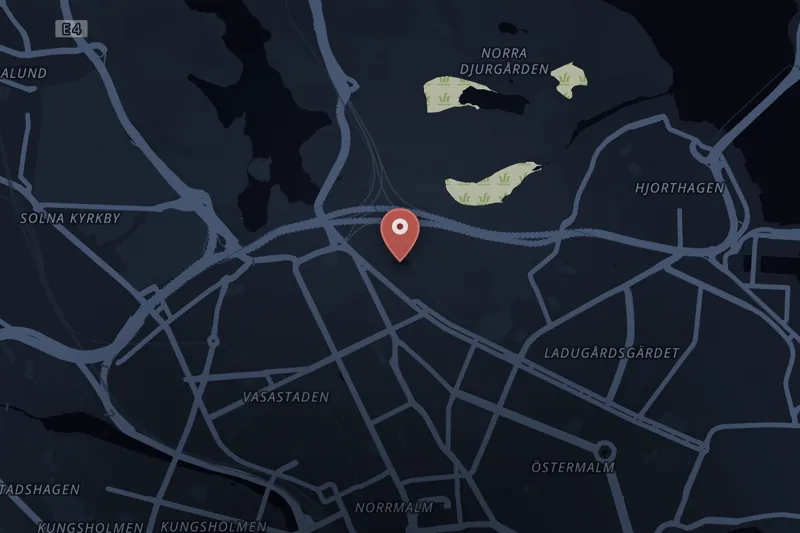
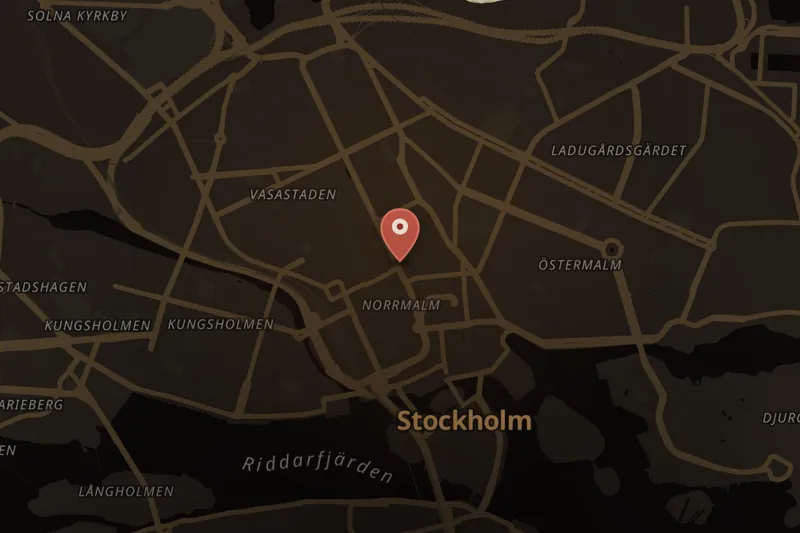
On the night of 28 February 1986, Swedish Prime Minister Olof Palme was fatally shot at close range while walking home from a cinema with his wife, Lisbeth Palme, on the central Stockholm street Sveavägen. Lisbeth Palme was slightly wounded by a second shot. The couple had no bodyguards with them at the time. Palme was pronounced dead at Sabbatsberg Hospital shortly after midnight. The gunman fled eastward on Tunnelgatan and was never definitively identified through forensic or eyewitness evidence.
The only physical evidence recovered from the scene were two .357 Magnum bullets; because the weapon was a revolver, no spent cartridge cases were left behind. Swedish police test-fired hundreds of Magnum revolvers over the following decades in an effort to identify the murder weapon, without conclusive success. Eyewitness descriptions of the assailant were inconsistent, and a police sketch circulated shortly after the murder was later determined to be based on a witness who probably had not seen the actual killer.
In December 1988, Christer Pettersson, a man with a prior manslaughter conviction, was arrested and, after being identified by Lisbeth Palme in a lineup, was convicted of Palme's murder. The conviction was overturned on appeal by the Svea Court of Appeal, citing the prosecution's failure to produce the murder weapon, the absence of a clear motive, and serious flaws in the police lineup procedure, including that Mrs. Palme had been told beforehand that the suspect was an alcoholic. A subsequent petition by the prosecutor for a new trial was denied by the Supreme Court of Sweden. Pettersson died in 2004, legally innocent of the crime, though Palme's widow and other family members reportedly remained convinced of his guilt until Lisbeth Palme's death in 2018.
The investigation, which Swedish law was amended to keep from expiring under the standard 25-year statute of limitations, continued for 34 years and accumulated roughly 700,000 pages of material at a cost of approximately SEK 350 million. On 10 June 2020, Chief Prosecutor Krister Petersson announced that Stig Engström, known as the "Skandia Man," was considered the most likely suspect, citing his past knowledge of weapons, associations with anti-Palme circles, and clothing resembling witness descriptions. No direct evidence was presented, and because Engström had died in 2000, no further judicial action was possible; the investigation was formally closed. This conclusion was widely criticized. At a press conference in December 2025, authorities announced that Engström was no longer considered the main suspect, while confirming the investigation would not be reopened.
Over the decades, numerous alternative theories were investigated or proposed, including alleged involvement by South African apartheid-era intelligence operatives, an arms-trade connection tied to the Bofors scandal and India, Chilean far-right figures, the CIA, Kurdish militant groups, and Yugoslavian security services—none of which resulted in charges. The case remains one of the most extensively investigated unsolved crimes in Swedish history.


 SOLVEDListen