Skip to content
Casepin

Solved case · 1981

Assassination of Ziaur Rahman

Also known as Ziaur Rahman Assassination · Death of Ziaur Rahman

SOLVEDCONVICTEDPERSON OF INTEREST · NOT CHARGED
Updated
Updated Jul 7, 2026
Mausoleum Complex of Ziaur Rahman 01Mausoleum Complex of Ziaur Rahman 01Credit: MD SAIFUL AMINCC BY-SA 4.0Source

The short answer

Assassination of Ziaur Rahman in brief

Bangladesh's sixth president, Ziaur Rahman, was shot dead on 30 May 1981 when a group of army officers attacked the Chittagong Circuit House where he was staying. A military court martial convicted eighteen officers, executing twelve of them; a thirteenth was later executed after recovering from wounds.

Key facts

Year
1981
Place
Chittagong Circuit House, Chittagong, Bangladesh
Status
SOLVEDSolved
Victim
Ziaur Rahman
Outcome
Convicted: Mujibur Rahman, Shah Md Fazle Hossain, Mohsin Uddin Ahmed, Jamil Haque, Mosleh Uddin, Mohammad Abdus Sattar, Rawshan Yazdani Bhuiyan, Kazi Mominul Haque, Matiur Rahman, AYM Mahfuzur Rahman, AZ Giashuddin Ahmed, M Delwar Hossain, Nawajesh Uddin, M Abdur Rashid and Mohammad Rafiqul Hassan Khan

The coverage index

Where to watch & listen

No one's coverage is attached to this file yet.

Know great coverage of this case?

A documentary, a podcast episode, a careful long-form video. Suggest it and an editor will review it before it appears here.

Suggest coverage for Assassination of Ziaur Rahman
Casepin videoAssassination of Ziaur Rahman — the full case file2 min

The case file

What happened

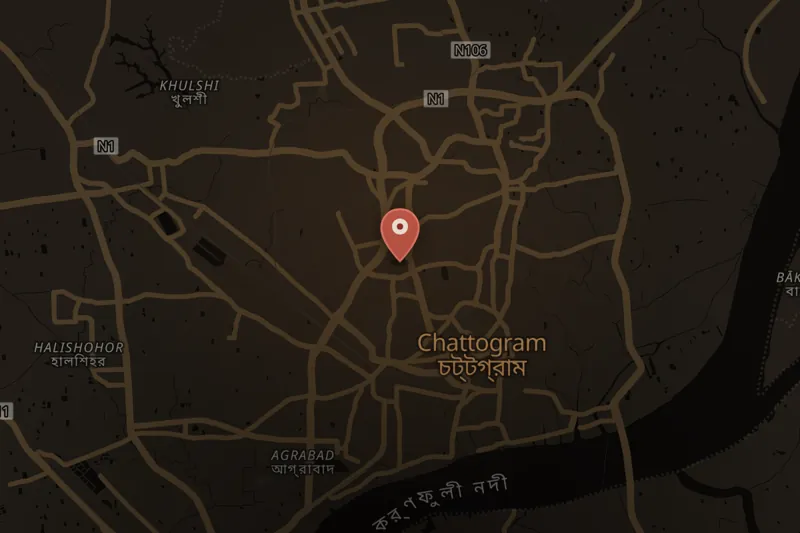
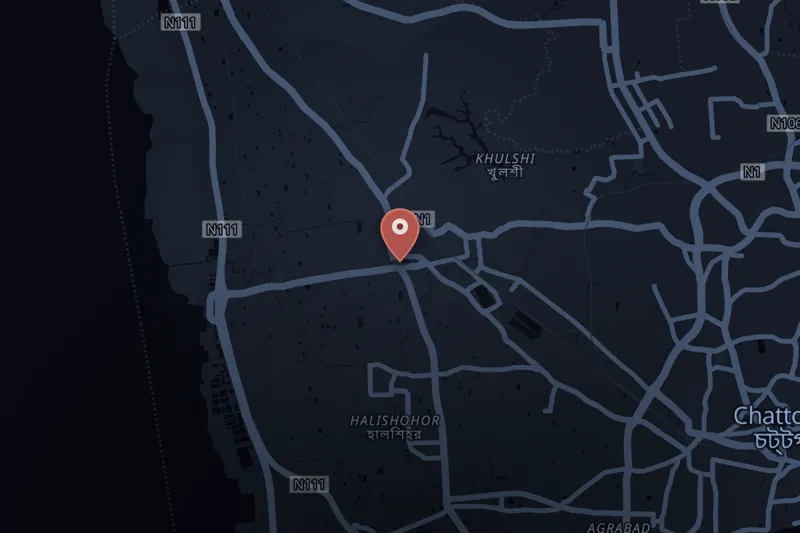
Ziaur Rahman, the sixth president of Bangladesh, was assassinated on 30 May 1981 in Chittagong by a group of army officers. He had traveled to the port city to mediate a dispute between local leaders of his political party, the Bangladesh Nationalist Party (BNP), and was staying at the government-owned Chittagong Circuit House when the attack occurred.

According to accounts drawn from journalist Anthony Mascarenhas's book *Bangladesh: A Legacy of Blood*, the plot was set in motion by Lt. Colonel Matiur Rahman, who reportedly held Zia and the army leadership responsible for political and economic problems in the country. Plans accelerated after Matiur learned, via a fellow officer serving as Zia's personal staff officer, that Zia intended to transfer Major General Abul Manzur out of Chittagong and that Zia himself planned to visit the city on 29 May.

In the early hours of 30 May, conspirators organized into three groups; two were assigned to attack the Circuit House while a third was to intercept anyone attempting to flee. Sixteen officers took part, armed with submachine guns, rocket launchers, and grenade-firing rifles; enlisted soldiers reportedly refused to participate. At around 4 a.m., rockets were fired into the building, guards were killed, and officers searched the building room by room. Zia was located, and Lt. Colonel Matiur Rahman shot him at close range with a submachine gun, continuing to fire after Zia fell. The attack on the Circuit House lasted under 20 minutes.

In the aftermath, Major General Abul Manzur broadcast statements from Chittagong Radio announcing a revolutionary council and dismissing the sitting army chief, but Hussain Muhammad Ershad, Chief of Army Staff, remained loyal to the government, which ordered troops to suppress the uprising. Matiur Rahman and another officer were shot dead while attempting to flee. General Manzur had surrendered peacefully and was killed within hours while still in army custody; the government stated he was killed by an "enraged mob," though an autopsy reportedly showed a gunshot wound to the back of the head. He was never tried, and the allegation that he had conspired in Zia's assassination was never established in any court.

A military court martial, chaired by Major General Abdur Rahman, began at Chittagong Central Jail on 10 July 1981 and concluded on 28 July 1981. Eighteen officers were tried; thirteen were sentenced to death and five received prison terms. Twelve were executed following the trial, and a thirteenth officer was executed roughly two years later after recovering from wounds sustained during the assassination. Additional officers were expelled from the army, and at least two named suspects were reported to have remained fugitives, with one reported to have died in 1993.

Following Zia's death, Vice President Abdus Sattar became Acting President and was later elected in a December 1981 vote before being removed in a bloodless coup led by Ershad in March 1982.

11 dated entries · 1977–1993

Timeline

  1. Ziaur Rahman assumes the presidency of Bangladesh.

  2. Lt. Colonel Matiur Rahman complains to a fellow officer about grievances with the government and the BNP, according to Anthony Mascarenhas's account.

  3. Matiur Rahman learns of Zia's plan to transfer Major General Abul Manzur, and reportedly discusses a plan to assassinate Zia.

  4. Conspirators, led by Colonel Matiur Rahman, hold a late-night meeting to organize the attack.

  5. Ziaur Rahman is shot and killed during an armed assault on the Chittagong Circuit House.

  6. Officers implicated in the assassination begin to be arrested (arrests continued through 3 June).

  7. Court martial of eighteen officers begins at Chittagong Central Jail.

  8. Court martial concludes; thirteen officers sentenced to death, five to prison terms.

  9. Acting President Abdus Sattar is elected in a popular vote.

  10. Abdus Sattar is deposed in a bloodless coup led by Hussain Muhammad Ershad.

  11. Fugitive Major S.M. Khaled reported to have died.

17 named in this file

People

Victims first. Every legal label is set from public records and court outcomes, not from the prose.

  • Ziaur Rahman

    VICTIM

    President of Bangladesh, shot and killed at the Chittagong Circuit House on 30 May 1981.[3]

  • AYM Mahfuzur Rahman

    CONVICTED

    Lt. Colonel and Zia's personal staff officer, sentenced to death by court martial and executed for his role in informing Matiur Rahman of Zia's travel plans and participating in the plot.[3]

  • AZ Giashuddin Ahmed

    CONVICTED

    Major sentenced to death by court martial and executed.[3]

  • Jamil Haque

    CONVICTED

    Captain sentenced to death by court martial and executed.[3]

  • Kazi Mominul Haque

    CONVICTED

    Major sentenced to death by court martial and executed.[3]

  • M Abdur Rashid

    CONVICTED

    Colonel sentenced to death by court martial and executed.[3]

  • M Delwar Hossain

    CONVICTED

    Lt. Colonel sentenced to death by court martial and executed.[3]

  • Matiur Rahman

    CONVICTED

    Lt. Colonel identified as lead organizer of the attack; shot dead while fleeing before facing trial, per the article's account.[3]

  • Mohammad Abdus Sattar

    CONVICTED

    Captain sentenced to death by court martial and executed.[3]

  • Mohammad Rafiqul Hassan Khan

    CONVICTED

    Lieutenant sentenced to death and executed approximately two years after the assassination, following treatment for wounds; he later claimed he acted on orders without knowledge of the mission's purpose.[3]

  • Mohsin Uddin Ahmed

    CONVICTED

    Brigadier sentenced to death by court martial and executed for involvement in the assassination.[3]

  • Mosleh Uddin

    CONVICTED

    Lieutenant given a life sentence by court martial; as of 2010 reported to be living in the United States.[3]

  • Mujibur Rahman

    CONVICTED

    Major sentenced to death by court martial and executed.[3]

  • Nawajesh Uddin

    CONVICTED

    Colonel sentenced to death by court martial and executed.[3]

  • Rawshan Yazdani Bhuiyan

    CONVICTED

    Major sentenced to death by court martial and executed.[3]

  • Shah Md Fazle Hossain

    CONVICTED

    Lt. Colonel who reportedly launched the initial rocket attack on the Circuit House; sentenced to death by court martial and executed.[3]

  • Abul Manzur

    PERSON OF INTEREST · NOT CHARGED

    Officially named a person of interest by Bangladeshi authorities; not charged. He led the 24th Infantry Division's mutiny that followed Ziaur Rahman's May 1981 assassination, and the government accused him of conspiring in the killing — an allegation never proven at any trial. He surrendered to army custody and was executed within about 12 hours, without ever facing a court martial or other legal proceeding.[3]

From the record

Quick answers

Who were convicted?
Mujibur Rahman: Major sentenced to death by court martial and executed. Shah Md Fazle Hossain: Lt. Colonel who reportedly launched the initial rocket attack on the Circuit House; sentenced to death by court martial and executed. Mohsin Uddin Ahmed: Brigadier sentenced to death by court martial and executed for involvement in the assassination. Jamil Haque: Captain sentenced to death by court martial and executed. Mosleh Uddin: Lieutenant given a life sentence by court martial; as of 2010 reported to be living in the United States. Mohammad Abdus Sattar: Captain sentenced to death by court martial and executed. Rawshan Yazdani Bhuiyan: Major sentenced to death by court martial and executed. Kazi Mominul Haque: Major sentenced to death by court martial and executed. Matiur Rahman: Lt. Colonel identified as lead organizer of the attack; shot dead while fleeing before facing trial, per the article's account. AYM Mahfuzur Rahman: Lt. Colonel and Zia's personal staff officer, sentenced to death by court martial and executed for his role in informing Matiur Rahman of Zia's travel plans and participating in the plot. AZ Giashuddin Ahmed: Major sentenced to death by court martial and executed. M Delwar Hossain: Lt. Colonel sentenced to death by court martial and executed. Nawajesh Uddin: Colonel sentenced to death by court martial and executed. M Abdur Rashid: Colonel sentenced to death by court martial and executed. Mohammad Rafiqul Hassan Khan: Lieutenant sentenced to death and executed approximately two years after the assassination, following treatment for wounds; he later claimed he acted on orders without knowledge of the mission's purpose.

3 cited

Sources

Coverage is not a source: every fact in this file rests on the records below.

  • 2 Press
  • 1 Encyclopedic
  1. Bangladesh Reports Death of President Ziaur Rahman

    PressThe New York TimesAccessed Jul 7, 2026

  2. On This Day: Bangladesh president assassinated

    PressBBC NewsAccessed Jul 7, 2026

  3. Assassination of Ziaur Rahman

    EncyclopedicWikipediaAccessed Jul 7, 2026

Trust

Record history

First published
Jul 7, 2026
Corrections
None

Are you family of someone named in this file? Corrections and removal requests from victims’ families are prioritized.