Overview
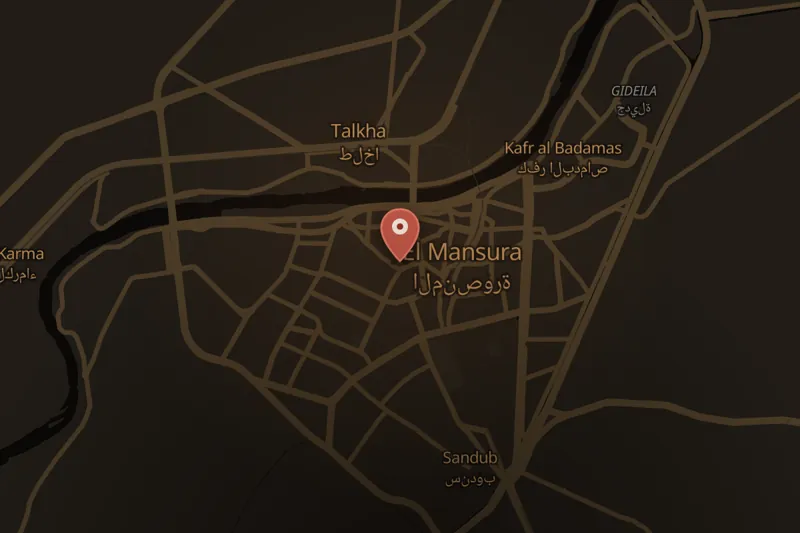
On the morning of 8 April 1970, at approximately 9:20 am, Israeli Air Force F-4 Phantom II fighter bombers struck the primary school in Bahr el-Baqar, a village in Egypt's eastern Sharqia province, south of Port Said. The school, a single-floor building consisting of three classrooms, was hit by five bombs and two air-to-ground missiles. Of the 130 children attending the school that day, 46 were killed and more than 50 were wounded. The school building was completely demolished.
Context
The attack occurred during the War of Attrition (1967–1970), a period of sustained hostilities along the Suez Canal between Egypt and Israel following the 1967 Six-Day War. It formed part of Israel's Operation Priha, a campaign of "deep penetration" airstrikes intended to relieve pressure on the front line at the Suez Canal by striking targets deep inside Egyptian territory, with the stated aim of pressuring Egyptian President Gamal Abdel Nasser into accepting a truce. The Bahr el-Baqar bombing followed an earlier strike on a factory in Abu Zaabal, in which 80 civilian workers were killed — an attack Israel also described as a mistake.
Aftermath and disputed characterization
The bombing produced starkly divergent accounts of intent. Egyptian and Arab sources characterized the strike as a deliberate massacre and war crime aimed at forcing a ceasefire. Israeli and Western sources described it as a human error, attributing it to a mistaken belief that the school building was an Egyptian military installation.
Israeli officials defended the strike publicly. Then-Defense Minister Moshe Dayan stated, "We have checked and re-checked and there was no mistake this time," and suggested, "Maybe the Egyptians put elementary students in a military base." Israel's UN envoy Yosef Tekoah also defended the attack.
On the Egyptian side, commander Abdelatim Ramadan stated that two targets were hit by Israeli forces that day: a group of military bases roughly 30 km from the Suez Canal that had previously been targeted on the night of 18–19 December 1969, and the Bahr El-Baqar primary school itself. Local townspeople denied any military presence in the area at the time of the bombing.
The attack is considered to have been a contributing factor in Israel's subsequent decision to suspend further deep-penetration strikes originally planned under Operation Priha. In 2016, reports circulated regarding prospective reimbursements tied to the historical killings, framed as part of efforts to further Egypt–Israel relations.


 Credit: ILevi53CC BY-SA 4.0SourceSOLVEDListen