In February 1849, Dimick B. Huntington spoke with Timpanogo leader Little Chief about missing settler cattle. Little Chief identified Roman Nose and Blue Shirt as men who had been living off settlers' cattle through the winter and reportedly suggested the Mormons should kill them, possibly out of concern that his own people would be blamed for the losses.
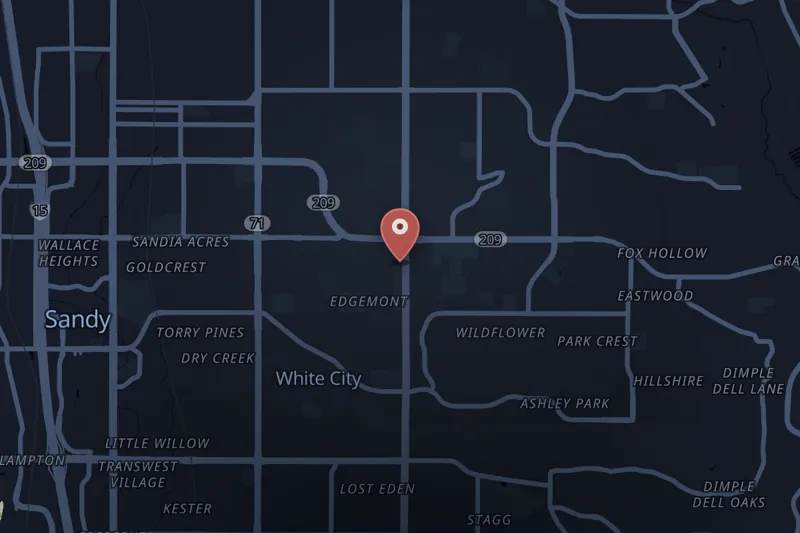
On March 1, 1849, Captain John Scott led fifty militiamen into Utah Valley to investigate the reported theft of horses from Brigham Young's herd, under orders to take measures to end Indian "depredations." The company camped near Little Cottonwood Canyon, where they learned the horses had not actually been stolen. Despite this, they received orders from Salt Lake City to proceed with action against the Indians over cattle killings, as originally directed. On March 2, the militia continued to Willow Creek (later Draper, Utah) and killed a cow from a herd they encountered, then moved on to camp near the Jordan River, where they again learned the horses had been returned — the third such report. They were nonetheless ordered to continue the mission.
On March 3, Scott's men traveled along the Provo River and questioned Little Chief's camp about the location of the men accused of theft. Little Chief agreed to help, and his two sons guided the militia to the camp near Battle Creek Canyon, where the men prepared an ambush for dawn.
On March 5, the militia divided into four groups and surrounded the encampment before dawn. After a verbal exchange in which the Timpanogos told the settlers to leave and the settlers demanded surrender, gunfire broke out, immediately killing the group's leader. Women and children fled into a cold stream, where militiamen threw rocks into nearby brush to force them out and lit a fire as a signal. One young woman persuaded Huntington to spare her teenage brother, who ultimately surrendered the group's single firearm. The three remaining Timpanogo men fled but were pursued and killed by the militia. Little Chief and his men arrived after hearing gunfire and denounced the killings, warning that the captured boy would seek revenge on a white man in the future.
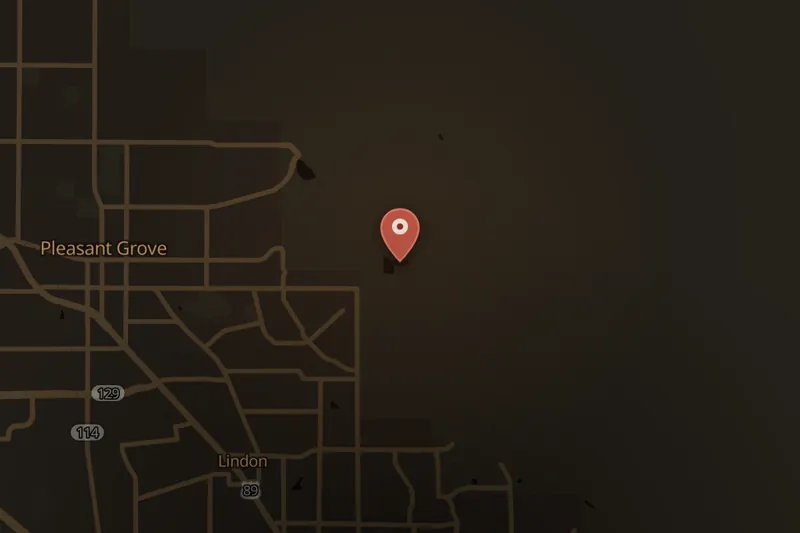
Most accounts describe four Native American men killed, though Oliver B. Huntington stated at least seven died. Surviving women and children returned to Salt Lake City with the militia; some later settled among the Mormon community, while others rejoined their people. On March 10, 1849, Brigham Young called for 30 families to settle Utah Valley near the massacre site, in an area subsequently named Battle Creek before later being renamed Pleasant Grove. According to accounts relayed by mountain man Joshua Terry to writer Howard R. Driggs, the captured boy grew up to become Ute war chief Antonga Black Hawk, who later told Terry he never understood why settlers had killed his people and that the event left him with lasting bitterness. Local Timpanogos leaders Old Elk and Stick-in-the-Head reportedly witnessed the killings, contributing to distrust that influenced later conflict at the Battle at Fort Utah.

 Credit: Ben P LCC BY-SA 2.0SourceSOLVEDListen