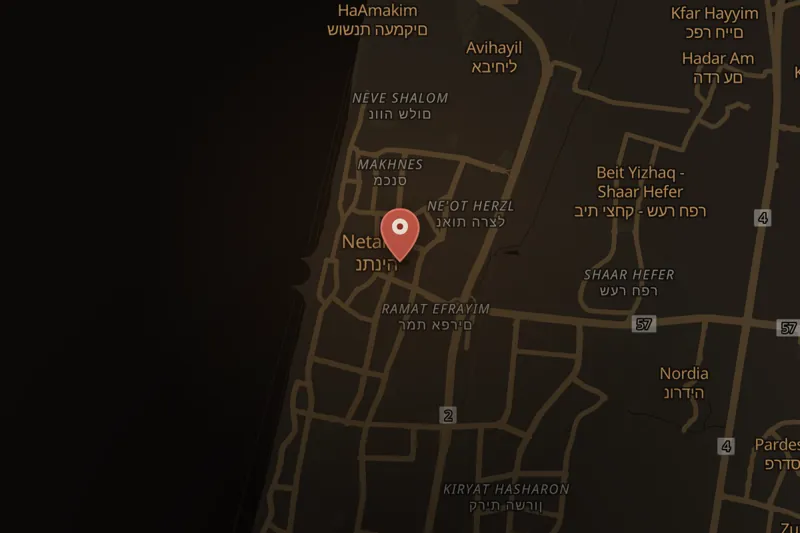
On the morning of January 22, 1995, at approximately 9:30 am, a bus stop at the Beit Lid junction in central Israel was crowded with soldiers returning to their bases after weekend leave. A suicide bomber disguised as an Israeli soldier walked into the crowd and detonated an explosives belt. About three minutes later, a second suicide bomber detonated a second device at the same location, killing and injuring people who had been wounded in the first blast as well as bystanders who had rushed in to help. In total, 21 soldiers and one civilian were killed. This was the first suicide attack carried out by the Palestinian Islamic Jihad.
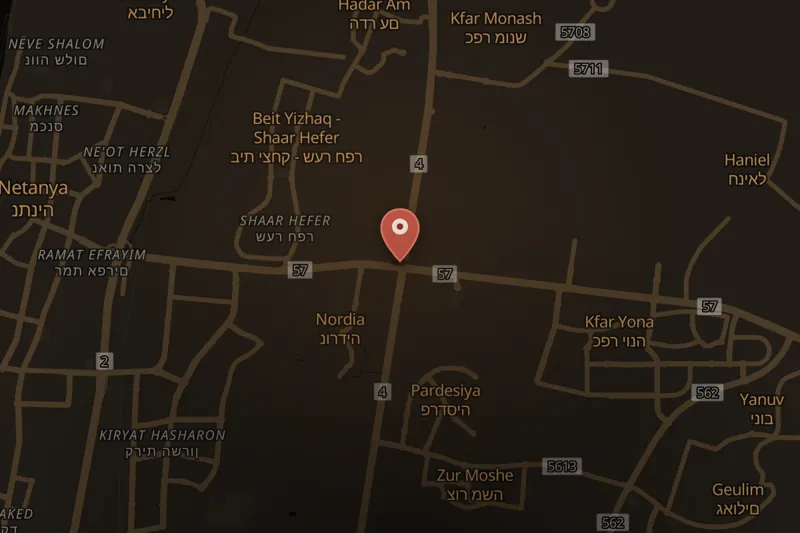
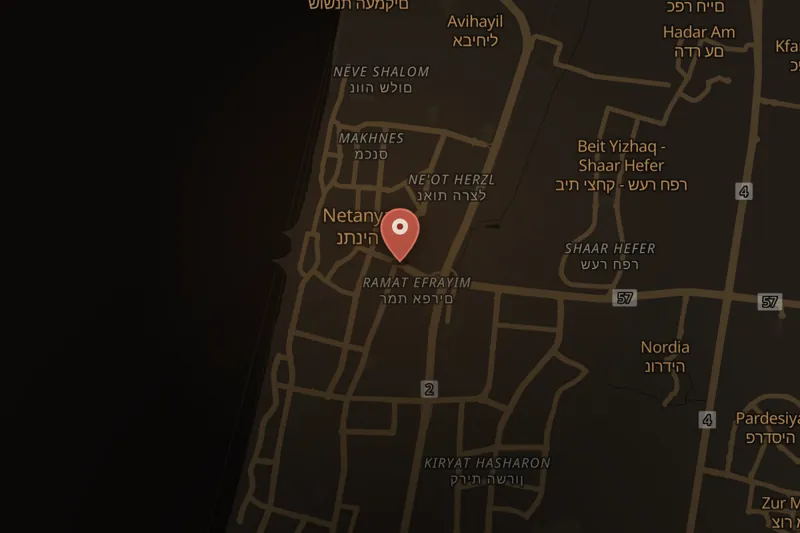
The Beit Lid junction was a well-known crossroads on Highway 4 between Tel Aviv and Haifa, a major waypoint toward Netanya. On Sunday mornings the area was typically filled with thousands of young soldiers and reservists returning to duty. Ashmoret Prison, located in the southwest corner of the junction, was at the time holding Hamas founder Ahmed Yassin.
According to the account, the bombs used in the attack were built by Hamas's bombmaker Yahya Ayyash, who had previously formed an operational alliance with Palestinian Islamic Jihad operative Hani Abed in 1994 (Abed was later assassinated by Israel). Each of the three bombs prepared for the attack was constructed from a foot-long, eight-inch-wide plumber's pipe packed with five kilograms of military-grade TNT and surrounded by nails.
A third bomb, intended for use by a third suicide bomber who never reached the junction, was left behind in a kit bag. Israeli Prime Minister Yitzhak Rabin toured the bombing site the day after the attack and walked within yards of this bag without it being immediately identified as a threat. The unused bomb had reportedly been intended for an attempt on Rabin's life and on the Shabak (Israeli internal security) agents accompanying him. The device was later recovered and provided investigators with further evidence implicating Ayyash in the attack.


 SOLVEDListen