Skip to content
Casepin

Unsolved case · 1943

Death of an Unidentified Woman in the Wych Elm (Hagley Wood, 1943)

Also known as Who Put Bella in the Wych Elm? · Hagley Wood murder

UNSOLVED
Updated
Updated Jul 5, 2026
Bella graffitiBella graffitiCredit: David Buttery (Loganberry (Talk))Public domainSource

The short answer

Death of an Unidentified Woman in the Wych Elm (Hagley Wood, 1943) in brief

In April 1943, four boys discovered the skeletal remains of an unidentified woman hidden inside a hollow wych elm tree in Hagley Wood, Worcestershire. Forensic examination indicated she had been dead since at least October 1941 and had suffocated, but she has never been identified and the case remains unsolved.

Key facts

Year
1943
Place
Hagley Wood, near Wychbury Hill, Hagley, Worcestershire, England
Status
UNSOLVEDUnsolved
Victim
Unidentified Woman ("Bella")
Outcome
No conviction on file

The coverage index

Where to watch & listen

No one's coverage is attached to this file yet.

Know great coverage of this case?

A documentary, a podcast episode, a careful long-form video. Suggest it and an editor will review it before it appears here.

Suggest coverage for this case

The case file

What happened

Discovery

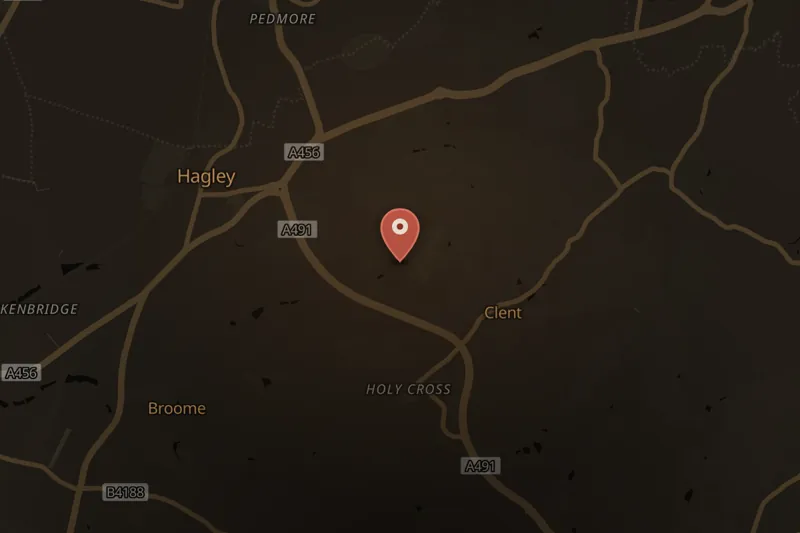
On 18 April 1943, four local boys — Robert Hart, Thomas Willetts, Bob Farmer and Fred Payne — were poaching or bird-nesting in Hagley Wood, part of an estate belonging to Lord Cobham near Wychbury Hill, Worcestershire. While climbing a large wych elm to search for birds' nests, Farmer looked into the hollow trunk and discovered a human skull, at first mistaking it for an animal's. The boys initially told no one, fearing consequences for trespassing, but the eldest, Willetts, later reported the find to his parents.

Investigation

Police who examined the tree found an almost complete skeleton along with a shoe, a gold wedding ring, and fragments of clothing. Some distance from the tree, the remains of a hand were also recovered. The remains were examined by Birmingham-based Home Office pathologist James Webster, who determined the remains were female and that she had been dead for at least 18 months, placing her death in or before October 1941. Webster found a section of taffeta in her mouth, indicating she had died from suffocation, and concluded from measurements of the trunk that the body must have been placed there while "still warm," before rigor mortis set in. Despite cross-referencing missing-persons reports and contacting area dentists about her distinctive dental pattern, police were unable to identify her, in part due to the high volume of wartime missing-persons records.

In the twenty-first century, a case review by West Mercia Police was closed in 2014. A 2018 television programme featured a forensic facial reconstruction from photographs of the skull, produced by Liverpool John Moores University's "Face Lab" and commissioned by author Andrew Sparke. In May 2023, the BBC launched an appeal to museums to help locate the victim's remains — which had been held in Birmingham City Police's "black museum" until the late 1960s or early 1970s — with a view to DNA analysis, in conjunction with a BBC podcast on the case.

Graffiti and public interest

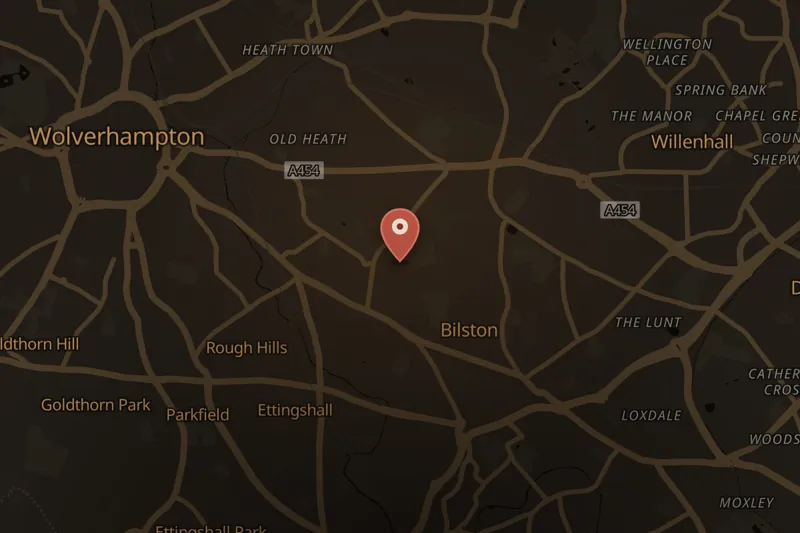
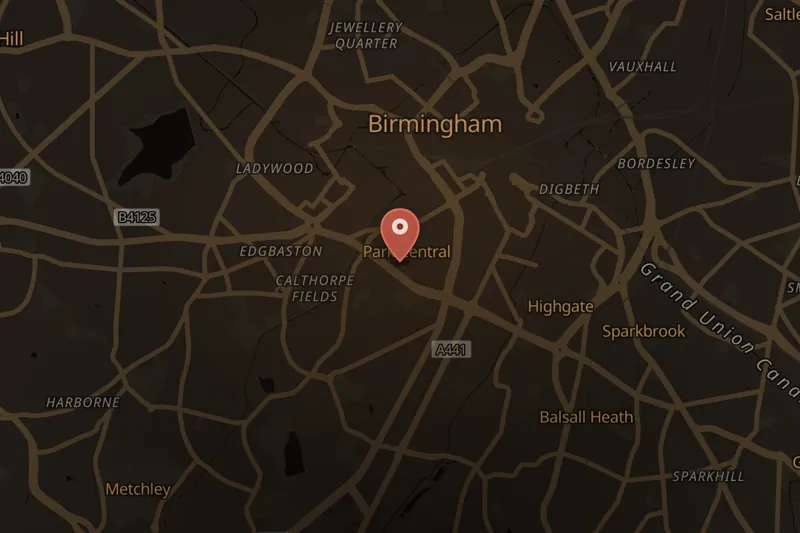
Starting in 1944, graffiti referencing the case began appearing on walls near Hagley, including "Who put Luebella down the wych elm?" in Old Hill and "Who put Bella down the wych elm, Hagley Wood?" in Birmingham. Because the writing was too high to have been done by children, investigators took it seriously as a possible lead. Similar graffiti has periodically reappeared on the Hagley Obelisk since at least the 1970s, including a 1999 variant referencing "witch elm" and a 2020 alteration.

Theories

Several theories about the victim's identity have circulated without resolution, including reports of a missing sex worker known as "Bella," a 1953 police statement from Una Mossop describing an alleged confession by her ex-husband, a theory linking the case to a German espionage agent's associate, and a 1945 proposal by anthropologist Margaret Murray connecting the case to occult ritual. None of these theories have been substantiated with confirmed evidence, and the woman's identity remains unknown.

Cultural legacy

The case has inspired numerous artistic works, including a 2003 chamber opera, stage plays, a 2017 film, a 2018 novel, and various podcasts and documentaries referencing the unsolved mystery.

10 dated entries · 1941–2023

Timeline

  1. Estimated latest possible time of death of the unidentified woman, based on forensic examination.

  2. Four boys discover a human skull inside a hollow wych elm in Hagley Wood; police subsequently recover an almost-complete skeleton, a gold wedding ring, clothing fragments, a shoe, and a separately located hand.

  3. Graffiti referencing 'Bella' and the wych elm begins appearing on walls near Hagley and Birmingham.

  4. Anthropologist Margaret Murray proposes a witchcraft/occult ritual theory regarding the case.

  5. Una Mossop gives a statement to police describing an alleged confession by her late ex-husband Jack Mossop.

  6. Graffiti on the Hagley Obelisk is modified to reference a 'witch elm' theory.

  7. A case review by West Mercia Police is closed; BBC Radio 4 broadcasts a programme exploring possible victim identities.

  8. A television programme features a forensic facial reconstruction of the skull commissioned by author Andrew Sparke.

  9. Graffiti on the Hagley Obelisk is altered again, replacing 'who' with 'hers'.

  10. The BBC launches an appeal to museums to locate the victim's remains for possible DNA analysis, alongside a podcast on the case.

1 named in this file

People

Victims first. Every legal label is set from public records and court outcomes, not from the prose.

  • Unidentified Woman ("Bella")

    VICTIM

    Unidentified female whose remains were found inside a wych elm in Hagley Wood in 1943; cause of death determined to be suffocation.[3]

3 cited

Sources

Coverage is not a source: every fact in this file rests on the records below.

  • 2 Press
  • 1 Encyclopedic
  1. Contemporaneous coverage of the Hagley Wood case

    PressThe IndependentAccessed Jul 5, 2026

  2. Contemporaneous coverage of the Hagley Wood case

    PressBBC NewsAccessed Jul 5, 2026

  3. Who put Bella in the wych elm?

    EncyclopedicWikipediaAccessed Jul 5, 2026

Trust

Record history

First published
Jul 5, 2026
Last verified against sources
Jul 5, 2026
Corrections
None

Are you family of someone named in this file? Corrections and removal requests from victims’ families are prioritized.