In 1827–1828 Edinburgh, demand for cadavers for anatomical study far outstripped the legal supply, which under Scottish law was restricted to the bodies of executed prisoners, suicides, and foundlings or orphans. This shortage fuelled a trade in bodies illegally exhumed by "resurrection men," and families increasingly protected graves with mortsafes and watchtowers. Anatomist Robert Knox, who had built a large and successful anatomy lecture practice in Edinburgh, was among those purchasing cadavers with few questions asked.
William Burke, an Irish-born labourer and cobbler, lodged with his partner Helen McDougal at a house in Tanner's Close run by William Hare and Hare's partner Margaret Laird. When a lodger named Donald died owing rent in November 1827, Hare and Burke sold his body to Knox for £7 10s. After this transaction, Hare's household turned to killing lodgers who were ill, elderly, or otherwise vulnerable, smothering them to leave few marks and selling the bodies to Knox, typically for £8 to £10 each. Victims included a miller, a salt-seller named Abigail Simpson, two women named Mary Paterson and Janet Brown's companion, an elderly woman and her deaf grandson, a washerwoman, a relative of McDougal's, and James Wilson, a well-known disabled Edinburgh man called "Daft Jamie." In total, sixteen people were killed over about ten months, most through suffocation carried out by Hare while Burke restrained the victim.
The murders were uncovered when lodgers Ann and James Gray discovered the body of the final victim, Margaret Docherty, hidden in straw at Burke's lodging on 1 November 1828, and alerted police. Docherty's body was recovered from Knox's dissecting rooms. A forensic examination by police surgeon Alexander Black and later specialists Robert Christison and William Newbigging concluded that suffocation was probable but could not be medically proven. Burke, McDougal, Hare, and Margaret Laird were arrested. Because evidence against any single suspect was limited, the Lord Advocate offered Hare immunity from prosecution in exchange for a full confession implicating the others; his wife was also exempted since a spouse could not be compelled to testify against another. Hare confessed to all sixteen deaths, and formal murder charges were brought against Burke and McDougal for three killings: those of Mary Paterson, James Wilson, and Margaret Docherty.
At trial before the High Court of Justiciary, which opened on Christmas Eve 1828 and ran through the night, the indictment was split so that only the Docherty charge was tried first. On Christmas Day 1828 the jury found Burke guilty of murdering Docherty; the same charge against McDougal was found not proven, a Scottish verdict of acquittal. Burke was sentenced to death, his corpse ordered to be publicly dissected. He was hanged on 28 January 1829 before a large crowd, and his skeleton remains on display at the Anatomical Museum of the Edinburgh Medical School. Hare was released in February 1829 and left Edinburgh; his later fate is unknown. Knox faced no charges — Burke's statement exonerated him — though a committee of inquiry examined his conduct and public opinion largely blamed him. The case contributed to the passage of the Anatomy Act 1832 in Britain, which reformed the legal supply of bodies for medical dissection.

Key facts
- Victims
- Mary Paterson, Abigail Simpson, James Wilson, Margaret Docherty
- Date
- 1828
- Location
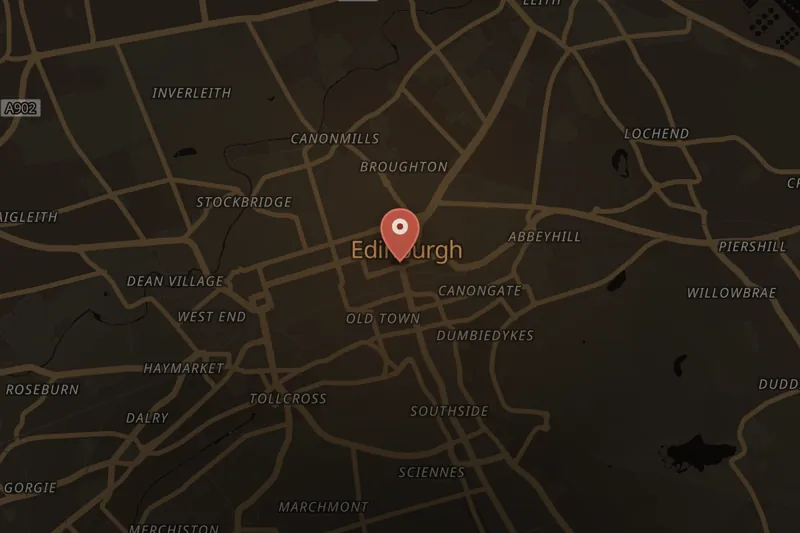
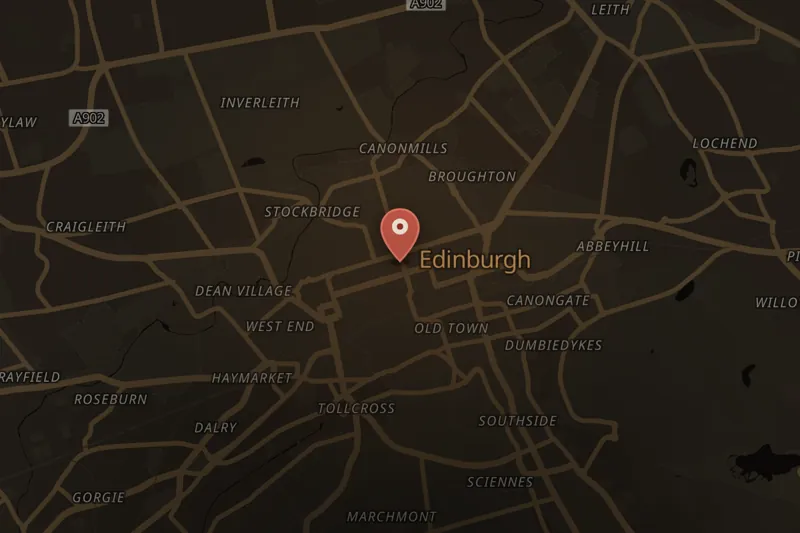
- West Port, Edinburgh, Scotland
- Case status
- solved
Case timeline
1827-11
Burke and McDougal move to Tanner's Close, Edinburgh; lodger Donald dies and his body is sold by Burke and Hare to Robert Knox.
1828-02-12
Abigail Simpson murdered by Burke and Hare, the only exact date given in Burke's confession for an individual killing.
1828-11
James Wilson ('Daft Jamie') murdered by Burke and Hare.
1828-10-31
Margaret Docherty, the final victim, is murdered.
1828-11-01
Lodgers Ann and James Gray discover Docherty's body and alert police.
1828-11-03
Warrant issued for detention of Burke, Hare, and their wives.
1828-12-01
Hare offered immunity from prosecution in exchange for turning king's evidence.
1828-12-04
Formal murder charges laid against Burke and McDougal for the deaths of Mary Paterson, James Wilson, and Margaret Docherty.
1828-12-24
Trial begins at the High Court of Justiciary in Edinburgh.
1828-12-25
Jury finds Burke guilty of murdering Docherty; verdict against McDougal recorded as not proven.
1829-01-03
Burke gives a second, more detailed confession.
1829-01-19
Margaret Laird (Hare's wife) released from custody.
1829-01-28
William Burke hanged in Edinburgh.
1829-02-01
Burke's corpse publicly dissected by Professor Monro.
1829-02-05
William Hare released from custody and leaves Edinburgh; his later fate is unknown.
Best coverage
No approved coverage links are attached yet.
People
Mary Paterson
VICTIMMurdered by Burke and Hare in April 1828 after being brought to Burke's lodging.
William Burke
CONVICTEDFound guilty of the murder of Margaret Docherty and sentenced to death; hanged 28 January 1829.
Abigail Simpson
VICTIMA pensioner and salt-seller murdered on 12 February 1828.
William Hare
CHARGEDInitially arrested and suspected of the murders but granted immunity from prosecution in exchange for testifying against Burke and McDougal; not tried.
Margaret Laird
CHARGEDArrested as Hare's wife/partner and suspected in the murders, but exempted from prosecution because she could not be compelled to testify against Hare; not tried.
James Wilson
VICTIMAn 18-year-old Edinburgh man known as 'Daft Jamie,' murdered in November 1828.
Helen McDougal
ACQUITTEDCharged alongside Burke with the murder of Margaret Docherty; verdict recorded as not proven, a Scottish acquittal verdict.
Margaret Docherty
VICTIMFinal victim, murdered on 31 October 1828; her discovered body led to the investigation.
Robert Knox
LAW ENFORCEMENTAnatomist who purchased the corpses from Burke and Hare for dissection; faced no criminal charges, and a committee of inquiry found no evidence he knew the bodies were victims of murder.
Roles reflect public records and court outcomes at the time of writing — supporting citations are on file under Sources.
Archival records

archival location
Burke's handwriting
Credit: William Burke · Public domain · Source

archival location
Burkes House from the Backcourt
Credit: Unknown authorUnknown author; searches have been unable to identify the specific artist. These included in the book within which the image was published and general internet searches · Public domain · Source

archival location
Hares' lodging-house, Tanner's Close
Credit: Unknown authorUnknown author; searches have been unable to identify the specific artist. These included in the book within which the image was published and general internet searches · Public domain · Source

archival location
Masks of Burke and Hare, Edinburgh Medical School
Credit: kim traynor · CC BY-SA 3.0 · Source

court sketch
Burke and McDougall at the bar
Credit: Unknown authorUnknown author; searches have been unable to identify the specific artist. These included in the book within which the image was published and general internet searches · Public domain · Source
unclassified
Case made of Burke's skin
Credit: Kim Traynor · CC BY-SA 3.0 · Source

other document
Cropping a Nox-i-ous Plant; Caricature of Robert Knox
Credit: Unknown caricaturist; general internet searches have been unable to identify the specific artist. · Public domain · Source

unclassified
Dr. Robert Knox
Credit: Unknown authorUnknown author; searches have been unable to identify the specific artist. These included in the book within which the image was published and general internet searches · Public domain · Source

other document
Execution of Burke
Credit: Unknown authorUnknown author; searches have been unable to identify the specific artist. These included in the book within which the image was published and general internet searches · Public domain · Source

unclassified
Facial reconstruction of William Burke
Credit: Chris Rynn · CC BY-SA 4.0 · Source

unclassified
Sir Robert Christison2
Credit: Unknown authorUnknown author · CC BY 4.0 · Source

unclassified
The Hares during the trial
Credit: Hare by D. McNee; Mrs Hare by George Andrew Lutenor; a portrait painter who was also one of the jurors at Hare's trial (see Burke and Hare murders) · Public domain · Source
Places
Common questions
- What happened to the victim?
- Between late 1827 and October 1828, William Burke and William Hare murdered sixteen people in Edinburgh, selling the bodies to anatomist Robert Knox for dissection. Burke was convicted and hanged; Hare received immunity for testifying; Burke's wife's case was found not proven.
- Where did the murders happen?
- West Port, Edinburgh, Scotland.
- Who was convicted?
- William Burke (Found guilty of the murder of Margaret Docherty and sentenced to death; hanged 28 January 1829.).
- What is the current status of the case?
- Status: solved. Last verified July 2026.
Sources
- ENCYCLOPEDICBurke and Hare murdersWikipedia · 2026-07-07
- OFFICIAL / AGENCYContemporaneous coverage — ncbi.nlm.nih.govncbi.nlm.nih.gov · 2026-07-07
- OFFICIAL / AGENCYContemporaneous coverage — pubmed.ncbi.nlm.nih.govpubmed.ncbi.nlm.nih.gov · 2026-07-07
Record history
- First published
- JUL 07, 2026
- Last verified against sources
- JUL 07, 2026