Active case
Killing of Fernando de Romaña Azalde and Julio Domínguez Barsallo (Caligula case)

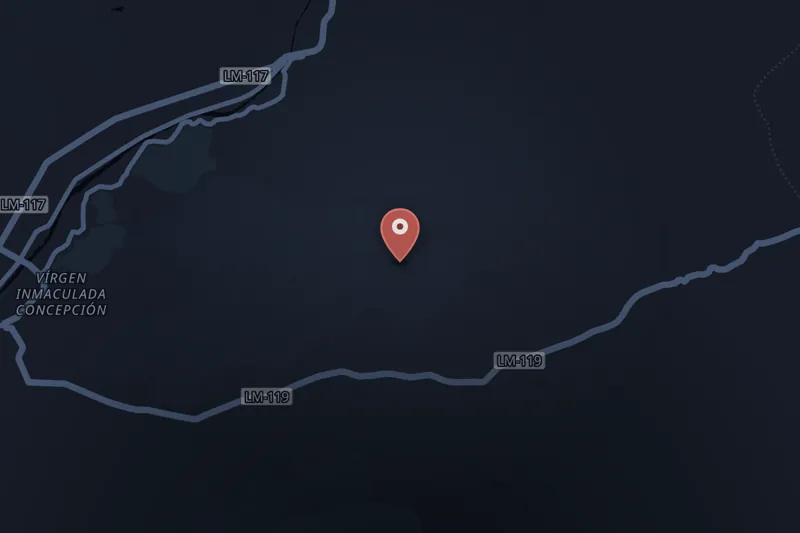
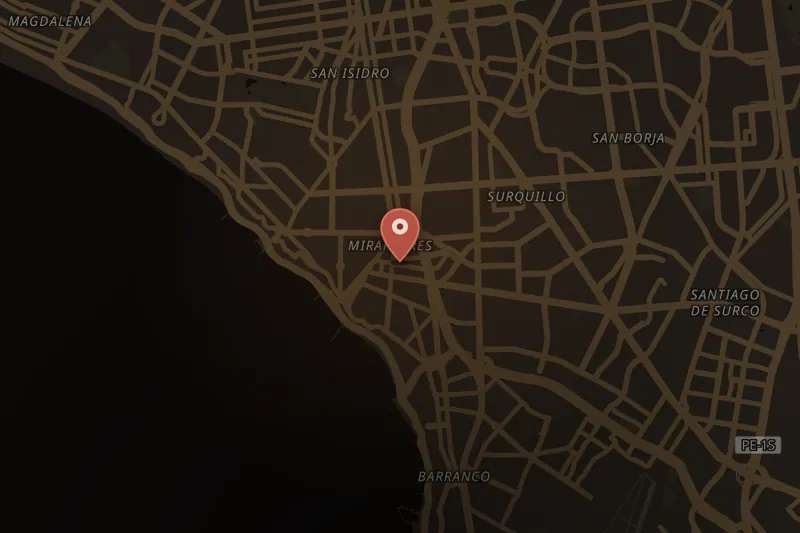
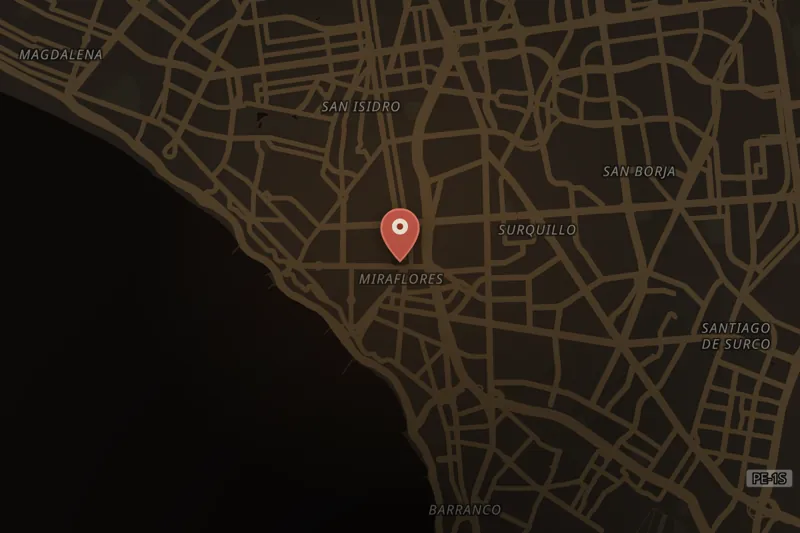
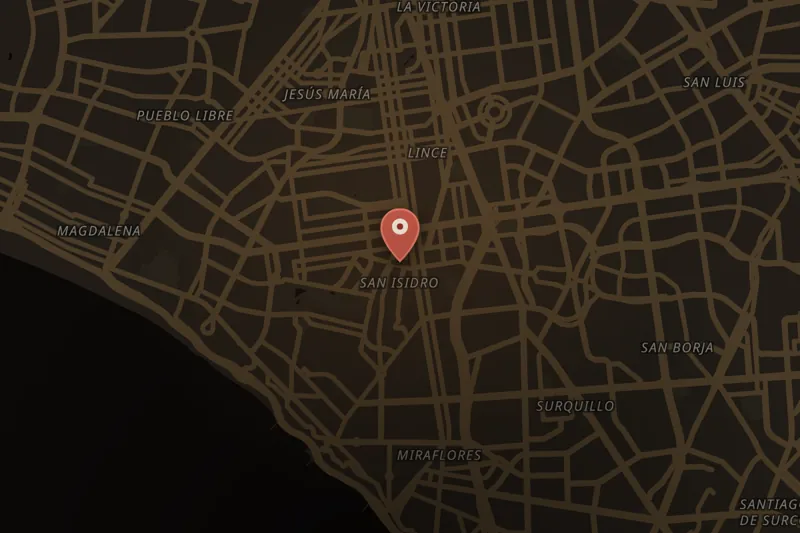
On February 13, 1992, Fernando "Calígula" de Romaña Azalde and Julio "Chato" Domínguez Barsallo, two used car salesmen from the Miraflores district of Lima, Peru, left Romaña's home in a silver Toyota around 4:30 p.m., according to Romaña's brother, Jorge. Shortly afterward, unknown assailants stopped the vehicle and took the men to a curve at kilometre 17 of the highway connecting Cieneguilla with Huarochirí province, where both were shot. Romaña's body was found on the side of the road at around 7:00 p.m., while Domínguez was found in the parked Toyota near Clínica Montefiori in the Monterrico area of La Molina District. Police recovered six .38 caliber shell casings and two pools of blood near Romaña's body; he had been shot multiple times and was still carrying $400, his electoral notebook, a watch, and a chain necklace. Domínguez had also been fatally shot.
The day after the killings, items including notebooks and videotapes were stolen from Romaña's house. By early March 1992, investigators had uncovered a criminal enterprise—dubbed the "Calígula Clan" by media—allegedly involved in drug trafficking, theft, and blackmailing upper-class figures by recording young women during sexual encounters and orgies and threatening to send footage to their families. Other alleged members identified in coverage included Luis Augusto "Loco" Mannarelli Rachitoff, Carlos Edmundo Gonzales Ciccia, José Luis Mendoza Torres, Alejandro "Jano" Gonzales Ramírez, and Horacio Puccio Ballona. Media outlets began referring to the unidentified killer as the "Vengeful Angel" (Ángel vengador).
Investigators considered several possible motives, including that an unidentified man whose daughter had allegedly been filmed by the group had retaliated rather than pay a bribe, or that a member of the military, or a dispute over a relationship, was responsible. Both victims reportedly had numerous enemies, including police officers who had previously extorted them.
Arrests followed over the next two years. Gonzales Ciccia was captured in August 1992 in connection with an unrelated jewel robbery and, after further flight and recapture in 1993, implicated Mannarelli. Alejandro Gonzales Ramírez was arrested in November 1993 and formally charged as the alleged author of the homicide, after being identified by Romaña's sister as the person who took items from the house after the murders. Horacio Puccio Ballona was arrested later that month; he named Gonzales as the perpetrator and claimed the killings had been ordered by a foreign diplomat over stolen drugs. Puccio, found with a .38 revolver believed to be the murder weapon, was later released.
Mannarelli and Mendoza were separately prosecuted and sentenced for the earlier 1991 jewel robbery, and Carlos Gonzales Ciccia was also prosecuted in connection with it. The homicide case against Gonzales was dismissed in 1995 for lack of proof, and no one was ultimately convicted of the killings of Romaña and Domínguez. The case file was reported missing from judicial archives in 2007. The events inspired a Peruvian television miniseries that aired from 1993 to 1994.

Key facts
- Victims
- Fernando de Romaña Azalde, Julio Domínguez Barsallo
- Date
- 1992
- Location
- Kilometre 17, Cieneguilla–Huarochirí highway / Monterrico, La Molina
- Case status
- cold
Case timeline
1990-12
Fernando de Romaña Azalde was investigated in connection to a vehicle theft operation.
1991-06-24
A robbery of jewels belonging to María Teresa de Santos took place in San Isidro, later linked to group members.
1991-08
Manuela Barreto Vargas, girlfriend of Carlos Edmundo Gonzales Ciccia, was killed in an accident on the Costa Verde Highway.
1991-10
DIRCOTE agents searched a house belonging to Romaña's family in San Antonio, Miraflores, in connection to a theft operation.
1992-02-13
Fernando de Romaña Azalde and Julio Domínguez Barsallo were abducted after leaving Romaña's home and were later found shot dead in Cieneguilla and Monterrico, Lima.
1992-03-01
Media reported the existence of the 'Calígula Clan' criminal enterprise.
1992-03-08
Police issued a search warrant for Luis Augusto Mannarelli Rachitoff.
1992-08-26
Carlos Edmundo Gonzales Ciccia was captured following an unrelated jewel robbery.
1993-04-25
Gonzales Ciccia was recaptured attempting to flee from Iquitos to Brazil using a counterfeit passport.
1993-11-01
Alejandro Gonzales Ramírez was captured in Miraflores.
1993-11-05
Gonzales Ramírez was formally charged with the homicide of Romaña and Domínguez.
1993-11-30
Horacio Puccio Ballona was arrested while leaving his house in Miraflores.
1995
The homicide case against Alejandro Gonzales Ramírez was dismissed due to lack of proof.
1999
Horacio Puccio Ballona died after a drug capsule ruptured inside his stomach while working as a drug mule.
2006
Liliana Castro Mannarelli was identified as the mastermind of the killing of businesswoman Myriam Fefer, a separate highly publicised case.
2007
The case file for the Caligula case was reported missing from the archives of the Judiciary of Peru.
2021
Alejandro 'Jano' Gonzales Ramírez was stabbed to death at his house in Los Pulpos beach.
Best coverage
No approved coverage links are attached yet.
People
Fernando de Romaña Azalde
VICTIMUsed car salesman from Miraflores, nicknamed 'Calígula'; found shot dead near Cieneguilla on February 13, 1992.
Alejandro Gonzales Ramírez
CHARGEDNicknamed 'Jano'; formally charged by the Judiciary of Peru as the alleged author of the homicide; the case against him was dismissed in 1995 for lack of proof.
Julio Domínguez Barsallo
VICTIMUsed car salesman from Miraflores, nicknamed 'Chato'; found shot dead in Monterrico on February 13, 1992.
Roles reflect public records and court outcomes at the time of writing — supporting citations are on file under Sources.
Places
Common questions
- What happened to the victim?
- Two Lima used car salesmen, Fernando "Calígula" de Romaña Azalde and Julio "Chato" Domínguez Barsallo, were abducted and fatally shot on February 13, 1992, an investigation that exposed a criminal network involved in drug trafficking, theft, and blackmail; the homicide case was ultimately dismissed for lack of proof.
- Where did the killing happen?
- Kilometre 17, Cieneguilla–Huarochirí highway / Monterrico, La Molina.
- What is the current status of the case?
- Status: cold.
Sources
- Caligula casewikipedia · Wikipedia · 2026-07-10
- Contemporaneous coverage — Caligula case, 22 years unresolvednews · elcomercio.pe · 2026-07-10
- Contemporaneous coverage — Fefer case hitman worked for Liliana Castro Mannarelli's unclenews · rpp.pe · 2026-07-10