Documents violence — written to inform, not to shock.

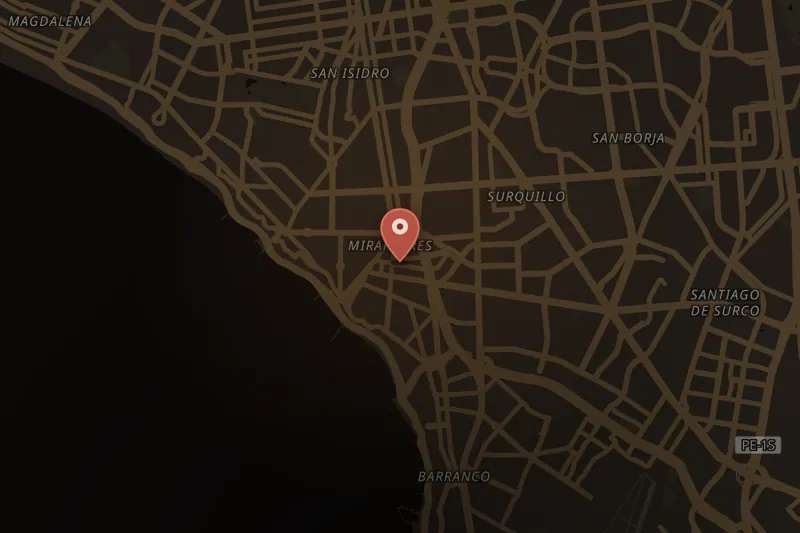
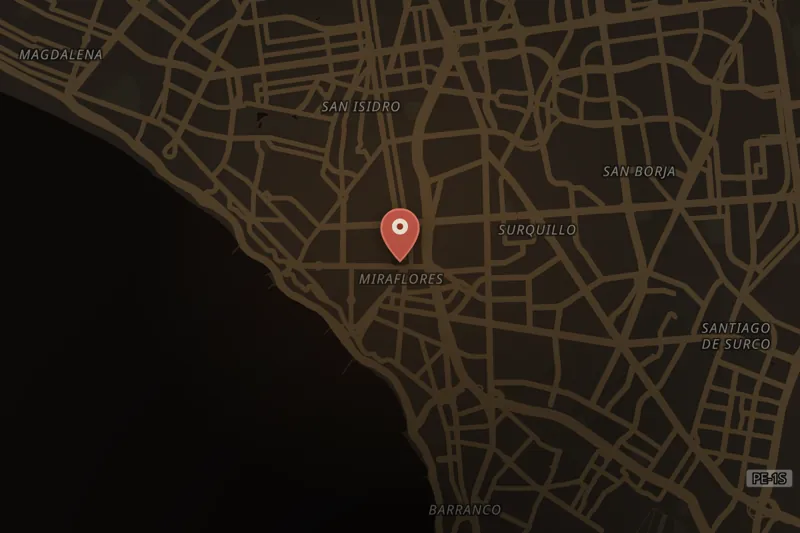
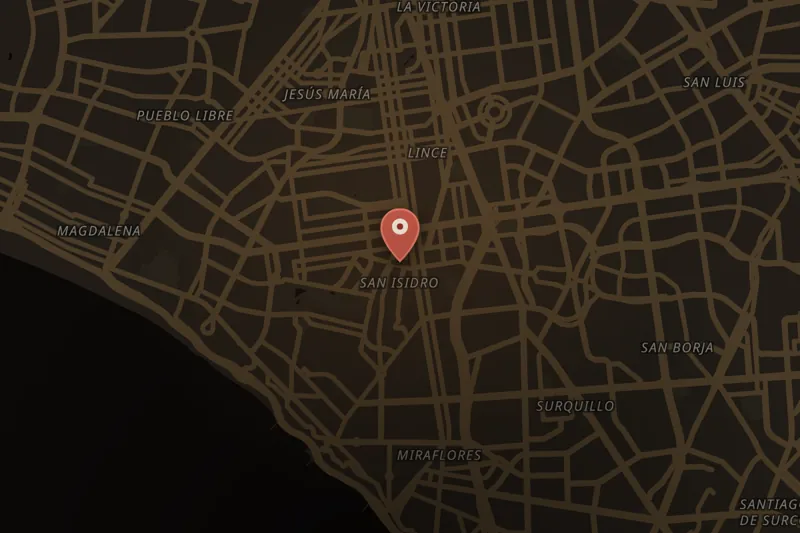
On the evening of July 16, 1992, the Peruvian militant group Shining Path detonated a car bomb containing roughly 400 kilograms (880 lb) of explosives on Tarata Street, a residential thoroughfare in the business district of Miraflores, Lima. The attack was intended to strike an office building operated by Banco de Crédito del Perú at the intersection of Tarata Street and José Larco Avenue, but after private security guards prevented the explosive-laden vehicle from parking at the building, the operatives left the car on the adjacent street, where it detonated at around 9:20 p.m. local time.
The blast killed 25 people, including several who were never identified, and injured between 155 and 250 others; five people were reported missing. Survivors described an initial explosion followed by a larger blast with a roughly 300-metre radius that devastated the street. Among the injured was a 12-year-old survivor who lost her leg in the attack. The explosion destroyed or damaged 183 homes, roughly 400 businesses, and dozens of parked vehicles, with property damage estimated at over US$3.12 million and hundreds of families affected.
According to testimony later gathered by Peru's Truth and Reconciliation Commission, the attack was planned by Shining Path's 12th Detachment under the direction of an operative identified as "Daniel," with other members assigned to scout the target, steal vehicles, and prepare the explosives. Earlier that day, the group carried out a series of lower-scale attacks — including bombings of police stations, a bank branch, and transmission towers — intended to draw law enforcement away from Miraflores and to cause a citywide blackout that aided the operation.
The bombing occurred amid a broader period of political and social upheaval in Peru, following President Alberto Fujimori's April 1992 dissolution of Congress, and came months after other Shining Path attacks that year, including the killing of community organizer María Elena Moyano and a car bombing of a television station. The Tarata bombing was described by observers as the first large-scale terrorist attack against ordinary civilians in a central urban area during the conflict.
In its aftermath, public outrage contributed to an intensified government crackdown on insurgent groups, culminating in the September 1992 capture of Shining Path leader Abimael Guzmán, who was later sentenced to life imprisonment. The attack was also cited as a justification for the La Cantuta massacre two days later, in which nine students and a professor were abducted and killed by a military death squad on accusations of involvement in the Tarata bombing. In 1996, police arrested an operative who provided information used to identify other participants in the planning and execution of the bombing. In 2014, Guzmán and another Shining Path leader were tried in connection with having ordered the attack. Tarata Street was later converted into a pedestrian promenade with a memorial, inaugurated in 1994.

Key facts
- Victims
- Marco Antonio Franco Laines, Angel Vera, César Cortez Arens, Carmen Victoria Paredes Stagnaro, Carmela Peña Roca, Consuelo Arens Porras de Cortez, Mónica María Rocío Romero Ramírez, Pedro Francisco Cava Arangoitia, Leoncio Elio Armas Cruz, Miguel Angel Gamarra, Luis Daniel Romero Cárdenas, Victor Javier Scaccabarrozzi Monzón, Antonio Javier Villanueva Merino, Cecilia Cortez Arens, Claudia Silvia Passini Bonfati, Avelino Paucara Ccompe, Violeta Palacios, Manuel Hijar Quintana, María Elena Moyano
- Date
- 1992
- Location
- Tarata Street, Miraflores, Lima, Peru
- Case status
- solved
Case timeline
1992-02-15
Shining Path militants killed community organizer María Elena Moyano in Villa El Salvador, Lima.
1992-04-05
President Alberto Fujimori carried out a coup d'état, dissolving Congress amid escalating social conflict.
1992-06-05
A Shining Path car bomb destroyed the facilities of television station Frecuencia Latina, killing three people.
1992-07-16
Shining Path detonated a 400-kilogram car bomb on Tarata Street in Miraflores, Lima, killing 25 people and injuring up to 250 others.
1992-07-18
Nine students and a professor were abducted and killed in the La Cantuta massacre, justified by perpetrators as retaliation tied to accusations related to the Tarata bombing.
1992-09
Shining Path leader Abimael Guzmán was captured by Peruvian authorities.
1994-07-16
Tarata Street was reopened as a pedestrian 'Solidarity Promenade' with a commemorative monument, exactly two years after the bombing.
1996-06-28
Police arrested Juanito Guillermo Orozco Barrientos, whose information helped identify other perpetrators of the bombing.
2014
Abimael Guzmán and Elena Yparraguirre were tried for having ordered the Tarata bombing.
Best coverage
No approved coverage links are attached yet.
People
Marco Antonio Franco Laines
VICTIMKilled in the July 16, 1992 Tarata bombing.
citation on file
Angel Vera
VICTIMKilled in the July 16, 1992 Tarata bombing.
citation on file
Juanito Guillermo Orozco Barrientos
CHARGEDShining Path operative arrested in June 1996; provided information later used to identify other perpetrators of the bombing.
citation on file
César Cortez Arens
VICTIMKilled in the July 16, 1992 Tarata bombing.
citation on file
Abimael Guzmán
CONVICTEDShining Path leader, captured September 1992 and sentenced to life imprisonment; tried in 2014 for having ordered the Tarata bombing.
citation on file
Carmen Victoria Paredes Stagnaro
VICTIMKilled in the July 16, 1992 Tarata bombing.
citation on file
Carmela Peña Roca
VICTIMKilled in the July 16, 1992 Tarata bombing.
citation on file
Consuelo Arens Porras de Cortez
VICTIMKilled in the July 16, 1992 Tarata bombing.
citation on file
Mónica María Rocío Romero Ramírez
VICTIMKilled in the July 16, 1992 Tarata bombing.
citation on file
Elena Yparraguirre
CHARGEDShining Path leader tried in 2014 alongside Abimael Guzmán for having ordered the Tarata bombing.
citation on file
Pedro Francisco Cava Arangoitia
VICTIMKilled in the July 16, 1992 Tarata bombing.
citation on file
Leoncio Elio Armas Cruz
VICTIMKilled in the July 16, 1992 Tarata bombing.
citation on file
Miguel Angel Gamarra
VICTIMKilled in the July 16, 1992 Tarata bombing.
citation on file
Luis Daniel Romero Cárdenas
VICTIMKilled in the July 16, 1992 Tarata bombing.
citation on file
Victor Javier Scaccabarrozzi Monzón
VICTIMKilled in the July 16, 1992 Tarata bombing.
citation on file
Antonio Javier Villanueva Merino
VICTIMKilled in the July 16, 1992 Tarata bombing.
citation on file
Cecilia Cortez Arens
VICTIMKilled in the July 16, 1992 Tarata bombing.
citation on file
Claudia Silvia Passini Bonfati
VICTIMKilled in the July 16, 1992 Tarata bombing.
citation on file
Avelino Paucara Ccompe
VICTIMKilled in the July 16, 1992 Tarata bombing.
citation on file
Violeta Palacios
VICTIMKilled in the July 16, 1992 Tarata bombing.
citation on file
Manuel Hijar Quintana
VICTIMKilled in the July 16, 1992 Tarata bombing.
citation on file
María Elena Moyano
VICTIMCommunity organizer killed by Shining Path in February 1992, cited as background to the escalating conflict that year.
citation on file
Places
Common questions
- What happened to the victim?
- On July 16, 1992, Shining Path detonated a 400-kilogram car bomb on Tarata Street in Miraflores, Lima, killing 25 people and injuring over 150, in one of the deadliest attacks of Peru's internal conflict.
- Where did the bombing happen?
- Tarata Street, Miraflores, Lima, Peru.
- Who was convicted?
- Abimael Guzmán (Shining Path leader, captured September 1992 and sentenced to life imprisonment; tried in 2014 for having ordered the Tarata bombing.).
- What is the current status of the case?
- Status: solved.
Sources
- Tarata bombingwikipedia · Wikipedia · 2026-07-07
- Contemporaneous coverage — The Guardiannews · The Guardian · 2026-07-07
- Contemporaneous coverage — BBC Newsnews · BBC News · 2026-07-07