Active case
Chibok schoolgirls kidnapping

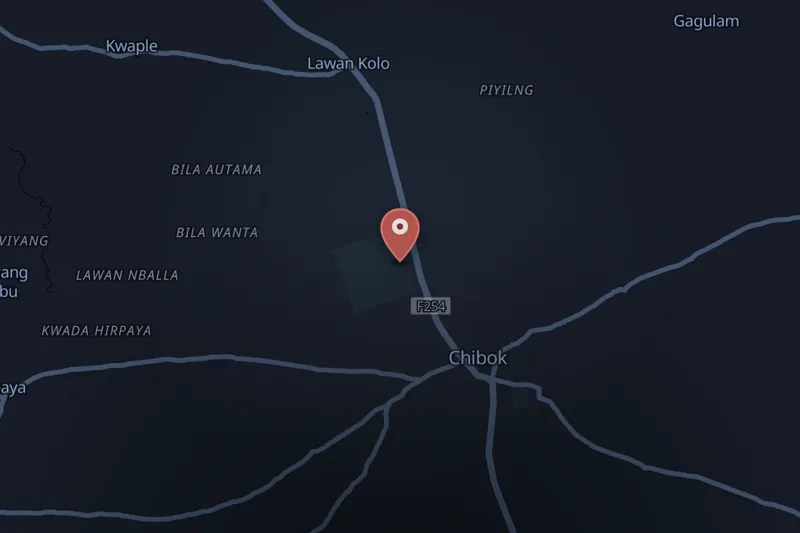
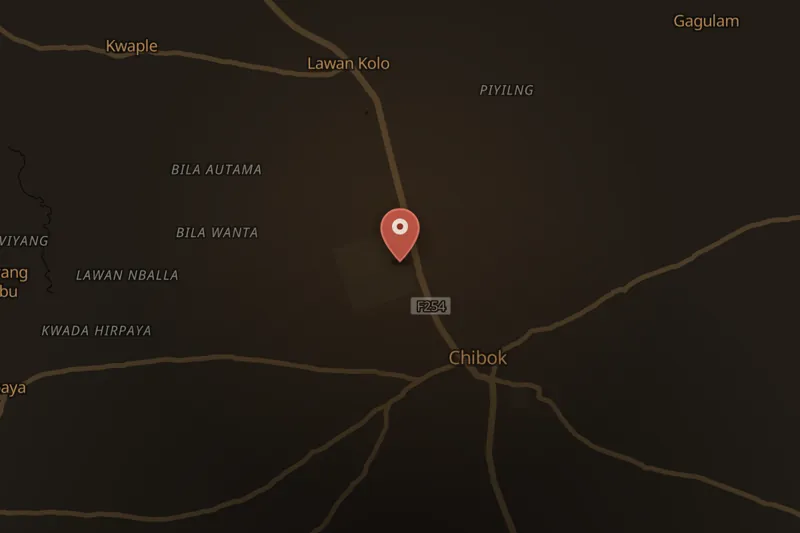
On the night of 14–15 April 2014, members of the Nigerian militant group Boko Haram attacked the Government Girls Secondary School in Chibok, Borno State, a majority-Christian town. The school had been closed for four weeks due to deteriorating security but had reopened temporarily so students could sit final physics exams. Militants dressed in military uniforms overwhelmed roughly 15 soldiers stationed in the town, engaging in a raid that lasted about five hours and killed a soldier and a police officer. Some 276 girls, aged 16 to 18, were taken; 57 escaped almost immediately by jumping from the trucks transporting them. Amnesty International later stated it believed the Nigerian military had received four hours' advance warning of the attack but failed to send reinforcements; the Nigerian military confirmed the advance notice but said overstretched forces could not mobilize in time.
In the aftermath, the girls — overwhelmingly Christian — were reportedly forced to convert to Islam and married to Boko Haram members. Boko Haram leader Abubakar Shekau publicly claimed responsibility in a video on 5 May 2014, saying the girls would be treated as property and offering a possible prisoner exchange. Sightings placed captives in the Sambisa Forest and reportedly across the borders into Cameroon and Chad, though Borno's governor disputed border crossings. Search and rescue involved Nigerian vigilante groups, the Nigerian military, and international assistance offered by the United States, United Kingdom, France, Israel, Canada and China, including surveillance aircraft and intelligence teams. A British source later said the girls were located by Royal Air Force surveillance within weeks of the operation but that Nigeria declined an offered rescue, treating it as a national matter.
Over subsequent years, girls were freed in stages: some escaped independently, some were rescued during Nigerian military operations against Boko Haram camps, and larger groups — 21 in October 2016 and 82 in May 2017 — were released following negotiations brokered by the International Committee of the Red Cross and the Swiss government, reportedly involving ransom payments and the exchange of detained Boko Haram commanders. Individual girls continued to be found or to escape in subsequent years, including through 2024. By 14 April 2021, over 100 girls remained missing; by 14 April 2024, ten years after the abduction, 82 were reported still missing and presumed held.
The kidnapping catalyzed the international #BringBackOurGirls social media campaign, which began after a Nigerian lawyer used the hashtag following remarks by former education minister Oby Ezekwesili, and drew support from figures including Malala Yousafzai, Michelle Obama and Hillary Clinton, alongside criticism from some commentators who questioned its practical impact. The Nigerian government faced sustained criticism over its response, including its handling of information, delayed public acknowledgment by then-President Goodluck Jonathan, and a $1.2 million public-relations contract. In July 2018, Nigerian police charged eight Boko Haram fighters in connection with the kidnapping, with one convicted and sentenced to 20 years in prison. Boko Haram's broader campaign involved abduction of thousands of women and girls, according to Amnesty International estimates, and the group later became known for a rise in the use of female suicide bombers, a shift researchers have linked partly to attention generated by the Chibok case.

Key facts
- Victims
- Sarah Samuel, Salomi Pogu, Joy Bishara, Maryam Ali Maiyanga, Naomi Adamu, Lydia Pogu, Rakiya Abubakar, Amina Ali Nkeki
- Date
- 2014
- Location
- Government Girls Secondary School, Chibok, Borno State, Nigeria
- Case status
- ongoing
Case timeline
2013-05
Nigerian federal government declares a state of emergency in Borno, Yobe and Adamawa states amid the Boko Haram insurgency.
2013-07-06
Boko Haram attacks Government Secondary School in Mamudo, Yobe State, killing at least 42 people.
2013-09-29
Boko Haram attacks the College of Agriculture in Gujba, Yobe State, killing 44 students and teachers.
2014-02
Boko Haram kills more than 100 Christian men in Doron Baga and Izghe, and 59 boys are killed in the Federal Government College attack.
2014-04-14
Boko Haram militants attack the Government Girls Secondary School in Chibok, abducting 276 schoolgirls; 57 escape almost immediately.
2014-05-02
Nigerian police state the exact number of kidnapped students is unclear and ask parents to submit names and photos.
2014-05-04
President Goodluck Jonathan speaks publicly about the kidnapping for the first time.
2014-05-05
Boko Haram leader Abubakar Shekau claims responsibility for the kidnapping in a released video; separately, at least 300 residents of Gamboru Ngala are killed in a Boko Haram attack.
2014-05-24
A journalist-brokered prisoner-exchange deal to free the girls is scrapped after President Jonathan consults foreign ministers in Paris.
2014-05-30
Two kidnapped girls are found raped and tied to a tree in the Baale region by a civilian militia; villagers report four other girls were killed.
2014-07-17
The European Union passes a resolution calling for the immediate and unconditional release of the abducted schoolgirls.
2015-04
Former clergyman Stephen Davis makes contact with Boko Haram commanders regarding a possible release of ill girls; the deal later falls through.
2016-04
Boko Haram releases a video showing 15 girls believed to be Chibok students.
2016-05-17
Amina Ali Nkeki, one of the missing girls, is found in the Sambisa Forest with her baby; she reports six girls had died.
2016-10
21 of the kidnapped schoolgirls are released following negotiations brokered by the ICRC and the Swiss government.
2017-05-06
82 further schoolgirls are released following negotiations involving the exchange of five Boko Haram leaders.
2018-07
Nigerian police charge eight Boko Haram fighters in connection with the kidnapping; one is later convicted and sentenced to 20 years in prison.
2021-04-14
Seven years after the kidnapping, over 100 of the girls remain missing.
2024-04-14
Ten years after the kidnapping, 82 of the girls remain missing and presumed captive.
Best coverage
No approved coverage links are attached yet.
People
Sarah Samuel
VICTIMKidnapped schoolgirl who, with Naomi Adamu, kept a diary describing events during captivity.
Salomi Pogu
VICTIMKidnapped schoolgirl rescued by the Nigerian military near Pulka, Borno, in January 2018.
Joy Bishara
VICTIMKidnapped schoolgirl who was later released and met U.S. President Donald Trump at the White House in June 2017.
Maryam Ali Maiyanga
VICTIMKidnapped schoolgirl rescued by the Nigerian Army in November 2016.
Naomi Adamu
VICTIMKidnapped schoolgirl freed in 2017; kept a diary describing conditions in captivity later used in published accounts.
Lydia Pogu
VICTIMKidnapped schoolgirl who was later released and met U.S. President Donald Trump at the White House in June 2017.
Rakiya Abubakar
VICTIMKidnapped schoolgirl found by the Nigerian Army in January 2017 along with a six-month-old baby.
Abubakar Shekau
CHARGEDLeader of Boko Haram who publicly claimed responsibility for the kidnapping in a video released 5 May 2014; named but not reported in the source as formally tried.
Amina Ali Nkeki
VICTIMOne of the kidnapped schoolgirls; found in the Sambisa Forest in May 2016 with her baby after being held captive.
Roles reflect public records and court outcomes at the time of writing — supporting citations are on file under Sources.
Places
Common questions
- What happened to the victim?
- On the night of 14–15 April 2014, Boko Haram militants abducted 276 schoolgirls from the Government Girls Secondary School in Chibok, Borno State, Nigeria. Some escaped or were later rescued or released through negotiations, but as of April 2024 dozens remained missing and presumed captive.
- Where did the kidnapping happen?
- Government Girls Secondary School, Chibok, Borno State, Nigeria.
- What is the current status of the case?
- Status: ongoing.
Sources
- ENCYCLOPEDICChibok schoolgirls kidnappingWikipedia · 2026-07-07
- PRESSContemporaneous coverage — BBC NewsBBC News · 2026-07-07
- PRESSContemporaneous coverage — The GuardianThe Guardian · 2026-07-07
Record history
- First published
- JUL 10, 2026