Casepin
Back to cases

Case file

Cullin-la-ringo massacre

Illustrative

In mid-October 1861, a large party of squatters led by Horatio Wills established a temporary camp at Cullin-la-ringo, a newly formed cattle station north of present-day Springsure in Central Queensland. The group, which had travelled from Brisbane over eight months with bullock wagons and more than 10,000 sheep, had drawn considerable attention from other settlers and from local Indigenous people because of its size.

On 17 October 1861, according to survivor John Moore, Aboriginal people passed through the camp throughout the day, gradually building up in numbers to at least 50, before attacking the settlers without warning using nulla nullas. The settlers attempted to defend themselves with pistols and tent poles, but nineteen of the twenty-five people present were killed, including Horatio Wills, the overseer David Baker and members of his family, the Mannion family, and several other station workers. The dead were buried at the massacre site, and some graves bear headstones. Six people survived, either because they were absent from the camp or, in Moore's case, avoided detection; survivor Edward Kenny rode to Rainworth Station to report the attack the following day. It was later reported that the attack may have been in response to the killing of Gayiri men by a neighbouring squatter, Jesse Gregson, who had wrongly accused Gayiri people of stealing cattle.

In the weeks following the massacre, police, native police and armed civilian parties carried out an extended punitive campaign against Gayiri people believed to be responsible, described as one of the most lethal reprisal operations in Australian frontier history. Contemporary accounts describe pursuers estimating opposing camps of several hundred people, and one account describes police "shot down sixty or seventy" before ceasing fire due to expended ammunition, after which native police were reported to continue pursuit. Historical estimates of the total Aboriginal death toll during these reprisals have varied, with some historians estimating around 370 dead, while a more recent study by University of Newcastle researchers estimated 90 deaths. A 1895 Chicago Tribune article claiming survivor Tom Wills had boasted of participating in reprisal killings was later examined by Australian historians and found to contain multiple factual inaccuracies inconsistent with known events.

The massacre had lasting effects on regional settlement patterns; the Old Rainworth Stone Store, built in 1862 at nearby Rainworth Station, was constructed of stone partly as a defensive measure in response to the attack. The event has since been the subject of historical scholarship, including a 1981 study by Gordon Reid, and has appeared in later literary and dramatic works.

Key facts

Victims
Tom O'Brien, James Scott, Horatio Wills, Charles Weeden, Maggie Mannion, George Elliott, George Ling, Mary Ann Mannion, Catherine Baker, David Baker, Elizabeth Baker, Patrick Mannion, Henry Pickering, David Baker Jr., Iden Baker, Edward McCormac
Date
1861
Location
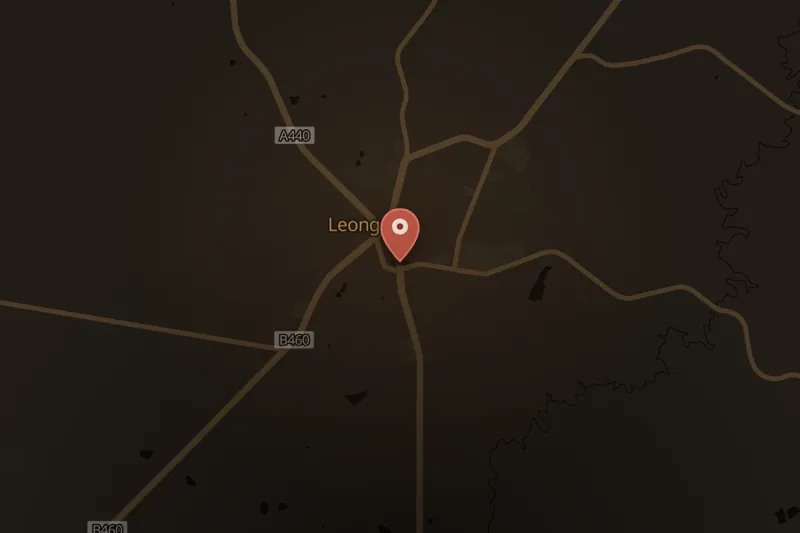
Cullin-la-ringo station, north of Springsure, Queensland, Australia
Case status
solved

Case timeline

  1. 1861-10

    Horatio Wills's squatter party establishes a temporary camp at Cullin-la-ringo station near modern-day Springsure, Queensland.

  2. 1861-10-17

    Gayiri Aboriginal people attack the camp, killing nineteen of the twenty-five people present, including Horatio Wills.

  3. 1861-10-18

    Survivor Edward Kenny reaches Rainworth Station to report the massacre.

  4. 1861-11-27

    A punitive party reportedly storms an Aboriginal camp before dawn during the reprisal campaign following the massacre.

  5. 1862

    The Old Rainworth Stone Store is built at Rainworth Station, partly as a defensive response to the massacre.

  6. 1893

    Archibald Meston publishes 'The Cave Diary', a short story referencing the massacre.

  7. 1895

    An anonymous Chicago Tribune article claims Tom Wills participated in reprisal killings; later examined and found inconsistent by historians.

  8. 1981

    Gordon Reid publishes the first scholarly assessment of the massacre, 'From Hornet Bank to Cullin-la-Ringo'.

Best coverage

No approved coverage links are attached yet.

People

  • Tom O'Brien

    VICTIM

    Bullock driver engaged at Rockhampton; killed in the attack.

  • James Scott

    VICTIM

    Member of the Cullin-la-ringo party; killed in the attack.

  • Horatio Wills

    VICTIM

    Owner of Cullin-la-ringo station; killed in the 17 October 1861 attack.

  • Charles Weeden

    VICTIM

    Member of the Cullin-la-ringo party; killed in the attack.

  • Maggie Mannion

    VICTIM

    Daughter of Patrick Mannion, aged 4; killed in the attack.

  • George Elliott

    VICTIM

    Member of the Cullin-la-ringo party; killed in the attack.

  • George Ling

    VICTIM

    Member of the Cullin-la-ringo party; killed in the attack.

  • Mary Ann Mannion

    VICTIM

    Daughter of Patrick Mannion, aged 8; killed in the attack.

  • Catherine Baker

    VICTIM

    Wife of overseer David Baker; killed in the attack.

  • David Baker

    VICTIM

    Overseer at Cullin-la-ringo; killed in the attack.

  • Elizabeth Baker

    VICTIM

    Daughter of the overseer, aged 19; killed in the attack.

  • Patrick Mannion

    VICTIM

    Member of the Cullin-la-ringo party; killed in the attack.

  • Henry Pickering

    VICTIM

    Member of the Cullin-la-ringo party; killed in the attack.

  • David Baker Jr.

    VICTIM

    Son of David and Catherine Baker; killed in the attack.

  • Iden Baker

    VICTIM

    Young boy, member of the Baker family; killed in the attack.

  • Edward McCormac

    VICTIM

    Member of the Cullin-la-ringo party; killed in the attack.

Roles reflect public records and court outcomes at the time of writing — supporting citations are on file under Sources.

Places

Common questions

What happened to the victim?
On 17 October 1861, Aboriginal Gayiri people killed 19 members of a squatter party led by Horatio Wills at Cullin-la-ringo station near Springsure, Queensland — the largest killing of European settlers by Aboriginal people in Australian history — followed by punitive expeditions that killed dozens to hundreds of Gayiri people.
Where did the massacre happen?
Cullin-la-ringo station, north of Springsure, Queensland, Australia.
What is the current status of the case?
Status: solved.

Sources

  1. ENCYCLOPEDICCullin-la-ringo massacreWikipedia · 2026-07-10
  2. OFFICIAL / AGENCYContemporaneous coverage — nla.gov.aunla.gov.au · 2026-07-10
  3. PRESSContemporaneous coverage — ABC News (Australia)ABC News (Australia) · 2026-07-10