Case file
Battle of the Washita River

In late November 1868, thousands of Southern Cheyenne, Arapaho, Kiowa, Comanche, and Kiowa-Apache people were camped in a series of winter villages stretching ten to fifteen miles along the Washita River in Indian Territory. The westernmost of these was the roughly 50-lodge village of Southern Cheyenne chief Black Kettle, a leader who had survived the 1864 Sand Creek Massacre and had continued to seek peace with U.S. authorities. On November 20, 1868, Black Kettle and other chiefs met with Colonel William B. Hazen at Fort Cobb to request permission to move his people to safety; Hazen told them he could not make peace on Sheridan's behalf and that they would have to deal with the military campaign already underway.
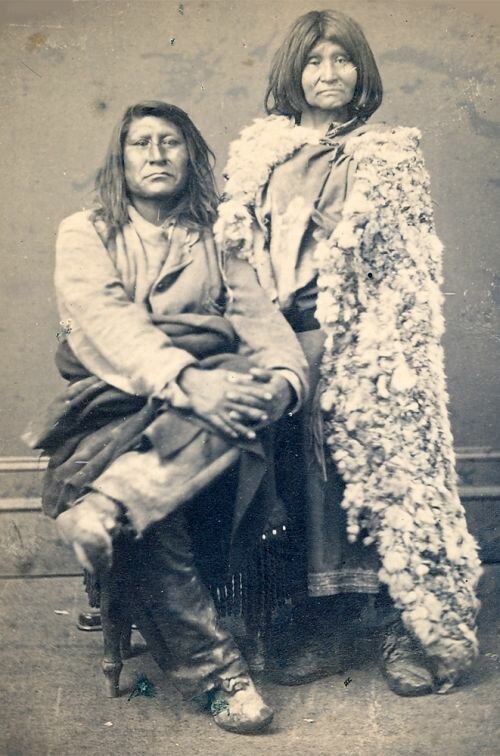
Black Kettle returned to his village on the Washita on the evening of November 26, the same day a raiding party's trail was discovered by Custer's Osage scouts. Custer's 7th Cavalry, part of a broader winter offensive ordered by General Philip Sheridan against Cheyenne and allied bands, followed the trail through the night and attacked Black Kettle's village at first light on November 27, 1868. Cavalry troops converged on the camp from four directions as the regimental band played "Garryowen." Warriors, women, and children fled into ravines and behind trees under fire. Black Kettle and his wife, Medicine Woman, were shot in the back and killed while attempting to flee on a pony.
Custer's forces took control of the village, destroyed food and lodges, killed approximately 675 ponies and horses, and captured 53 women and children, later used according to multiple historians as hostages and human shields to help extricate the regiment as warriors from nearby camps advanced. A detached command of about 20 troopers under Major Joel Elliott was separated from the main force and killed by warriors converging from downriver villages; Custer withdrew without determining Elliott's fate, a decision that caused lasting resentment within the regiment.
The number of Indian dead has remained disputed since the earliest reports. Custer initially reported 103 warriors killed based on officers' recollections rather than an actual battlefield count; he later revised the total loss estimate upward to around 300 based on information from Kiowa prisoners at Fort Cobb. Cheyenne survivors and interviewed prisoners gave much lower figures, describing roughly 13 Cheyenne men, two Sioux, and one Arapaho killed, alongside additional women and children. Scouts attached to the regiment separately reported roughly 20 warriors and about 40 women and children killed. Contemporary press coverage, the Indian Bureau, and Indian Agent Edward Wynkoop (who resigned and called it a massacre) criticized the attack as directed at a band that had been seeking peace. Historians remain divided on whether to characterize the engagement as a battle or a massacre, and the event's disputed casualty counts and historical framing continue to be discussed, including within the modern Cheyenne community's efforts regarding the historic site's naming.

Key facts
- Victims
- Joel Elliott, Medicine Woman, Black Kettle
- Date
- 1868
- Location
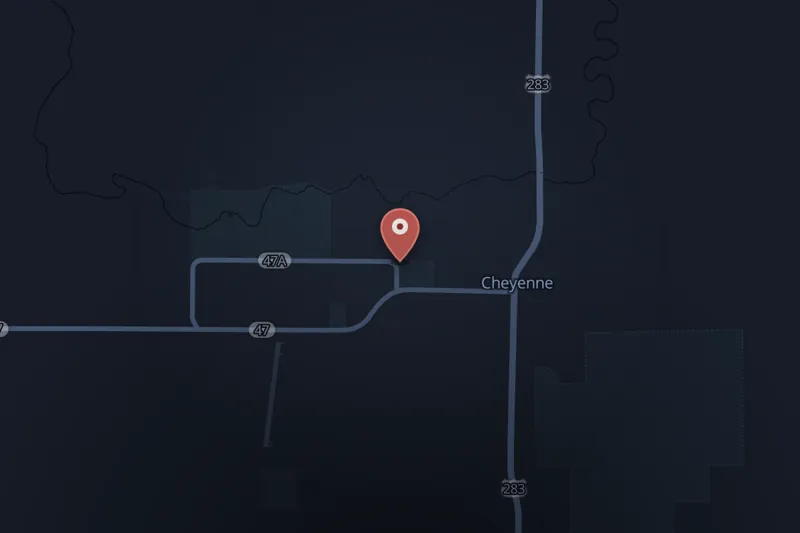
- Washita Battlefield National Historic Site, near Cheyenne, Oklahoma
- Case status
- solved
Case timeline
1867-10
Southern Cheyenne and Arapaho sign the Medicine Lodge Treaty, requiring relocation to a reservation in Indian Territory.
1868-08-10
Raids by Southern Cheyenne and allied warriors begin along the Solomon and Saline rivers in Kansas.
1868-08-19
Indian Agent Edward W. Wynkoop interviews Cheyenne chief Little Rock about the Kansas raids.
1868-11
Black Kettle's Southern Cheyenne band and other tribal camps establish winter villages along the Washita River.
1868-11-20
Black Kettle and other chiefs meet Colonel William B. Hazen at Fort Cobb seeking peace; Hazen tells them he cannot make peace on Sheridan's behalf.
1868-11-23
Custer's 7th U.S. Cavalry departs on Sheridan's winter campaign toward the Washita River.
1868-11-25
A war party including young men from Black Kettle's and other camps returns to the Washita after raiding in Kansas.
1868-11-26
Black Kettle returns to his village on the Washita; Major Joel Elliott's scouts find the raiders' trail, drawing Custer's forces toward the camp.
1868-11-27
Custer's 7th Cavalry attacks Black Kettle's village at dawn; Black Kettle and his wife Medicine Woman are killed; Major Joel Elliott and about 20 troopers are killed in a separate engagement; 53 women and children are taken captive.
1868-11-28
Custer sends his first report to General Sheridan claiming 103 warriors killed.
1868-12
Custer and Sheridan visit the battlefield; Custer later revises his casualty estimate upward to around 300 total Indian losses based on information from Kiowa prisoners at Fort Cobb.
1868-12-14
Scouts John Poisal and Jack Fitzpatrick report to Indian Agent Wynkoop that official casualty figures were exaggerated, citing about 20 warriors and 40 women and children killed; Wynkoop publishes his resignation calling the attack a massacre.
Best coverage
No approved coverage links are attached yet.
People
Joel Elliott
VICTIMU.S. Army major killed with his detached command of about 20 troopers during the engagement
William B. Hazen
LAW ENFORCEMENTU.S. Army colonel who met with Black Kettle and other chiefs at Fort Cobb days before the attack
George Armstrong Custer
LAW ENFORCEMENTU.S. Army Lt. Colonel who commanded the 7th Cavalry's attack on Black Kettle's village
Medicine Woman
VICTIMWife of Black Kettle, killed while fleeing the attack
Black Kettle
VICTIMSouthern Cheyenne chief killed with his wife while fleeing the attack on his village
Philip Sheridan
LAW ENFORCEMENTU.S. Army general who ordered the winter campaign against Cheyenne and allied bands that culminated in the attack
Roles reflect public records and court outcomes at the time of writing — supporting citations are on file under Sources.
Archival records

portrait victim
File:Seventh Cavalry Charging Black Kettle s Village 1868.jpg
Credit: Harper's weekly, v. 12, 1868 Dec. 19, p. 804. · Public domain · Source
Places
Common questions
- What happened to the victim?
- On November 27, 1868, Lt. Col. George A. Custer's 7th U.S. Cavalry attacked Black Kettle's Southern Cheyenne winter camp on the Washita River in present-day Oklahoma, killing Black Kettle and an unresolved but significant number of Cheyenne men, women, and children, and taking dozens of women and children captive.
- Where did the crime happen?
- Washita Battlefield National Historic Site, near Cheyenne, Oklahoma.
- What is the current status of the case?
- Status: solved.
Sources
- ENCYCLOPEDICBattle of the Washita RiverWikipedia · 2026-07-10
- PRESSContemporaneous coverage — nps.govnps.gov · 2026-07-10
- PRESSContemporaneous coverage — 1st-hand-history.org1st-hand-history.org · 2026-07-10
Record history
- First published
- JUL 11, 2026