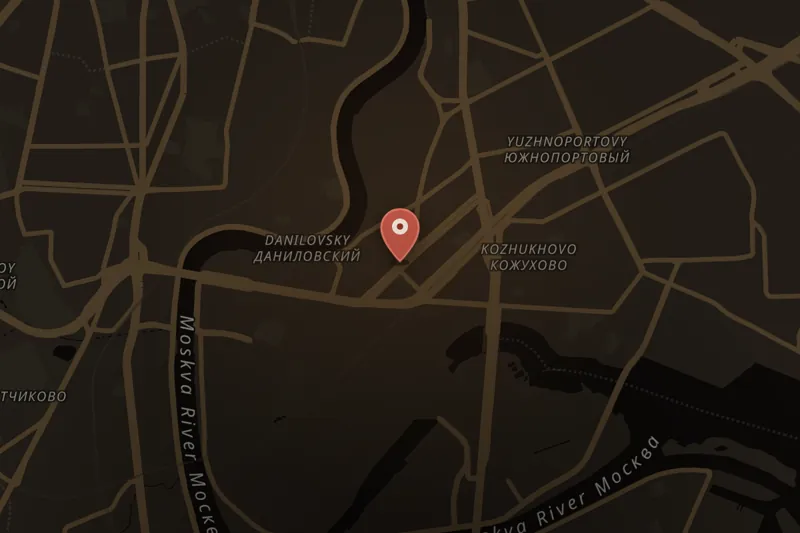
On 6 February 2004, at approximately 08:32 Moscow time, an explosion tore through a subway car moving through a tunnel near Avtozavodskaya station on the Zamoskvoretskaya Line of the Moscow Metro. The blast killed 41 people and injured up to 250 others, with many victims suffering broken bones and smoke inhalation. Russian authorities identified the bomber as Anzor Izhayev, a Karachay man from the village of Uchkeken, who detonated an improvised explosive device concealed in a backpack.
In the aftermath, then-President of Russia Vladimir Putin attributed the attack to Chechen separatists. Chechen rebel leader Aslan Maskhadov denied any involvement by his movement. Separately, a previously unknown group calling itself Gazoton Murdash claimed responsibility in a statement signed by a figure identified as Lom-Ali ("Ali the Lion"). The statement said the attack was timed to mark the fourth anniversary of the Novye Aldi massacre, in which Russian soldiers killed numerous Chechen civilians in Grozny.
The investigation into the bombing extended beyond the immediate perpetrator. In May 2005, Russian law enforcement arrested Tambiy Khubiyev and Maksim Panaryin, both from the Karachay-Cherkess Republic, along with Murat Shavayev, a native of Kabardino-Balkaria, in connection with a series of terrorist attacks in Moscow, Voronezh, and Krasnodar. All three were identified as members of an Islamist militant group known as Karachay Jamaat, also referred to as "Muslim Society No. 3." Khubiyev confessed to organizing the Avtozavodskaya bombing as well as a subsequent bombing near Rizhskaya subway station in Moscow, and a series of explosions in Krasnodar in August 2003. Panaryin was implicated in bus stop bombings in Voronezh and the explosion near Rizhskaya station. Shavayev, who held a position as an officer in the Russian Ministry of Justice, was accused of assisting in preparations for the Moscow attacks; he denied involvement. According to Khubiyev's testimony, however, Shavayev had helped construct the bomb used by Izhayev in the February 2004 attack, working alongside another individual named Idris Gloov, who was later killed by police in a shootout in Stavropol Krai. Khubiyev also stated that Shavayev had smuggled components for the improvised explosive device used in the August 2004 Rizhskaya station bombing.
The three suspects were tried in a closed session of the Moscow City Court in 2006–2007. On 2 February 2007, the judge convicted and sentenced all three to life imprisonment. Khubiyev and Shavayev each received two life terms, covering both the Avtozavodskaya and Rizhskaya bombings, while Panaryin was sentenced to life specifically for the August 2004 Rizhskaya attack. Beyond the life sentences, the court imposed additional cumulative prison terms — 100 years for Shavayev, 150 for Khubiyev, and 200 for Panaryin — on other charges, and ordered the defendants to pay more than 7 million rubles in moral damages to victims. The men appealed, but the Supreme Court of Russia upheld the February 2007 verdict.