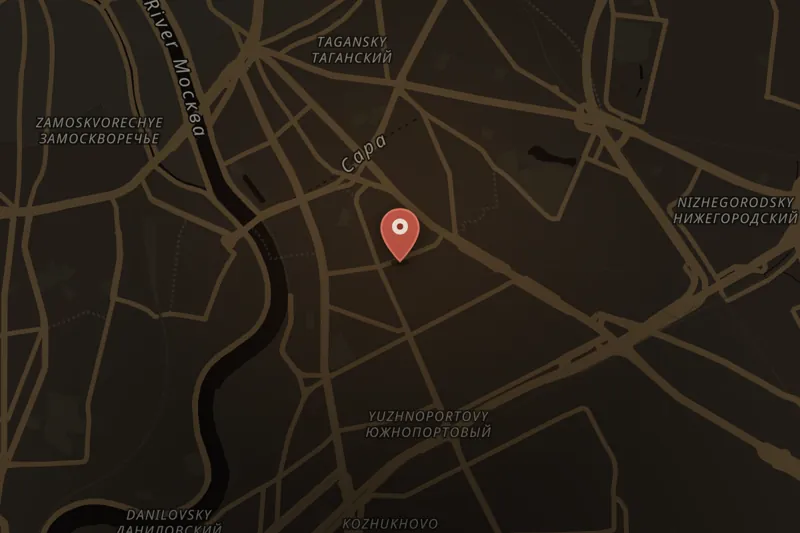
On the evening of 23 October 2002, 40 to 50 armed Chechen militants led by Movsar Barayev entered the Dubrovka Theater in Moscow during Act II of a sold-out performance of the musical Nord-Ost, taking approximately 850–900 people hostage, including audience members, performers, and a Russian Ministry of Internal Affairs (MVD) general. The attackers, identifying with the separatist movement in Chechnya, demanded the immediate withdrawal of Russian forces from Chechnya and an end to the Second Chechen War, threatening to kill hostages if their demands were not met within a set deadline. Over the following three days, the militants released small groups of hostages — including children, pregnant women, Muslims, and foreign nationals — while public figures such as Joseph Kobzon, Anna Politkovskaya, Irina Khakamada, Boris Nemtsov, and Yevgeny Primakov attempted to negotiate. Two civilians who approached or entered the theater outside of sanctioned negotiations, Olga Romanova and Gennady Vlakh, were shot and killed by the hostage-takers. A separate hostage, Denis Gribkov, was fatally wounded during a gunfire incident inside the auditorium.
Before dawn on 26 October, Russian security services — Spetsnaz units from the Federal Security Service (FSB), including Alpha Group and Vympel, supported by an MVD SOBR unit — pumped an aerosol anesthetic agent, later described by the Russian Health Minister as fentanyl-based, into the theater's ventilation system. A 2012 study concluded the gas was likely a mixture of carfentanil and remifentanil. After the gas took effect, Russian forces stormed the building, killing all 40 hostage-takers in the ensuing operation. According to official figures, 132 hostages died, the large majority from the effects of the gas rather than gunfire; some independent estimates of the total civilian death toll, including delayed deaths from gas-related complications, have been placed considerably higher. Approximately 700 surviving hostages were affected by the gas, with some sustaining lasting disabilities.
In the aftermath, President Vladimir Putin publicly defended the raid, and Moscow's mayor called the operation successful. The Russian government tightened anti-terrorism laws, restricted media coverage of counter-terrorism operations, and continued large-scale military operations in Chechnya. An official investigation by the Moscow City Prosecutor's Office ran for over three years without publicly identifying the exact chemical agent used, an antidote, or the officials responsible for the assault decision, and was suspended in June 2007. Independent investigators, including journalist Anna Politkovskaya and former FSB officer Aleksander Litvinenko, raised allegations regarding possible FSB foreknowledge or involvement in directing the attackers, claims that remain contested and unresolved. Family members and survivor organizations, including the Nord-Ost Organization, subsequently pursued legal claims for compensation and continued to call for further investigation into the handling of the crisis and the medical response to the gas.


 Credit: OrlovicCC BY-SA 3.0SourceSOLVEDListen