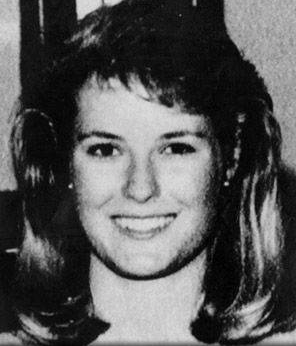
William "Billy" Grondalski, an oil refinery worker, joined the Vallejo chapter of the Hells Angels in 1982. He struggled with substance abuse and, following internal club violence in 1986 involving an expelled member named Terry Dalton, told his estranged wife Patricia "Patty" Kast that he wanted to leave the club. The couple reconciled, and Billy added a tattoo reading "84 In 86 Out" beneath his Hells Angels death's head tattoo. Because he did not cover or remove his club tattoos after leaving, the Vallejo chapter, under new president Gerry "Butch" Lester, considered him "in bad standing" and sought him out. The family, including teenage son Jeremy and five-year-old daughter Dallas, moved to Fort Bragg on October 1, 1986, moving furniture only at night out of fear.
On October 5, 1986, Lester and Charles "Chuck" Diaz, having borrowed a truck from fellow Hells Angel Michael "Little Mike" Tankersley, went to the Grondalski home. Lester shot and killed Billy, then the pair killed Patty, Jeremy, and Dallas to eliminate witnesses. The killings involved gunfire and stabbing, and the perpetrators mutilated Billy's body to remove his club tattoo. Other Hells Angels associates, including Tankersley, Sammie Lester, and Charles Haas, assisted in destroying evidence, including melting the weapons and burning the house, which damaged the victims' remains.
Mendocino County Detective Sergeant Philip Pintane took over the investigation in 1988 but initially made little progress; police had mistakenly believed the killings occurred a day later than they had. In 1993, Charles Haas, then facing a lengthy prison sentence in Arizona for drug offenses, offered information in exchange for leniency and revealed the correct date of the murders. Working with Mendocino County District Attorney Susan Massini, Pintane built a case, and in May 1995 Lester and Diaz were arrested on first-degree murder charges. Tankersley, tracked down in Arkansas, eventually agreed to testify for the prosecution.
Lester was tried three times; the first two trials in 1997 ended in hung juries before he was convicted of first-degree murder in a third trial in late 1997 and sentenced to life imprisonment. Diaz's case was delayed by legal complications, including a conflict of interest involving defense attorney Norman Vroman's later election as district attorney, leading the state to take over prosecution. Diaz was tried beginning March 2004 alongside co-defendants Mary Anne Roach, Sammie Lester, and Robert Huffman on related obstruction and arson-related charges. On May 5, 2004, a jury convicted Diaz of four counts of first-degree murder.

 Image recordEditorial useSourceSOLVEDListen