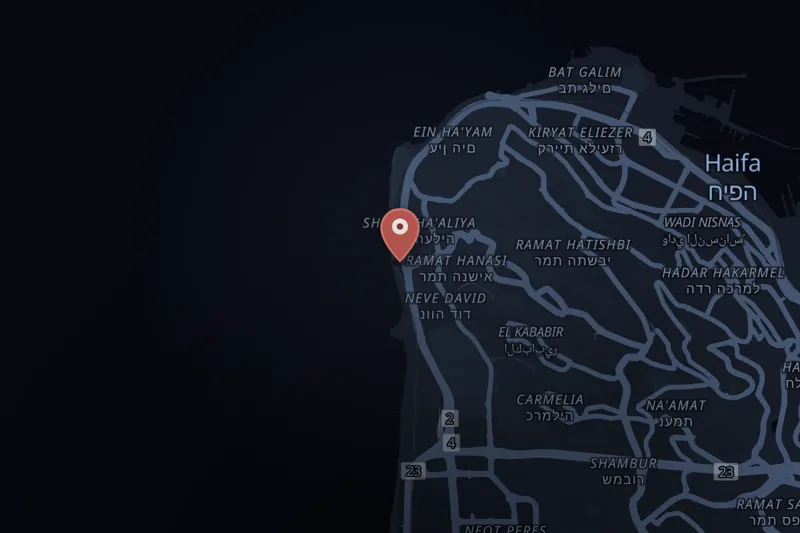
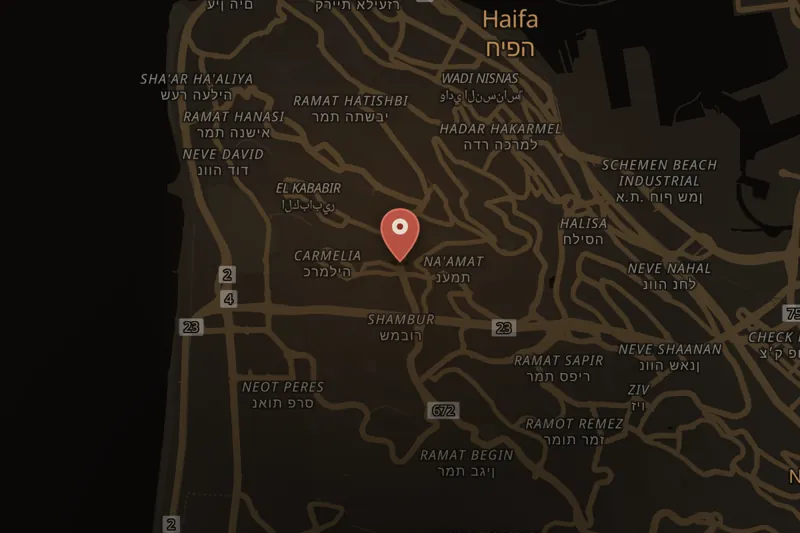
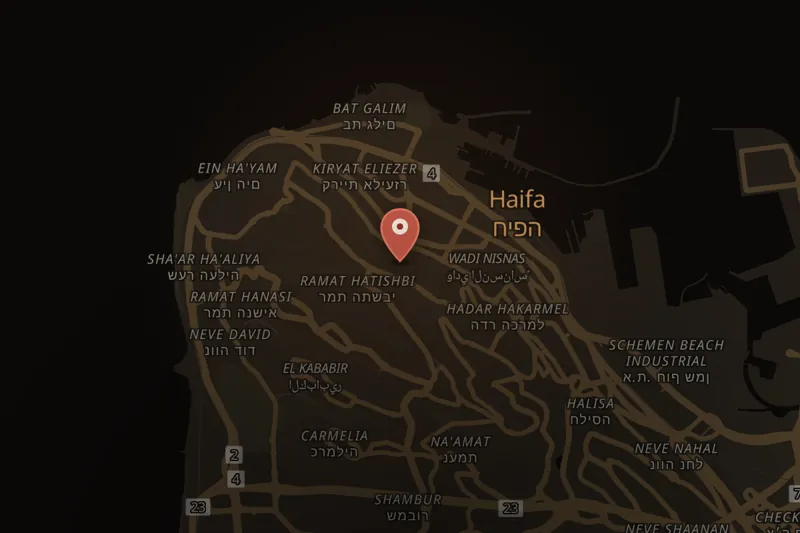
On 5 March 2003, a suicide bombing occurred on an Egged bus in Haifa, Israel, carried out by Hamas. The bus, identified as route 37, was traveling from the Bat Galim neighborhood toward the University of Haifa and was carrying many children, teenagers, and commuters, including university students, when the bomber detonated an explosive device hidden beneath his clothing. The bus exploded as it was pulling out of a station on Moriyah Street, a main traffic artery near the Carmeliya neighborhood. The attack killed 17 people and wounded 53. Police said the bomb was packed with metal shrapnel to maximize injuries. Many of the victims were university students from the nearby University of Haifa.
The bomber was identified as Mahmoud Umdan Salim Qawasmeh, a 20-year-old student at the Palestine Polytechnic University who traveled from Hebron to carry out the attack. Following the bombing, spokesmen for Hamas and Islamic Jihad praised the attack. Hamas spokesman Abd al-Aziz Rantisi stated that the group would not stop its "resistance" and would not give up "in the face of the daily killing of Palestinians." In response, Israeli forces used helicopters to kill Hamas leader Ibrahim al-Makadmeh along with three of his bodyguards.
In connection with the planning of the attack, an Israeli Arab resident of Haifa was tried and sentenced to life imprisonment for his role. Additional individuals were convicted for planning the bombing: Maedh Waal Taleb Abu Sharakh, who received 19 life sentences; Majdi Muhammad Ahmed Amr, who also received 19 life sentences; and Fadi Muhammad Ibrahim al-Jaaba, who received 18 life sentences. On 18 October 2011, these three men were released from Israeli custody as part of the Gilad Shalit prisoner exchange, a deal in which Israel released Palestinian and Israeli Arab prisoners in return for the captured Israeli soldier Gilad Shalit.


 SOLVEDListen