Casepin
Back to cases

Case file

Herrin massacre

SOLVED1922Herrin, Illinois, United States3 SOURCESUPDATED JUL 2026
Illustrative

The Herrin massacre took place on June 21–22, 1922, near Herrin, Illinois, during a nationwide strike by the United Mine Workers of America (UMWA). W. J. Lester, owner of the Southern Illinois Coal Company, had initially agreed to observe the strike but later hired non-union strikebreakers and mine guards to keep his strip mine operating after coal prices rose. Lester shipped out coal on June 16, 1922, angering local UMWA members.

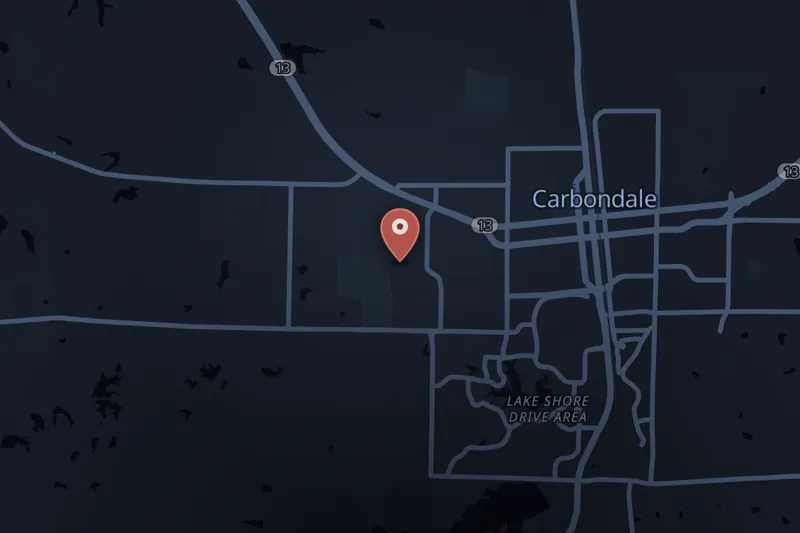
Tensions escalated after UMWA president John L. Lewis publicly labeled the strikebreakers' union an "outlaw organization," a statement that was widely publicized and read to an angry crowd of miners at a rally in Herrin cemetery on June 21. A truck carrying guards and strikebreakers was ambushed that morning near Carbondale, Illinois. Later that day, several hundred armed union miners surrounded Lester's mine; Lester's guards opened fire, killing two union miners and mortally wounding a third.

Efforts to negotiate a truce, involving National Guard Colonel Hunter, local citizens, and UMWA sub-district vice president Fox Hughes, collapsed amid miscommunication, cut phone lines, and the local sheriff's delays. Overnight, union supporters continued gathering arms and besieging the mine. On the morning of June 22, the roughly 50 strikebreakers, guards, and superintendent C.K. McDowell surrendered after being told they would be escorted out of the county. Instead, the group was marched toward Herrin and subjected to escalating violence. McDowell was shot and killed. Other captives were killed while being marched through the woods and near Herrin Cemetery, where a crowd of about 1,000 witnessed the violence. In total, 19 of the 50 strikebreakers were killed during the massacre, and a 20th died later from his injuries, along with the three union miners killed on June 21 — 23 deaths overall.

A coroner's inquest initially found that the strikebreakers' deaths were tied to the actions of Southern Illinois Coal Company officials, and a Williamson County grand jury faulted the company for bringing in strikebreakers and armed guards and for illegal conduct such as closing public highways, while also criticizing the state for failing to intervene. Only six men were indicted. Two trials — the first beginning November 7, 1922, and the second in the winter of 1923 — ended in acquittals for all defendants, and remaining charges were dropped. One of the initially indicted men, Otis Clark, was later shot and killed by an unidentified assailant; another died in a mine accident.

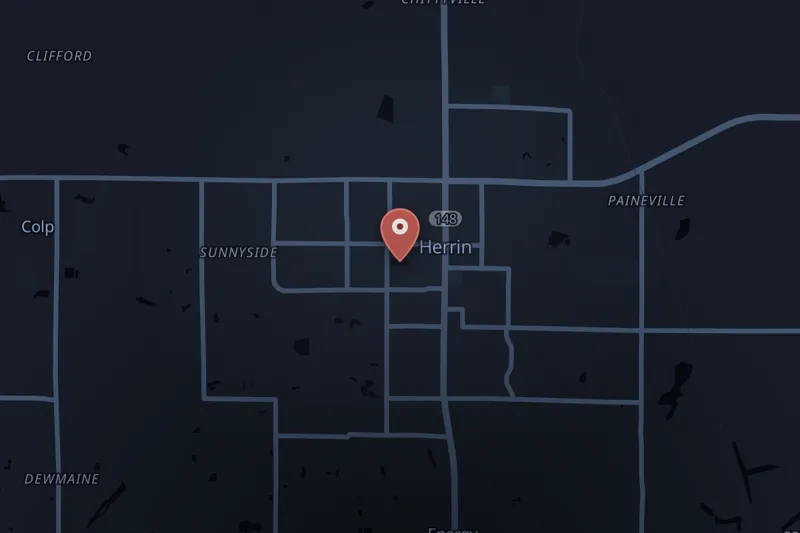
Sixteen victims were buried in unmarked graves in the potter's field section of Herrin City Cemetery in June 1925, with a seventeenth victim buried there in October 1922. The exact burial locations were lost for decades until a research team led by Eastern Illinois University geologist Steven Di Naso and historian Scott Doody identified the missing graves between November 2013 and October 2015. A memorial monument was erected at the site in June 2015.

Key facts

Victims
C.K. McDowell, Bernard Jones
Date
1922
Location
Herrin, Illinois, United States
Case status
solved

Case timeline

  1. 1922-04-01

    The United Mine Workers of America (UMWA) begins a nationwide strike.

  2. 1922-06-16

    Mine owner W. J. Lester ships out sixteen railroad cars of coal, violating his earlier agreement with the union.

  3. 1922-06-20

    UMWA president John L. Lewis sends a telegram calling the Steam Shovelmen's Union an 'outlaw organization,' escalating tensions.

  4. 1922-06-21

    A truck of strikebreakers is ambushed near Carbondale; union miners rally, arm themselves, and besiege Lester's mine; guards kill two union miners and mortally wound a third.

  5. 1922-06-22

    Strikebreakers and superintendent McDowell surrender and are marched toward Herrin; McDowell and 19 strikebreakers are killed in the ensuing violence, including a group beaten and shot at Herrin Cemetery.

  6. 1922-10

    A 20th strikebreaker victim dies from injuries suffered during the massacre, bringing the death toll to 23.

  7. 1922-11-07

    The first trial related to the massacre begins.

  8. 1923

    A second trial is held; all defendants in both trials are acquitted.

  9. 2013-11

    A research team led by Steven Di Naso and Scott Doody begins locating missing graves of massacre victims.

  10. 2015-06

    A monument memorializing the 17 massacre victims buried at Herrin City Cemetery is erected.

  11. 2015-10

    The research team completes identification of the last eight graves of massacre victims.

  12. 2015-11

    The city announces it will end further excavations related to the Herrin massacre project.

Best coverage

No approved coverage links are attached yet.

People

  • C.K. McDowell

    VICTIM

    Mine superintendent killed during the massacre on June 22, 1922.

  • Bernard Jones

    VICTIM

    Mine guard who negotiated the strikebreakers' surrender; among the group taken during the massacre.

  • Otis Clark

    ACQUITTED

    First man tried on 214 charges related to the massacre; acquitted, and later shot and killed by an unknown assailant.

Roles reflect public records and court outcomes at the time of writing — supporting citations are on file under Sources.

Places

Common questions

What happened to the victim?
In June 1922, during a nationwide coal strike, union miners in Herrin, Illinois, killed the mine superintendent and 19 non-union strikebreakers after a siege at a strip mine; three union miners also died in the initial gunfire. Only six men were ever indicted, and all were acquitted.
Where did the massacre happen?
Herrin, Illinois, United States.
What is the current status of the case?
Status: solved.

Sources

  1. Herrin massacrewikipedia · Wikipedia · 2026-07-07
  2. Herrin massacre memorialized with monumentnews · thesouthern.com · 2026-07-07
  3. The Herrin Massacre — Paul Cadmus paintingnews · artandsocialissues.cmaohio.org · 2026-07-07