Casepin
Back to cases

Active case

Lynching of Cleo Wright

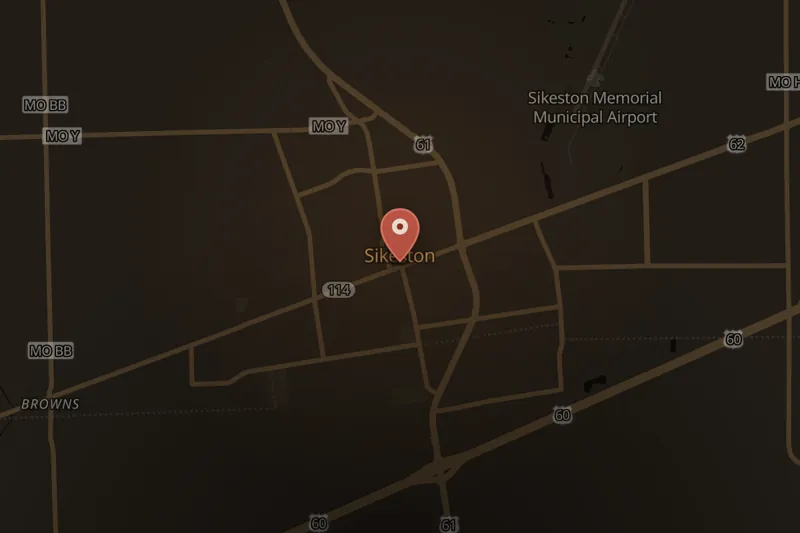
UNSOLVED1942Sikeston, Missouri, United States3 SOURCESUPDATED JUL 2026

Documents violence · sexual violence · torture — written to inform, not to shock.

Illustrative

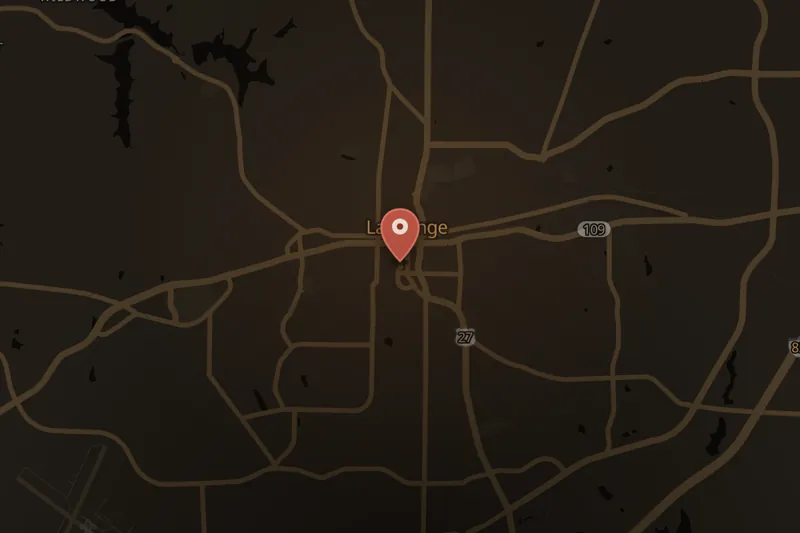
Cleo Wright, born Ricelor Cleodas Watson on June 16, 1916, was an African-American man from Pine Bluff, Arkansas, working in Sikeston, Missouri's cotton economy. He had briefly served in the Navy, was known locally as a petty thief, but was generally well-liked, and was newly married to Ardella Wright, who was pregnant with their first child.

On January 25, 1942, at around 1:00 a.m., a Black man entered the home of a white woman, Grace Sturgeon, and slashed her abdomen after she resisted; the assailant fled after being startled. Sturgeon survived but could not positively identify her attacker. About thirty minutes later, Cleo Wright was found walking over a mile away by a neighbor, Jesse Whittley, and Night Marshall Hess Perrigan, carrying a bloodied knife. Wright said the blood came from a fight with other Black men. He resisted arrest and was beaten with a revolver and flashlight by Perrigan. During transport, Wright stabbed Perrigan in the face with a hidden knife, and Perrigan shot Wright four times.

Rumors spread rapidly among white residents that Wright was the assailant and had intended to rape Sturgeon. Wright was taken to a whites-only hospital, where he received minimal care without anesthetic despite gunshot wounds, a broken arm, and head injuries. He was later moved to a holding cell at Sikeston City Hall, where an unknown person reportedly gave him a large quantity of whiskey.

At 11:35 a.m., a white mob of roughly 700 people gathered at City Hall, overwhelmed police, and dragged the unconscious Wright behind a stolen car for several blocks to the Sunset Addition, Sikeston's historic Black neighborhood. There, in view of the congregations of First Baptist Church and Smith Chapel during Sunday services, Wright—stripped nude by the dragging—was doused with gasoline and burned to death.

Wright's remains were taken by dump truck to the potter's field of Carpenter Cemetery. Nearly 100 Black residents fled Sikeston permanently, while others armed themselves to guard the Sunset Addition and later formed an NAACP chapter. The NAACP organized a mass rally in St. Louis attended by thousands, and Congressman Arthur Wergs Mitchell urged President Roosevelt to condemn the violence.

The lynching, the first in the U.S. after the attack on Pearl Harbor, prompted Attorney General Francis Biddle to direct the FBI to investigate in February 1942 after learning the killing had been used in Japanese wartime propaganda. Despite extensive documentation of 20 named lynchers, an all-white grand jury declined to indict, and no federal anti-lynching law existed to support stronger charges. Decades later, commemorative events in 2022 and a 2024 documentary/podcast series revisited the case's legacy in Sikeston.

Key facts

Victims
Cleo Wright, Grace Sturgeon
Date
1942
Location
Sikeston, Missouri, United States
Case status
unsolved

Case timeline

  1. 1916-06-16

    Cleo Wright (born Ricelor Cleodas Watson) is born in the Pine Bluff, Arkansas area.

  2. 1936

    Wright leaves the Navy after a brief period of service.

  3. 1942-01-25

    Grace Sturgeon is attacked and slashed in her Sikeston home around 1:00 a.m.; Cleo Wright is found nearby, arrested, beaten, and shoots officer Hess Perrigan after stabbing him; Wright is shot four times by Perrigan.

  4. 1942-01-25

    Wright receives minimal medical care at a whites-only hospital and is later moved to a holding cell at Sikeston City Hall.

  5. 1942-01-25

    A white mob of about 700 people drags Wright from his cell and burns him alive in the Sunset Addition neighborhood in the early afternoon.

  6. 1942-02-01

    The NAACP holds a mass rally of thousands in St. Louis calling for prosecution of the lynchers and a federal anti-lynching law.

  7. 1942-02-10

    Attorney General Francis Biddle requests an FBI investigation into the lynching, citing its exploitation in Japanese wartime propaganda.

  8. 2022-01

    A memorial service is held in Sikeston marking 80 years since the lynching.

  9. 2022-06

    A commemorative soil collection ceremony, attended by a descendant of Wright, is held by the Equal Justice Initiative.

  10. 2024

    KFF Health News and Retro Report release the documentary and podcast series Silence in Sikeston, addressing the lynching and its legacy.

Best coverage

No approved coverage links are attached yet.

People

  • Cleo Wright

    VICTIM

    26-year-old African-American cotton mill worker dragged from a jail cell and burned alive by a white mob in Sikeston, Missouri, on January 25, 1942.

    citation on file

  • Hess Perrigan

    LAW ENFORCEMENT

    Night Marshall who arrested and beat Cleo Wright, was stabbed in the face by Wright, and then shot Wright four times.

    citation on file

  • Grace Sturgeon

    VICTIM

    White woman assaulted and stabbed in her home; she survived and never positively identified an assailant.

    citation on file

Places

Common questions

What happened to the victim?
Cleo Wright, a 26-year-old Black cotton mill worker, was shot by police, denied adequate medical care, and then dragged from a Sikeston, Missouri jail cell by a white mob and burned alive on January 25, 1942, sparking the first federal civil rights investigation into a lynching.
Where did the crime happen?
Sikeston, Missouri, United States.
What is the current status of the case?
Status: unsolved. Last verified July 2026.

Sources

  1. Lynching of Cleo Wrightwikipedia · Wikipedia · 2026-07-07
  2. Contemporaneous coverage — The New York Timesnews · The New York Times · 2026-07-07
  3. Contemporaneous coverage — NPRnews · NPR · 2026-07-07

Last verified JUL 2026