Skip to content
Casepin

Solved case · 1947

Lynching of Willie Earle

Also known as Willie Earle's murder · Willie Earle's lynching

SOLVEDACQUITTED
Updated
Updated Jul 7, 2026
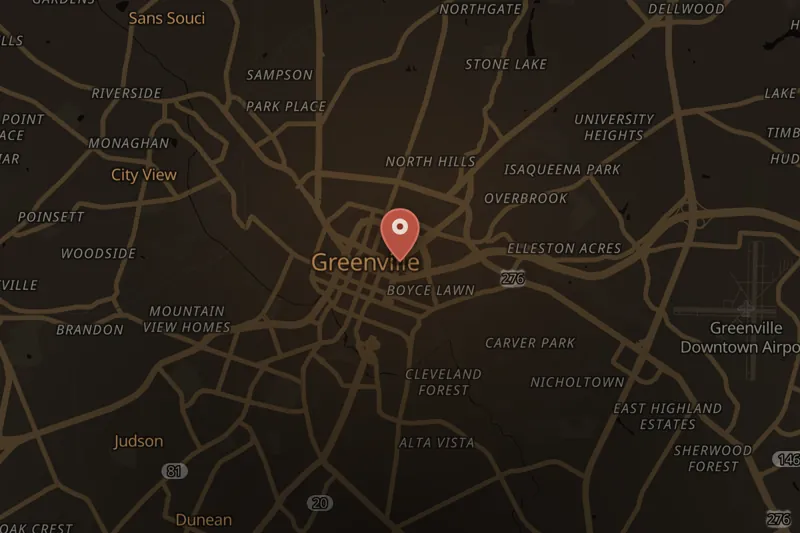
Greenville, South CarolinaView on the map

The short answer

Lynching of Willie Earle in brief

Willie Earle, a 24-year-old Black man, was taken from a South Carolina jail cell by a mob of taxi drivers on February 16, 1947, and beaten, stabbed, and shot to death near Greenville. Thirty-one white men were charged in the killing, but all were acquitted at trial.

Key facts

Year
1947
Place
Greenville, South Carolina
Status
SOLVEDSolved
Victims
Willie Earle and Thomas Watson Brown
Outcome
Acquitted: Roosevelt Carlos Hurd

The coverage index

Where to watch & listen

No one's coverage is attached to this file yet.

Know great coverage of this case?

A documentary, a podcast episode, a careful long-form video. Suggest it and an editor will review it before it appears here.

Suggest coverage for Lynching of Willie Earle

The case file

What happened

On February 15, 1947, a Greenville, South Carolina cab driver named Thomas Watson Brown was robbed and stabbed to death in Pickens County. Based on circumstantial evidence, Willie Earle, a 24-year-old Black man, was charged in the attack. He was arrested the next day at his mother's house and taken to the county jail.

On the evening of February 16, 1947, a convoy of taxi drivers drove to the jail and forcibly procured Earle's release. The jailer, J. Ed Gilstrap, later said he turned Earle over to the mob because they had guns. The mob then beat, stabbed, and shot Earle to death. This killing is considered the last lynching to occur in South Carolina, although the 1978 killing of Betty Gardner by four white people has also been described by some as a lynching.

Newly elected Governor Strom Thurmond condemned the murder and directed state police to work with the FBI on the investigation. He also summoned Solicitor Robert T. Ashmore, described as the state's foremost prosecutor, to try the case. More than 150 suspects were questioned, and 31 people — all but three of them taxi drivers — were charged with the crime. Many of the men signed confessions, and some implicated Roosevelt Carlos Hurd as the mob's leader and as the person who killed Earle with a shotgun.

The trial opened in the Greenville County Courthouse on May 5, 1947, presided over by Judge J. Robert Martin. Martin dismissed charges against three defendants for lack of evidence and reduced the charges against seven others to being accessories before the fact to murder, leaving 21 defendants on trial for murder before an all-white, all-male jury of 12. The trial drew significant national and international press attention, including coverage by Rebecca West for The New Yorker and by Life Magazine. Defense attorneys John Bolt Culbertson and Thomas A. Wofford represented the defendants; Culbertson told the courtroom "Willie Earle is dead and I wish more like him was dead," while Wofford criticized law enforcement's handling of the case. The defense called no witnesses. After deliberating five hours and 13 minutes, the jury returned a verdict of not guilty on all counts on May 21, 1947.

The New York Times editorialized on May 23, 1947, that despite the acquittals, "a precedent has been set" regarding public scrutiny of lynching. In 1950, NAACP lawyers, citing an 1895 provision of the South Carolina constitution assigning financial responsibility for lynchings, won a $3,000 settlement from Greenville County on behalf of Earle's family. That same year, state representative Fritz Hollings wrote an anti-lynching bill, signed into law, making lynching punishable by death. No further lynchings were recorded in South Carolina afterward.

6 dated entries · 1947–1950

Timeline

  1. Greenville cab driver Thomas Watson Brown is robbed and stabbed to death in Pickens County, South Carolina.

  2. Willie Earle is arrested at his mother's house and taken to the county jail; that evening a mob of taxi drivers forces the jailer to release Earle, then beats, stabs, and shoots him to death.

  3. Trial opens in Greenville County Courthouse before Judge J. Robert Martin; charges against three defendants are dismissed and seven others are reduced to accessory charges, leaving 21 on trial for murder.

  4. After deliberating five hours and 13 minutes, the jury acquits all defendants of all charges.

  5. The New York Times publishes an editorial on the verdict and its implications for future lynching prosecutions.

  6. NAACP lawyers win a $3,000 settlement from Greenville County on behalf of Earle's family under an 1895 state constitutional provision; South Carolina enacts an anti-lynching law making lynching punishable by death.

3 named in this file

People

Victims first. Every legal label is set from public records and court outcomes, not from the prose.

  • Thomas Watson Brown

    VICTIM

    Greenville cab driver robbed and stabbed to death on February 15, 1947; Earle was charged in connection with his death.[3]

  • Willie Earle

    VICTIM

    24-year-old Black man taken from jail and killed by a mob on February 16, 1947.[3]

  • Roosevelt Carlos Hurd

    ACQUITTED

    Named by fellow defendants' signed confessions as the leader of the taxi-driver mob that abducted Willie Earle from jail on 16 February 1947 and as the man who killed him with a shotgun; charged with murder along with 30 others (26 of whom gave statements admitting participation). Despite the confessions, an all-white jury in Greenville County acquitted all defendants, including Hurd, of all charges on 21 May 1947 after about five hours of deliberation, and the judge ordered them released. He was never convicted.[3]

3 cited

Sources

Coverage is not a source: every fact in this file rests on the records below.

  • 2 Press
  • 1 Encyclopedic
  1. Contemporaneous coverage — newyorker.com

    Pressnewyorker.comAccessed Jul 7, 2026

  2. Contemporaneous coverage — charlestoncitypaper.com

    Presscharlestoncitypaper.comAccessed Jul 7, 2026

  3. Lynching of Willie Earle

    EncyclopedicWikipediaAccessed Jul 7, 2026

Trust

Record history

First published
Jul 7, 2026
Last verified against sources
Jul 7, 2026
Corrections
None

Are you family of someone named in this file? Corrections and removal requests from victims’ families are prioritized.