Active case
Lynching of Norris Dendy

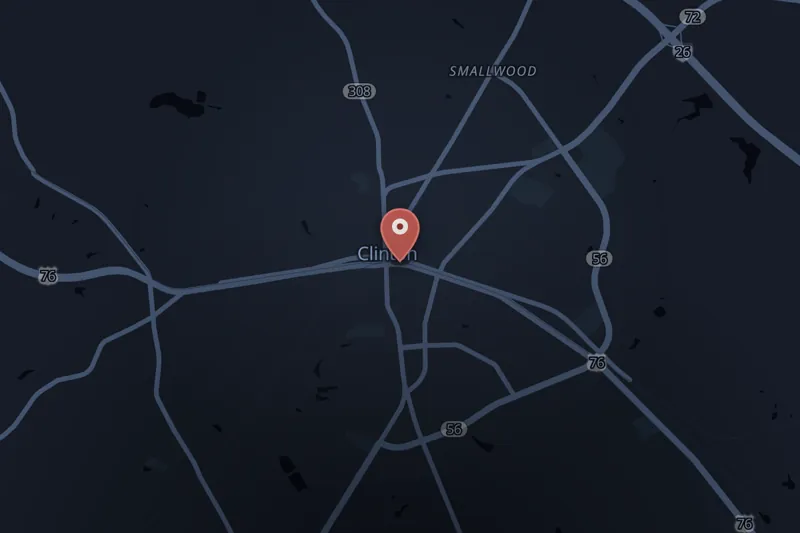
On the afternoon of July 4, 1933, Norris Dendy, an African-American man from Clinton, South Carolina, was involved in an argument with Marvin Lollis, a 22-year-old white truck driver, while both men were transporting picnickers to an Independence Day celebration at Lake Murray. The dispute, reportedly over the "merits of their respective trucks," turned physical when Dendy struck Lollis in the face, allegedly after being called a racial slur. Dendy was arrested shortly afterward for drunkenness, reckless driving, and resisting arrest, and was placed in the Clinton jail. Because his offense was not considered a capital crime, he received limited protection.
That night, a group of at least four white men — part of a larger mob of roughly one hundred people gathered outside the jail, including several Clinton police officers — broke into Dendy's cell using a wrench to remove the lock. They forced him into a car and left before any alarm was raised. Dendy's wife, Amanda, had gone to the jail shortly before to attempt to post bail; his mother, who accompanied her along with his children, was shot and wounded by the mob. The men beat Dendy and hanged him, causing a skull fracture that killed him, then transported his body about seven miles outside Clinton to the yard of Sardis Church, where sheriff's deputies found it roughly twelve hours later. An examination found bruising to his head, neck, and chin, and rope marks on his wrists and ankles consistent with binding.
South Carolina Governor Ibra Charles Blackwood classified Dendy's death as a murder rather than a lynching and dispatched two state constables, who left Clinton on July 11 without making arrests. Black witnesses to the jailbreak were reportedly threatened and intimidated, and some left the state. One witness, William Crawford, gave a deposition in Washington, D.C., in January 1934 after receiving threats. On February 19, 1934, five white men — Hubert Pitts, P. M. Pitts, Roy Pitts, J. Pitts Ray, and Marvin Lollis — were named in an indictment for Dendy's death, but the Laurens County grand jury did not reach a decision that day. In June 1934, despite testimony, affidavits, and a reported written confession by one of the men to state detectives, the grand jury returned no bill, attributing Dendy's death to an unknown party.
In December 1934, Dendy's father, Young Dendy, filed a $2,000 claim with the Laurens County board of commissioners, as was legally standard for proven lynching cases, but the claim was rejected on the recommendation of the county attorney. The NAACP announced plans to reopen the case in April 1935 following efforts by Norris's brother, Robert Dendy, who arranged for witnesses to testify safely in New York. No one was ever convicted in connection with Dendy's death. Suspected motives reported at the time included an unplanned escalation of violence and a premeditated attack possibly linked to resentment of the Dendy family's relative financial stability compared to some poorer white residents nearby.

Key facts
- Victims
- Norris Dendy
- Date
- 1924
- Location
- Clinton, South Carolina, United States
- Case status
- unsolved
Case timeline
1900-05
Norris Dendy is born in Laurens County, South Carolina, to Martha and Young Dendy.
1924-01-05
Dendy marries Amanda Faut.
1930-10-01
South Carolina Supreme Court reverses Dendy's earlier conviction related to buying and receiving stolen goods.
1933-07-04
Dendy strikes Marvin Lollis during an argument near Lake Murray and is arrested and jailed in Clinton, South Carolina.
1933-07-05
A mob breaks Dendy out of jail; he is beaten and hanged, and his body is later found in the yard of Sardis Church.
1933-07-11
State constables leave Clinton without making any arrests in the case.
1934-01
Witness William Crawford gives a deposition in Washington, D.C., after threats of violence.
1934-02-17
Witnesses give testimony to a jury identifying men allegedly involved in Dendy's killing.
1934-02-19
Five white men are named in an indictment for Dendy's death.
1934-06
Laurens County grand jury fails to indict any of the five men, returning no bill.
1934-12
Young Dendy files a $2,000 lynching-victim claim with the Laurens County board of commissioners; the claim is later rejected.
1935-04
The NAACP announces plans to reopen the case following efforts by Norris Dendy's brother, Robert Dendy.
Best coverage
No approved coverage links are attached yet.
People
Hubert Pitts
CHARGEDNamed in a February 1934 indictment for Dendy's death; not indicted by grand jury.
J. Pitts Ray
CHARGEDNamed in a February 1934 indictment for Dendy's death; not indicted by grand jury.
P. M. Pitts
CHARGEDNamed in a February 1934 indictment for Dendy's death; not indicted by grand jury.
Norris Dendy
VICTIMAfrican-American man taken from jail and lynched by a mob in Clinton, South Carolina, in July 1933.
Marvin Lollis
CHARGEDWhite truck driver involved in the initial altercation with Dendy; later named in a February 1934 indictment for Dendy's death, not indicted by grand jury.
Roy Pitts
CHARGEDNamed in a February 1934 indictment for Dendy's death; not indicted by grand jury.
Roles reflect public records and court outcomes at the time of writing — supporting citations are on file under Sources.
Archival records

archival location
Norris Dendy grave
Credit: PCN02WPS · CC BY-SA 4.0 · Source
Places
Common questions
- What happened to the victim?
- Norris Dendy, an African-American father of five, was taken from his jail cell in Clinton, South Carolina, by a mob of white men on the night of July 4–5, 1933, and beaten and hanged after a physical altercation with a white truck driver. Five men were later indicted but a grand jury declined to charge anyone.
- Where did the crime happen?
- Clinton, South Carolina, United States.
- What is the current status of the case?
- Status: unsolved.
Sources
- ENCYCLOPEDICLynching of Norris DendyWikipedia · 2026-07-07
- PRESSContemporaneous coverage — ancestryinstitution.comancestryinstitution.com · 2026-07-07
- PRESSContemporaneous coverage — search.worldcat.orgsearch.worldcat.org · 2026-07-07
Record history
- First published
- JUL 07, 2026