Irving "Ervie" Arthur (1903–1920) and Herman Arthur (1892–1920), Black sharecroppers and stepsons of tenant farmer Scott Arthur, were lynched—burned alive—at the Lamar County Fairgrounds in Paris, Texas, on July 6, 1920. Herman Arthur was a World War I veteran who had served in the U.S. Army's 537th Engineers Service Battalion in France.
According to accounts including a letter from an anonymous Paris resident forwarded to the NAACP's Acting Secretary James Weldon Johnson and published in newspapers such as the New York Age and Negro World, the Arthur brothers were accused of fatally shooting their landlord, John Henry Hodges (1859–1920), and his son, William M. Hodges (1886–1920), on July 2, 1920, after the Hodgeses had repeatedly confronted the family over labor demands and alleged debt, including throwing the family's belongings into the yard and threatening them at gunpoint. The letter states that when the Arthur family attempted to permanently leave the farm three days later, the Hodgeses returned and fired on them, and one of the Arthur sons retrieved a gun and returned fire, killing both men.
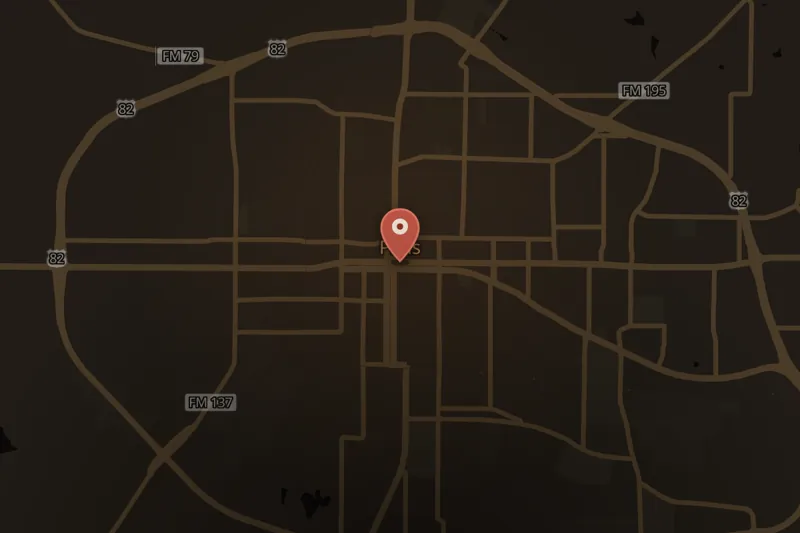
Herman and Ervie Arthur were arrested on the morning of July 6, 1920, in Valliant, Oklahoma, and transported to the Lamar County jail in Paris, arriving at 3 p.m. Notices reportedly advertised the impending lynching. That evening, a mob of several hundred broke into the jail; twelve men removed the brothers at 7:30 p.m. and took them to the fairgrounds, where they were burned alive at 8:00 p.m. before a crowd estimated at 3,000. Their remains were then dragged through the streets of a Black neighborhood in Paris for hours. Separately, according to the NAACP letter, the brothers' three sisters, ages 14, 17, and 20, who had been held at the jail, were beaten and reportedly raped by 20 white men before being released.
The NAACP sent a telegram of protest to Acting Governor Willard Arnold Johnson on July 8, 1920, urging action against mob members. A policeman identified as part of the mob was dismissed from the Paris Police Department. A special grand jury convened by Judge Ben H. Denton returned five indictments for first-degree murder on July 26, 1920. The cases were transferred to the Fifty-Ninth District Court in Sherman, Texas, under Judge Silas Hare, and all five defendants were acquitted; in one case a jury was instructed to acquit for lack of evidence connecting the defendant to the crime, and another case was "passed" without resolution.
The Arthur family fled Paris and settled largely in Chicago, where a widely circulated photograph of the family, arranged by the Chicago Defender, was published on September 4, 1920. In 2020, descendants of the Arthur and Hodges families held a joint remembrance ceremony in Paris on the 100th anniversary. Irving and Herman Arthur are memorialized at the National Memorial for Peace and Justice in Montgomery, Alabama.


 SOLVEDListen