In the spring of 1908, white farmers and fishermen in Fulton County, Kentucky, and in neighboring Lake and Obion counties in western Tennessee organized as "Night Riders" to oppose the West Tennessee Land Company, which had acquired much of Reelfoot Lake and planned to drain it for cotton cultivation. Local residents had long used the lake for fishing and resented its conversion to exclusively private use. Over subsequent months, Night Riders hanged, beat, and threatened residents, and this violence extended into attacks and lynchings targeting African Americans in the area, amid broader resistance to the expansion of the cotton economy and its reliance on Black sharecropper labor.
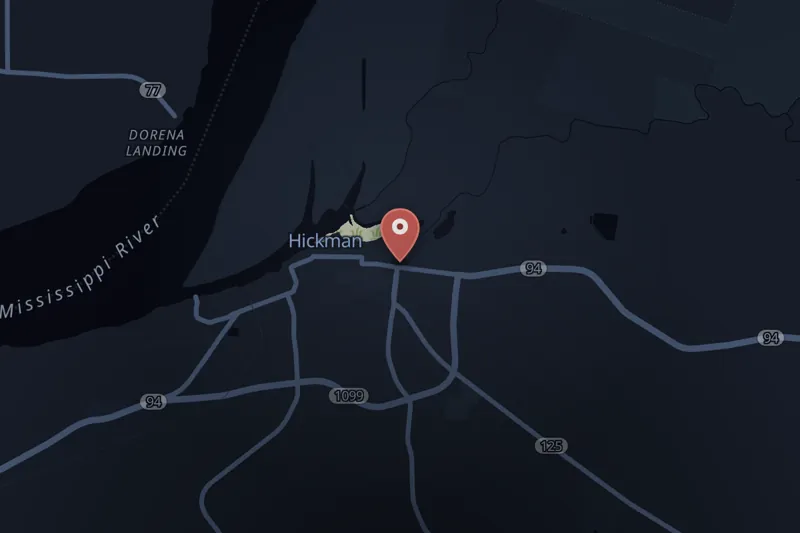
David Walker was an African American farmer who owned a 21.5-acre farm a few miles from Hickman, Kentucky, where he lived with his wife and their large family in a log cabin they had built. According to contemporary newspaper accounts, Night Riders claimed Walker had sworn at a white woman, a purported violation of Jim Crow social codes, and local papers described him as "surly" and disrespectful. On the night of October 3, 1908, a mob of about fifty masked Night Riders came to the Walker home and ordered him to come out. When he refused, the mob poured coal oil on the cabin and set it ablaze. Walker went outside pleading for his family's safety and was shot repeatedly. His wife came out next, holding an infant, and both were shot; three more children were killed as they emerged. Walker's eldest son reportedly stayed inside and died in the fire rather than face the mob. Sources differ on the exact death toll, with some accounts citing seven family members killed and others suggesting it may have been eight; a 2001 Associated Press report indicated that one or a few of the Walker children may have survived.
Kentucky Governor Augustus E. Willson publicly condemned the killings, stating that the involvement of roughly fifty men in the crime multiplied its wickedness and made every participant guilty of first-degree murder. He characterized the lynching as an outgrowth of the state's toleration of Night Rider violence and offered a $500 reward for the arrest and conviction of any participant, while also promising a pardon to anyone who killed a Night Rider in self-defense. No one was ever prosecuted for the killings of the Walker family. Following Walker's death, a neighboring landowner took over his farmland, later selling it to another white man.
Violence in the Reelfoot Lake region continued and escalated, culminating in the kidnapping of two white attorneys connected to the Land Company and the killing of one, Quentin Rankin. Tennessee Governor Malcolm Rice Patterson ordered in the state militia, and over 300 suspects were arrested; six men were convicted and sentenced to death for Rankin's killing, though the Tennessee Supreme Court later overturned the convictions. Tennessee subsequently acquired Reelfoot Lake, which became Reelfoot Lake State Park.

 Credit: Missouri Department of CorrectionsCC0SourceUNSOLVEDListen